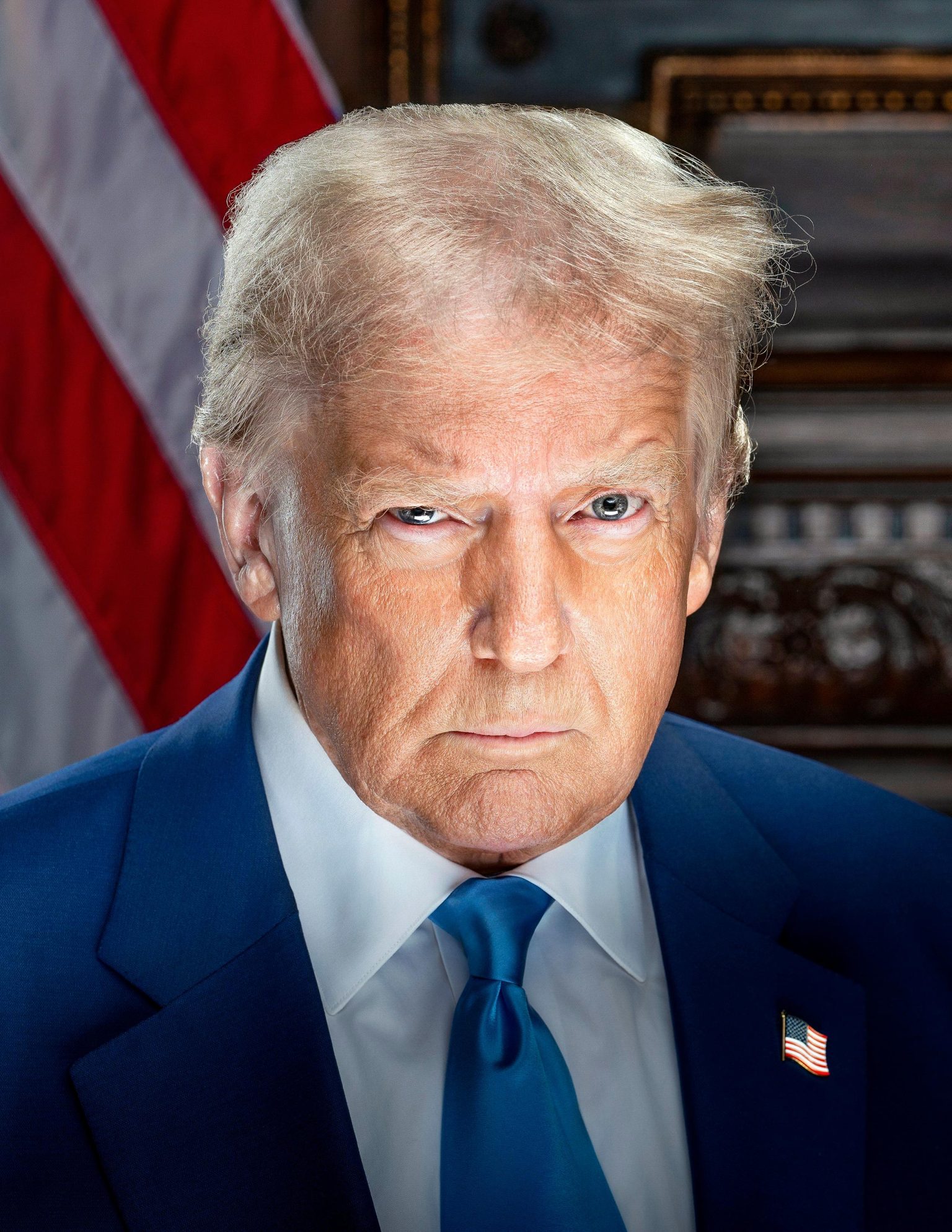
Brussels, 17 October, (Brussels Morning Newspaper) – US President Donald Trump’s decision to waive major new economic penalties targeting Russia has raised questions about transatlantic sanctions policy as European governments continue efforts to support Ukraine. The Russia sanctions waiver affects provisions designed to increase financial pressure on Moscow and countries purchasing Russian energy, placing renewed attention on differences between Washington’s approach and European Union policy.
Trump Halts Major Tariffs on Russian Energy Buyers
The executive order, signed on 16 October, suspends provisions of the Lindsey O. Graham Sanctioning Russia and Iran Act of 2026, which Trump signed into law on 18 September.
The legislation authorised substantial economic penalties, including a 500% additional tariff on Russian goods and 100% tariffs targeting the five largest importers of Russian oil and natural gas under specified conditions.
Those additional duties were due to apply from 18 October. Trump’s order waives their implementation alongside several sanctions provisions.
However, existing American sanctions imposed through earlier executive orders remain in force.
White House Cites US National Interests
The White House defended the decision using waiver powers contained in the legislation.
In the executive order, Trump certified to Congress that suspending the measures was:
“in the national interests of the United States.”
The administration also submitted a report explaining its decision, as required by law.
The order instructs the US Trade Representative and relevant government departments to monitor Russian energy purchases and potential sanctions evasion.
The administration retains authority to reconsider the exemptions.
European Leaders Reject Easing Pressure on Moscow
European leaders have reaffirmed their commitment to maintaining economic pressure on Russia, highlighting differences between Brussels and Washington.
Speaking ahead of European Council discussions on 16 October, European Commission President Ursula von der Leyen argued that Russia’s continued military operations justified stronger pressure rather than sanctions relief.
European Council President António Costa also emphasised the EU’s commitment to Ukraine.
Costa stated:
“This is no time to withdraw the support to Ukraine. This is no time to relieve Russia’s sanctions.”
His remarks concerned the broader American shift towards easing restrictions and preceded the latest executive order.
Why the Decision Matters for European Security
The American policy shift comes as the EU considers additional financial assistance for Ukraine and prepares further sanctions against Moscow.
European governments have sought to restrict Russia’s energy revenues since the full-scale invasion of Ukraine in February 2022.
The latest developments have renewed questions about coordination between the United States and its European allies.
For Brussels, maintaining sanctions effectiveness is closely connected to Ukraine’s defence, European security and the credibility of Western economic restrictions.
The decision also follows Washington’s separate move to ease restrictions on certain Russian diesel transactions amid concerns about global fuel prices.
What Happens Next for EU and US Sanctions?
The Russia sanctions waiver has no fixed expiry date. Under the executive order, the exemptions remain effective until the president or authorised officials determine that further action is appropriate.
American authorities must continue monitoring Russian energy transactions and potential sanctions evasion.
Meanwhile, European institutions are expected to continue discussions about additional restrictions on Moscow and financial support for Kyiv.
The immediate question for European policymakers is how to sustain economic pressure on Russia while Washington follows a different approach to energy-related sanctions.
The next decisions by both sides will be important for transatlantic coordination and Ukraine’s continuing defence against Russia’s invasion.