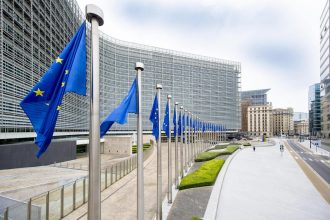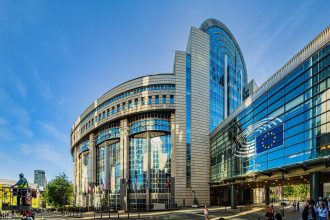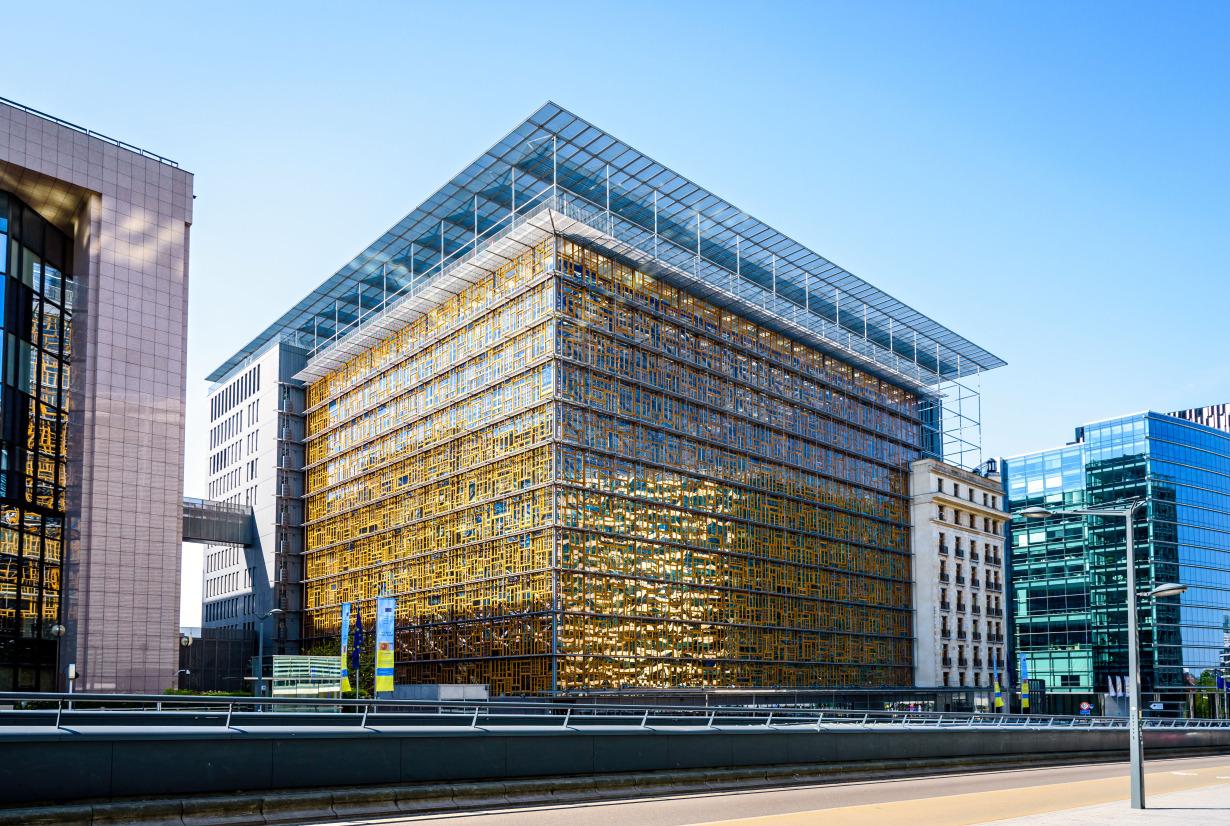
Brussels, 16 October, (Brussels Morning Newspaper) – European Union leaders have demanded urgent action to tackle rising EU energy prices following a high-level summit in Brussels on 15–16 October. The European Council called for coordinated measures to protect households, support struggling industries and strengthen Europe’s energy security as volatile international fuel markets continue to increase economic pressure.
The discussions highlighted growing concerns about the financial impact of expensive electricity, natural gas and diesel, particularly as European households prepare for winter.
European Council Demands Urgent Energy Relief Measures
EU leaders called on the European Commission to examine additional short-term measures to reduce energy costs, recognising that member states face different economic pressures.
According to the European Council’s official conclusions, the current situation requires a coordinated European response involving targeted and temporary assistance.
Leaders welcomed plans to extend temporary state aid arrangements for industries particularly exposed to high energy costs.
They also supported initiatives to improve refinery efficiency, encourage voluntary joint energy purchasing and strengthen energy supply security.
However, the summit did not introduce an immediate EU-wide reduction in household energy bills.
European Commission Warns of Severe Energy Cost Pressures
European Commission President Ursula von der Leyen warned that higher fossil fuel costs were placing considerable pressure on European households and businesses.
Speaking before the European Parliament ahead of the summit, she reported that gas prices had risen by 140% since the end of February, while diesel prices had doubled.
She estimated that Europe’s imported fossil fuel costs had increased by €100 billion without providing additional energy supplies.
Von der Leyen stated:
“We need to act now to protect those most in need.”
Her remarks reinforced the Commission’s position that immediate financial support must accompany structural reforms designed to reduce Europe’s exposure to volatile international markets.
EU Climate Policies Face Renewed Scrutiny
The energy debate has also intensified disagreements over the European Union’s emissions trading system.
Some member states have argued that carbon-related costs are adding pressure to industrial competitiveness and household budgets.
Others maintain that weakening emissions regulations could discourage investment in cleaner energy technologies.
European Council conclusions called for greater stability and predictability in carbon markets while maintaining incentives for decarbonisation.
Leaders also requested an updated assessment of the second emissions trading system, particularly its design and safeguards.
Rising Energy Costs Threaten European Industries
Persistently high EU energy prices are affecting energy-intensive industries, including manufacturing, chemicals and transport.
Businesses dependent on electricity, natural gas and diesel face higher operating costs, creating uncertainty over investment and production.
For households, increased energy expenses can reduce disposable income and place additional pressure on vulnerable consumers.
EU leaders emphasised that reducing dependence on imported fossil fuels remains essential to achieving lasting affordability.
They supported faster electrification, expanded renewable energy generation, improved electricity networks and greater energy efficiency.
What Happens Next After the Brussels Energy Summit?
The European Commission has been asked to assess further short-term interventions and introduce additional proposals where necessary.
The European Council also urged EU lawmakers to accelerate negotiations concerning the Market Stability Reserve, which is intended to help address excessive carbon price volatility.
Any additional financial support or regulatory changes will depend on future Commission proposals and decisions by the relevant European institutions.
For European consumers and businesses, the central question remains how quickly policymakers can translate the summit’s commitments into practical measures that ease energy costs while protecting long-term energy security.