Brussels, 15 October, (Brussels Morning Newspaper) – The EU-China trade dispute is placing renewed pressure on European policymakers as concerns grow over Chinese imports, industrial competition and the European Union’s substantial trade deficit with Beijing. European officials are examining how existing trade defence measures and negotiations could address market imbalances while protecting manufacturers and maintaining economic relations with China.
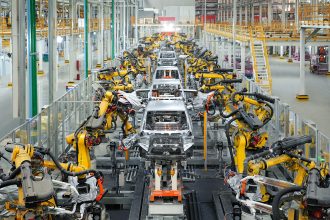
The issue has become increasingly important for Brussels as European industries face competition from Chinese manufacturers in sectors including steel, chemicals, machinery and automotive production.
Brussels Faces Growing Pressure Over Chinese Imports
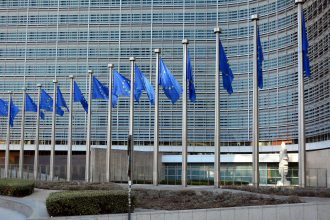
The European Commission has repeatedly identified market access, industrial subsidies and unfair trading practices as important challenges in its economic relationship with China.
European manufacturers have raised concerns that lower-priced imported products can make it difficult for domestic businesses to compete, particularly where foreign producers benefit from subsidies or other advantages.
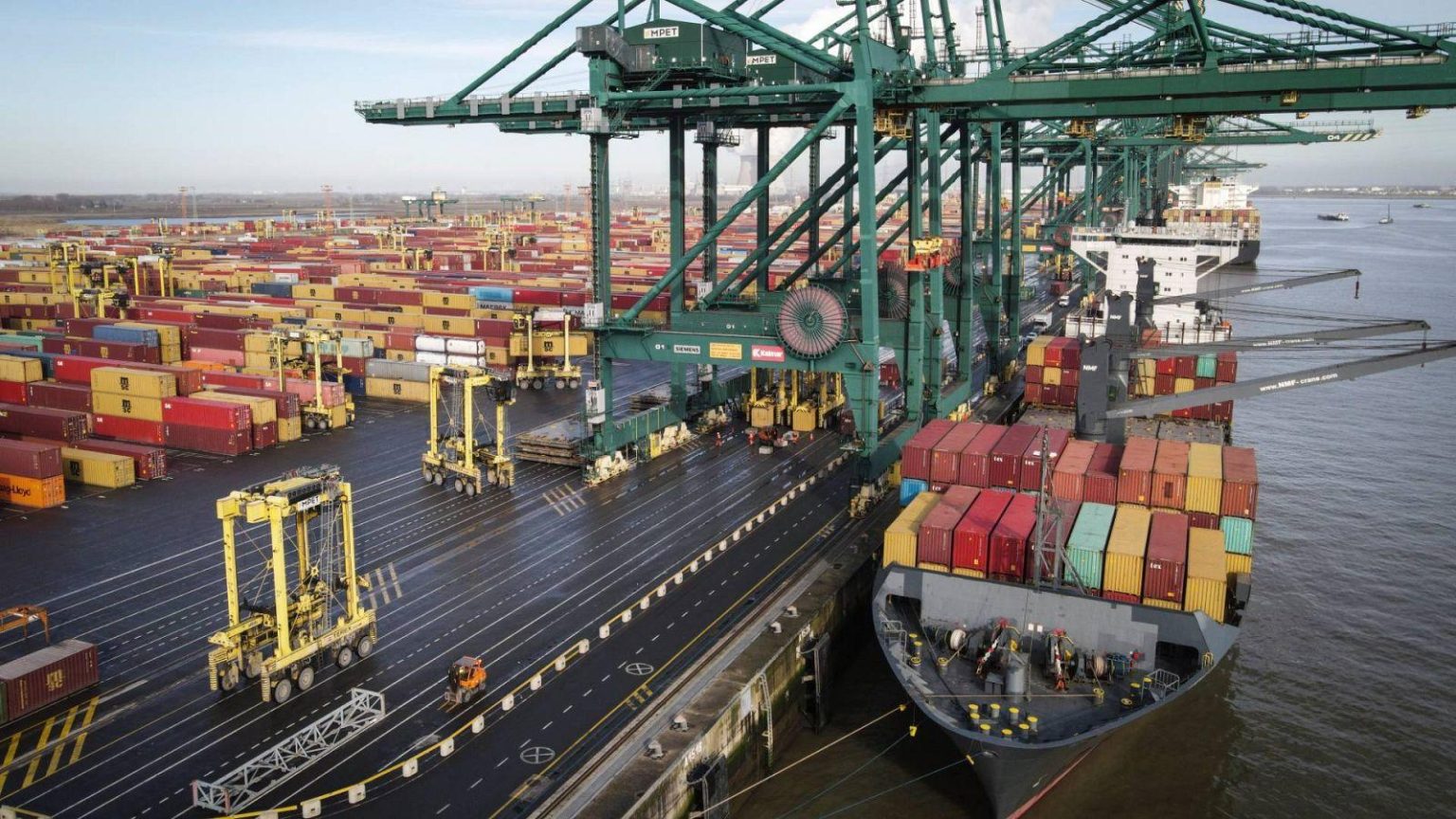
However, Chinese imports also support European supply chains, providing machinery, electronic components and manufactured goods used by businesses and consumers.
This creates a complex challenge for EU policymakers seeking to protect European industry without unnecessarily disrupting trade.
European Commission Strengthens Trade Defence Measures
The EU-China trade dispute has brought renewed attention to the European Commission’s ability to investigate imports suspected of being unfairly priced or subsidised.
Under EU trade defence rules, the Commission can introduce anti-dumping or countervailing duties when investigations establish the relevant legal conditions, including injury to European industry.
The European Union has previously introduced additional tariffs on certain Chinese battery electric vehicles following an anti-subsidy investigation.
These measures were designed to address the effects of subsidies identified by the Commission rather than prohibit Chinese vehicles from entering the European market.
Further action in other sectors would require appropriate legal procedures and supporting evidence.
Brussels Calls for Fairer Competition With China
The European Commission has consistently emphasised the importance of fair competition, reciprocal market access and a more balanced economic relationship with Beijing.
Its approach combines diplomatic engagement with trade enforcement instruments intended to protect European businesses from practices found to breach applicable trade rules.
Chinese authorities have opposed several European trade restrictions, arguing that protectionist measures could damage bilateral economic cooperation.
The competing positions underline the difficulty of reaching agreements that address European industrial concerns while maintaining access to one of the world’s largest markets.
Why EU-China Trade Relations Matter for Europe
China remains one of the European Union’s most important trading partners, supplying manufactured products and components used throughout the European economy.
The relationship also supports European exporters selling vehicles, machinery, chemicals and other products to Chinese customers.
For European manufacturers, increased import competition can affect pricing, investment decisions and employment.
For importers and consumers, additional duties may increase purchasing costs, depending on how businesses adjust their supply chains and prices.
The economic consequences therefore extend beyond individual industries to companies, workers and households across the European Union.
What Happens Next for EU-China Trade Negotiations?
European policymakers are expected to continue addressing market access, industrial competition and trade imbalances through negotiations and established EU trade procedures.
Any additional import duties would depend on the outcome of relevant investigations and decisions by the responsible European institutions.
Brussels must also consider the potential consequences of further restrictions for European exporters and businesses dependent on international supply chains.
The next phase of EU-China economic relations will depend on whether both sides can resolve outstanding disagreements while maintaining a stable framework for trade and investment.