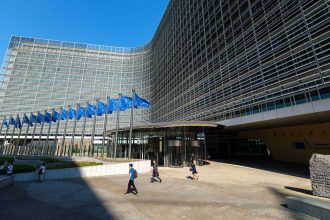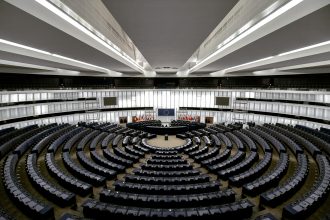
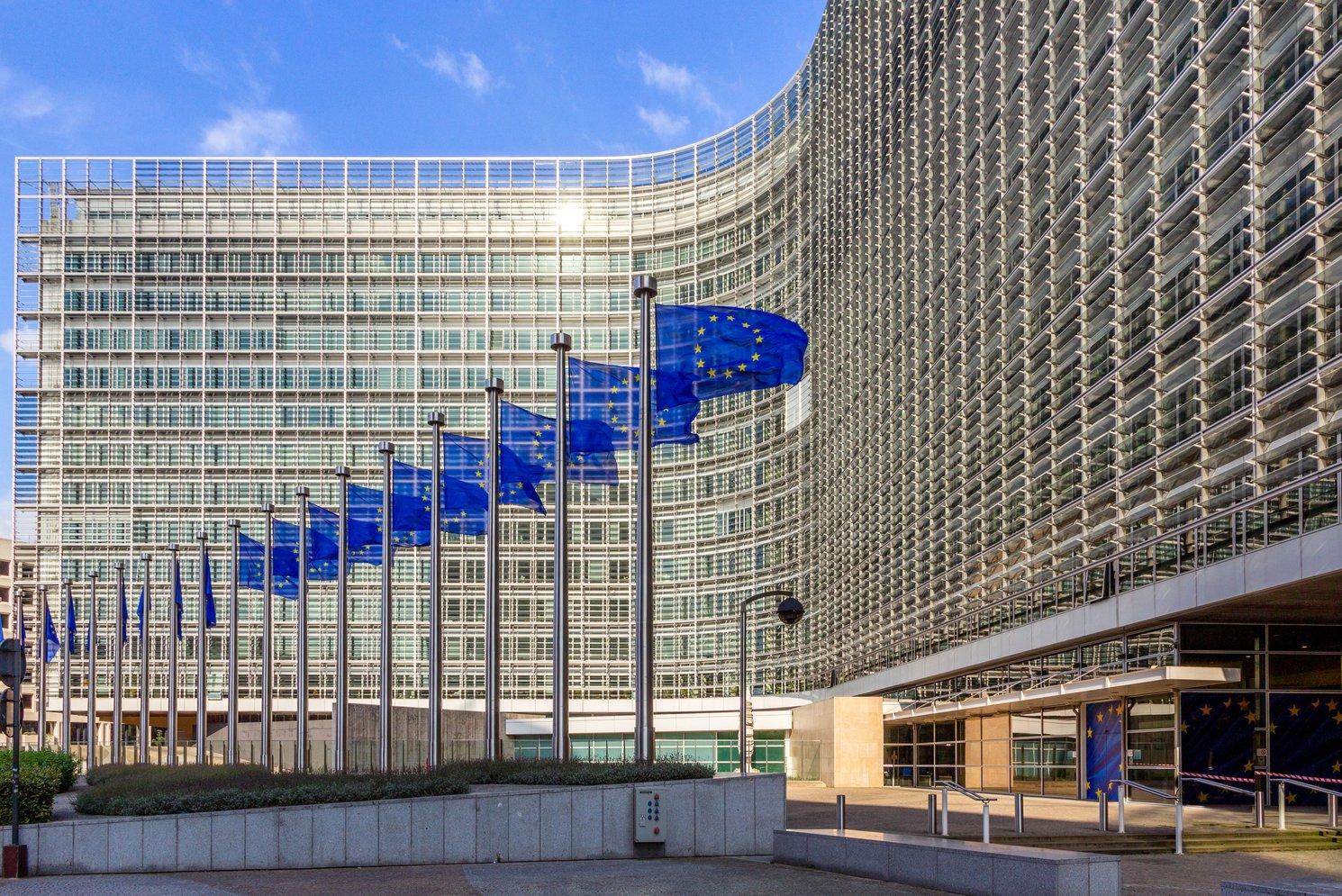
Brussels, 14 October, (Brussels Morning Newspaper) – European Union leaders are preparing to examine tougher trade measures against China amid growing concerns over Chinese exports, industrial competitiveness and manufacturing jobs. The EU-China trade relationship is under increasing pressure as France and Germany push for stronger protections ahead of the European Council summit in Brussels on 15–16 October.
The discussions follow mounting concern that Chinese manufacturing subsidies and rising imports could undermine European industries, particularly automotive production, chemicals and other manufacturing sectors.
According to Reuters, the EU’s trade deficit with China reached approximately €360 billion in 2025, highlighting the scale of the economic challenge facing European policymakers.
France and Germany Push for Stronger EU Trade Protection
France and Germany have jointly proposed strengthening the European Union’s ability to respond to unfair trading practices and economic pressure from overseas competitors.
Their proposals, reported by Reuters on 5 October, include faster anti-subsidy investigations, stronger industrial safeguards and a mechanism allowing Brussels to respond more quickly to damaging trade restrictions.
The initiative represents an important shift in Germany’s approach. Berlin has traditionally favoured maintaining extensive commercial relations with China, particularly because of the importance of Chinese markets to German manufacturers.
Both governments now recognise the need to address industrial vulnerabilities while maintaining access to international markets.
European Commission Examines Chinese Industrial Subsidies
The European Commission has already introduced trade defence measures targeting Chinese electric vehicles.
Following an anti-subsidy investigation completed in October 2024, Brussels imposed additional countervailing duties ranging from 7.8% to 35.3% on battery electric vehicles imported from China.
In January 2026, the Commission published guidance allowing Chinese exporters to propose minimum import prices as an alternative to certain duties.
The Commission subsequently accepted a price undertaking for the CUPRA Tavascan manufactured by Volkswagen Anhui, subject to import-volume and investment commitments.
These measures demonstrate how Brussels is combining trade restrictions with negotiated arrangements.
European Council President Highlights Economic Competitiveness
European Council President António Costa has placed economic competitiveness at the centre of the forthcoming summit.
In his official invitation letter dated 8 October, Costa stated:
“In a context of increasing geopolitical uncertainty, our next meeting will have a strong focus on the economy.”
The meeting will also address energy costs, the EU’s long-term budget and progress towards strengthening the single market.
Although the official agenda does not announce a new China-specific tariff decision, trade relations with Beijing are attracting significant political attention.
EU-China Trade Tensions Raise Concerns for European Industry
The European Union and China remain major trading partners, making further restrictions economically significant for both sides.
European manufacturers face competition from Chinese companies benefiting from extensive production capacity and established international supply chains.
At the same time, European businesses depend on Chinese components, raw materials and consumer markets.
Stronger import restrictions could protect certain domestic producers but may also increase costs for manufacturers and consumers.
The European automotive industry is particularly exposed because it must manage the transition towards electric vehicles while competing with Chinese manufacturers.
What Happens Next for EU Trade Policy?
EU leaders will meet in Brussels on 15–16 October to examine economic competitiveness and other strategic priorities.
Any new trade defence measures would require further consideration through the relevant EU institutions and legal procedures.
Negotiations with China are also continuing following preliminary discussions aimed at addressing automotive imports and wider market-access concerns.
The forthcoming summit will provide an opportunity for European leaders to clarify their economic priorities, although no additional tariffs have yet been formally approved.
The decisions taken in Brussels could influence how the European Union balances industrial protection, international trade and its long-term economic relationship with Beijing.