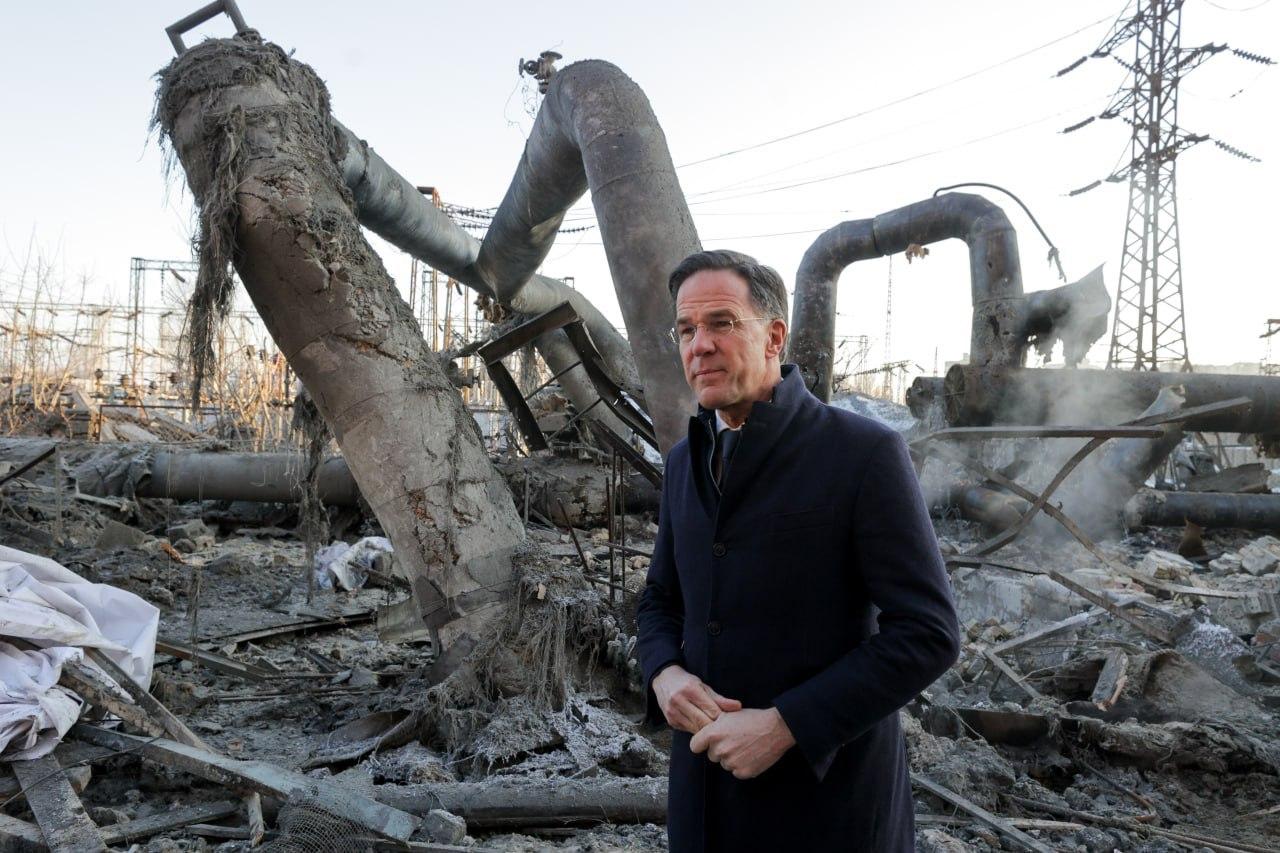
Kyiv, Ukraine, 12 October, (Brussels Morning Newspaper) – Russian power strikes have hit electricity infrastructure in Kyiv and Kharkiv despite US President Donald Trump’s announcement that Moscow and Kyiv had agreed to suspend attacks on each other’s energy facilities. Ukrainian President Volodymyr Zelenskyy confirmed the attacks on Sunday, 11 October, raising questions about whether the proposed ceasefire had been accepted by both countries.
The reported attacks disrupted electricity supplies in parts of the Ukrainian capital and damaged a major thermal power facility in Kharkiv. Russia had not publicly confirmed the agreement, while Ukrainian officials said they were awaiting further details from Washington.
Russian Attacks Hit Power Plants in Kyiv and Kharkiv
Ukrainian officials reported that a Russian Shahed-type drone struck a power plant in Kyiv, leaving several districts without electricity.
In Kharkiv, Russian forces targeted the CHP-5 thermal power plant. According to local officials cited by ABC News, the facility was struck at least twice, causing a fire.
Zelenskyy confirmed that the attacks occurred after Trump’s ceasefire announcement.
The incidents highlighted the continuing vulnerability of Ukraine’s electricity infrastructure as colder weather approaches and demand for heating increases.
Trump Announces Immediate Energy Ceasefire
On 11 October, Trump announced through his Truth Social platform that Russia and Ukraine had agreed to halt attacks on energy infrastructure.
The US president wrote:
“Effective immediately, there is an ENERGY CEASEFIRE in the War between Russia and Ukraine.”
He added that both parties had agreed and urged them not to violate the arrangement.
However, Washington provided no publicly confirmed implementation timetable, independent monitoring mechanism or enforcement arrangements.
The announcement surprised Ukrainian officials, while Moscow offered no immediate public confirmation.
Zelenskyy Responds to Continued Russian Attacks
Zelenskyy welcomed the possibility of protecting energy infrastructure but stressed that Russia must demonstrate its willingness to comply.
The Ukrainian president stated:
“Ukraine supports the ceasefire, and it is important that Russia support it as well.”
He also said Kyiv was awaiting details from the American administration.
Ukraine indicated that it was prepared to suspend attacks on Russian energy facilities if Moscow reciprocated.
Zelenskyy subsequently discussed the developments with European Commission President Ursula von der Leyen, Canadian Prime Minister Mark Carney, Finnish President Alexander Stubb and NATO Secretary General Mark Rutte.
European Leaders Raise Concerns Over Energy Security
The latest developments have renewed European concerns about the humanitarian consequences of Russia’s attacks on Ukrainian infrastructure.
France expressed support for a genuine halt to energy strikes, while European Commission President Ursula von der Leyen backed Ukraine’s calls for protecting critical facilities.
For Brussels, the situation carries wider implications for European security, economic stability and continued support for Ukraine.
Repeated attacks on electricity generation facilities threaten essential services and increase pressure on emergency repair operations.
Why Ukraine’s Energy Infrastructure Remains Vulnerable
Russia has repeatedly targeted Ukrainian electricity generation and distribution systems since launching its full-scale invasion in February 2022.
These attacks have disrupted heating, water supplies and industrial production, particularly during colder months.
Ukraine has also targeted Russian oil refineries and other energy installations, arguing that these facilities contribute to Moscow’s ability to sustain military operations.
The latest Russian power strikes underline the difficulties facing diplomatic efforts to establish reciprocal restrictions on attacks against civilian infrastructure.
What Happens Next for the Proposed Ceasefire?
Ukraine is awaiting clarification from Washington about the proposed agreement and its implementation.
The immediate diplomatic priority is determining whether Russia will formally accept the arrangement and whether both countries can establish credible monitoring procedures.
As of 12 October, the ceasefire’s operational status remained uncertain.
Without confirmed commitments and practical enforcement measures, Ukraine’s electricity infrastructure remains exposed to further attacks, leaving civilians and European governments awaiting clearer diplomatic developments.