Washington, 11 October, (Brussels Morning Newspaper) – The Trump-Zelenskyy clash has intensified after US President Donald Trump called for Ukraine to replace President Volodymyr Zelenskyy amid disagreements over Russian energy sanctions and efforts to end the war. The confrontation has raised fresh concerns among European allies about Washington’s approach to Moscow and the future of diplomatic negotiations.
Trump’s remarks followed an agreement with Russian President Vladimir Putin to allow additional Russian diesel supplies onto international markets. Zelenskyy criticised the arrangement, warning that increased energy revenue could strengthen Russia’s ability to continue its military campaign.
Trump Demands Leadership Change in Ukraine
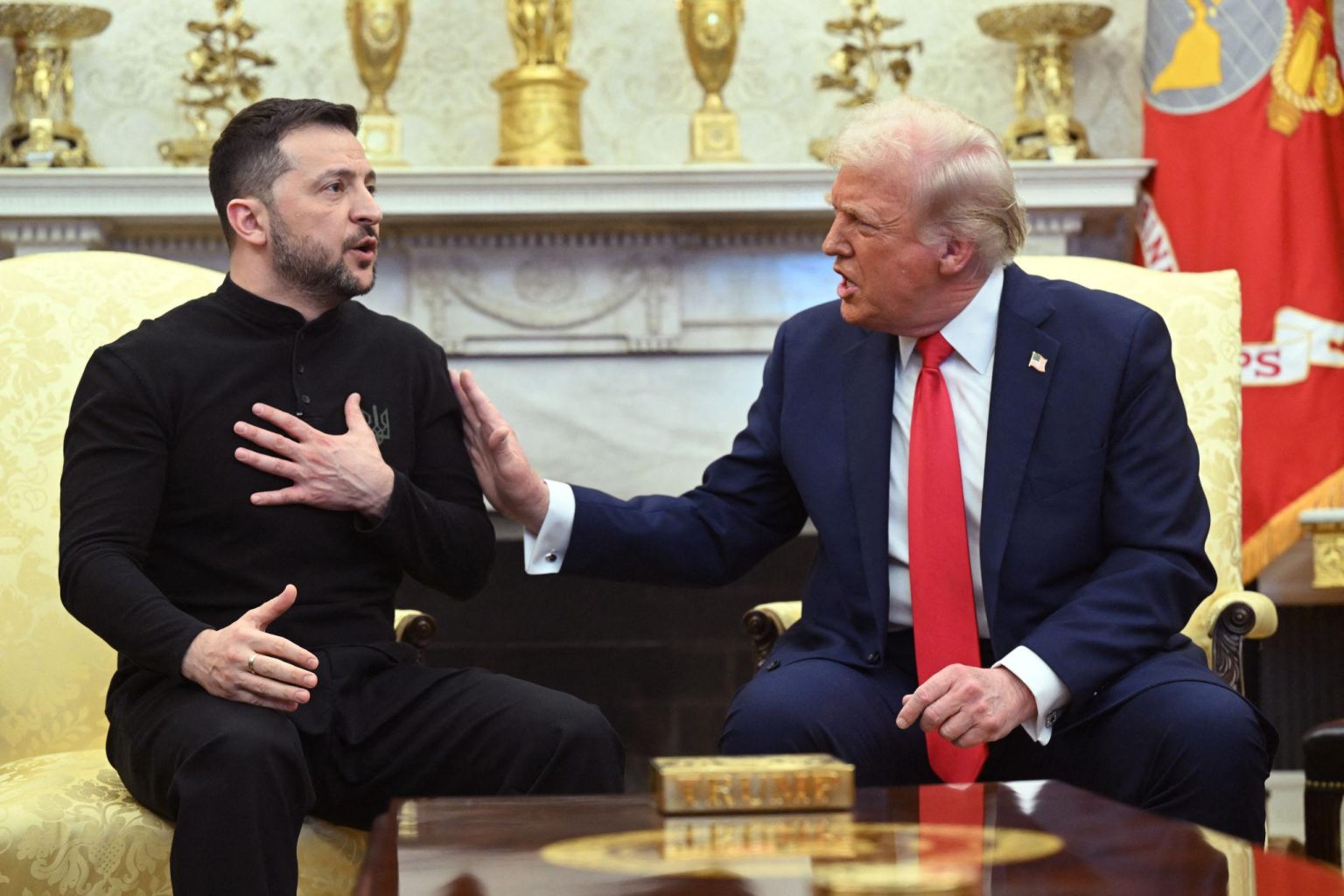
Speaking to reporters at the White House on Saturday, 10 October, Trump accused Zelenskyy of failing to reach an agreement with Russia and criticised Ukrainian strikes against Russian oil refineries.
Trump declared:
“I think it’s time for Ukraine to get a new president.”
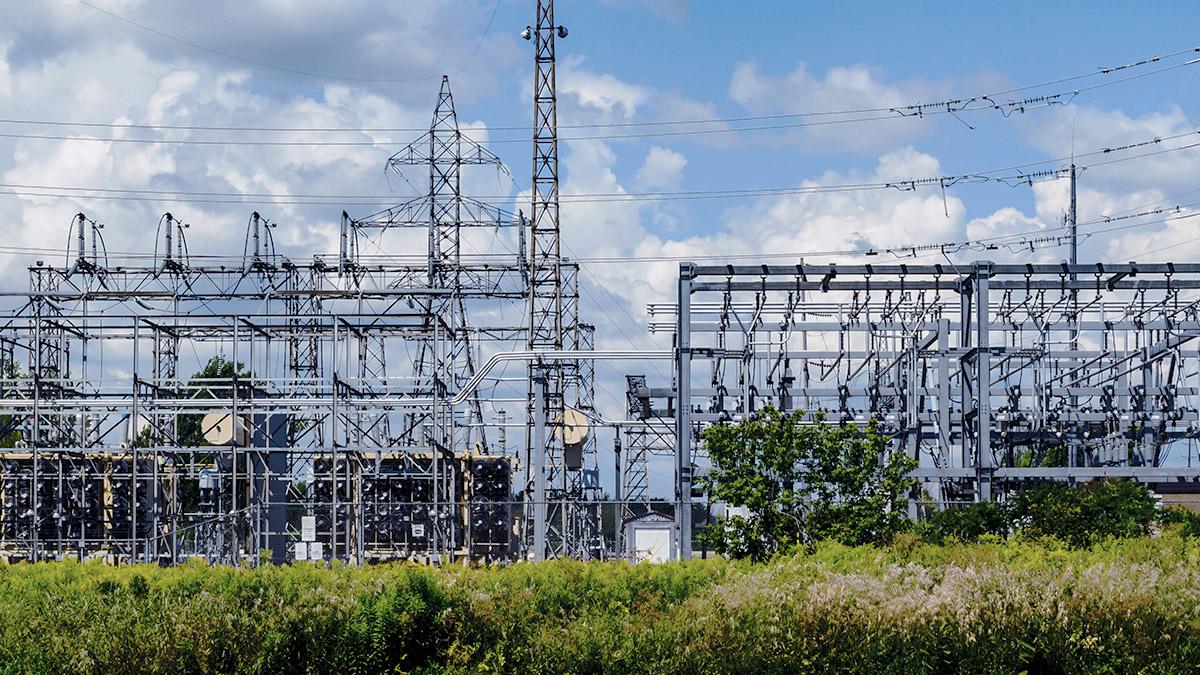
He argued that Ukrainian attacks on Russian energy infrastructure were contributing to international diesel shortages and increasing costs for American farmers and businesses.
The comments marked a significant deterioration in relations between Washington and Kyiv, despite earlier diplomatic efforts to improve cooperation.
Zelenskyy Offers Conditional Energy Ceasefire
Zelenskyy rejected the suggestion that Ukraine was responsible for prolonging the conflict and maintained that Russia’s invasion remained the fundamental cause of the war.
On Sunday, 11 October, the Ukrainian president indicated that Kyiv would suspend attacks on Russian oil refineries if Moscow stopped targeting Ukrainian energy infrastructure.
The proposal would require reciprocal action from Russia and credible guarantees.
According to Reuters, Zelenskyy also continued discussions with European leaders about additional air defence assistance and military supplies.
The announcement followed deadly Russian strikes on Zaporizhzhia, where Ukrainian authorities reported that the death toll had risen to 23, including four children.
Ukrainian Government Defends Zelenskyy
Ukraine’s Foreign Minister Andrii Sybiha publicly defended the president following Trump’s remarks.
In a statement reported by Reuters, Sybiha emphasised that Ukrainians themselves had the right to determine their political leadership.
He said:
“He has the support of the Ukrainian people, and they have the right to decide.”
The response highlighted Kyiv’s opposition to external pressure over its leadership while the country remains at war.
European Allies Raise Concerns Over Russian Sanctions
The dispute has also attracted attention across Europe, where governments have maintained economic restrictions designed to reduce Moscow’s ability to finance military operations.
European officials expressed concern that easing restrictions on Russian petroleum exports could weaken sanctions pressure.
The United Kingdom reaffirmed its support for Ukraine, while European leaders continued discussions about strengthening air defence assistance and maintaining economic measures against Russia.
For Brussels, the disagreement presents a diplomatic challenge as European institutions seek to preserve cooperation with Washington while supporting Ukraine’s sovereignty.
Ukraine War Background and Diplomatic Challenges
Russia launched its full-scale invasion of Ukraine in February 2022, triggering a prolonged conflict and extensive Western sanctions.
Ukraine has increasingly targeted Russian oil infrastructure, arguing that energy facilities contribute to Moscow’s war economy.
Washington’s latest diesel arrangement represents a departure from previous efforts to restrict Russian petroleum revenues, although the American administration argues that additional supplies are necessary to address rising fuel costs.
The Trump-Zelenskyy clash has therefore exposed competing priorities between energy affordability, sanctions enforcement and Ukraine’s military strategy.
What Happens Next for Ukraine Peace Negotiations?
Diplomatic attention is now focused on Zelenskyy’s conditional proposal to halt refinery attacks and whether Moscow will respond with equivalent restrictions on strikes against Ukrainian energy facilities.
No comprehensive ceasefire agreement has been announced.
European governments are expected to continue consultations with Kyiv and Washington over sanctions, security assistance and potential negotiating arrangements.
The outcome will depend on whether the parties can establish mutually acceptable conditions for reducing attacks while addressing the wider political and territorial disputes that continue to obstruct a lasting settlement.