Brussels, 10 October, (Brussels Morning Newspaper) – The European Union and China have reached a preliminary trade understanding that could reduce projected Chinese hybrid vehicle exports to Europe by more than half over four years, marking a significant development in negotiations aimed at easing trade tensions and protecting European manufacturing.
The agreement followed two days of negotiations in Beijing between European Commissioner for Trade and Economic Security Maroš Šefčovič and Chinese Commerce Minister Wang Wentao on 8 and 9 October. The talks also produced progress on European market access and supplies of critical raw materials.
Brussels Secures Major Progress on Chinese Hybrid Car Exports
Under the understanding, China would moderate exports of hybrid and plug-in hybrid vehicles to the European market.
Šefčovič said the arrangement could reduce projected shipments by more than half over four years compared with a scenario in which existing trade policies remain unchanged.
He estimated that several million vehicle exports could be avoided during that period.
However, the figure represents a comparison with projected future shipments rather than a confirmed reduction from current sales. Neither side has publicly detailed the mechanism for implementing the arrangement.
European Commission Welcomes Significant Trade Agreement
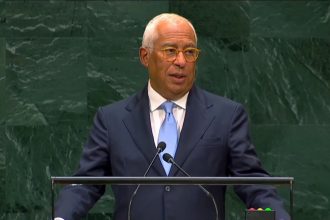
Speaking in Beijing following the negotiations, Šefčovič confirmed that both sides had reached an understanding on vehicle exports.
He stated:
“We have reached a shared understanding to moderate China’s export of hybrids and plug-in hybrids to the European Union.”
The Commissioner described the agreement as an initial step towards correcting trade imbalances between the two economies.
China’s Ministry of Commerce confirmed progress on hybrid vehicle trade and emphasised that the understanding should comply with World Trade Organisation rules.
Both sides acknowledged that further discussions would be required to resolve outstanding issues.
China Agrees to Improve European Market Access
The negotiations also addressed tariffs and restrictions affecting European exporters.
China agreed to improve access for European products, including automotive components, olive oil and footwear, representing almost €4 billion in existing export value.
According to Šefčovič, the tariff concessions could generate at least €225 million in savings.
Beijing also committed to facilitating export licences for rare earth materials and permanent magnets.
These materials are essential for European automotive manufacturing, renewable energy technologies and other advanced industries.
Why the Agreement Matters for European Carmakers
European manufacturers have faced increasing competition from Chinese automotive companies as imports of lower-priced vehicles have expanded.
In 2024, the EU introduced additional countervailing duties on battery electric vehicles manufactured in China following an investigation into subsidies.
Hybrid vehicles were outside the scope of those duties, making their growing presence in Europe an increasingly important trade issue.
The latest understanding could provide relief for European manufacturers, although its practical impact will depend on how the commitments are implemented.
For consumers, the consequences for vehicle prices and availability remain uncertain.
What Happens Next for EU-China Trade Relations?
European and Chinese officials are expected to continue negotiations on automotive trade, market access and critical raw materials.
Further engagement is expected by January 2027, with another round of trade consultations planned for March.
The European Commission will need to establish how the agreed measures can be implemented and assess their effectiveness.
For Brussels, the agreement represents progress towards reducing commercial tensions with Beijing, but substantial differences over subsidies, industrial competition and market access remain unresolved.