The craft of plastic surgery is arguably widely misunderstood because people often confuse it with cosmetic enhancement alone.
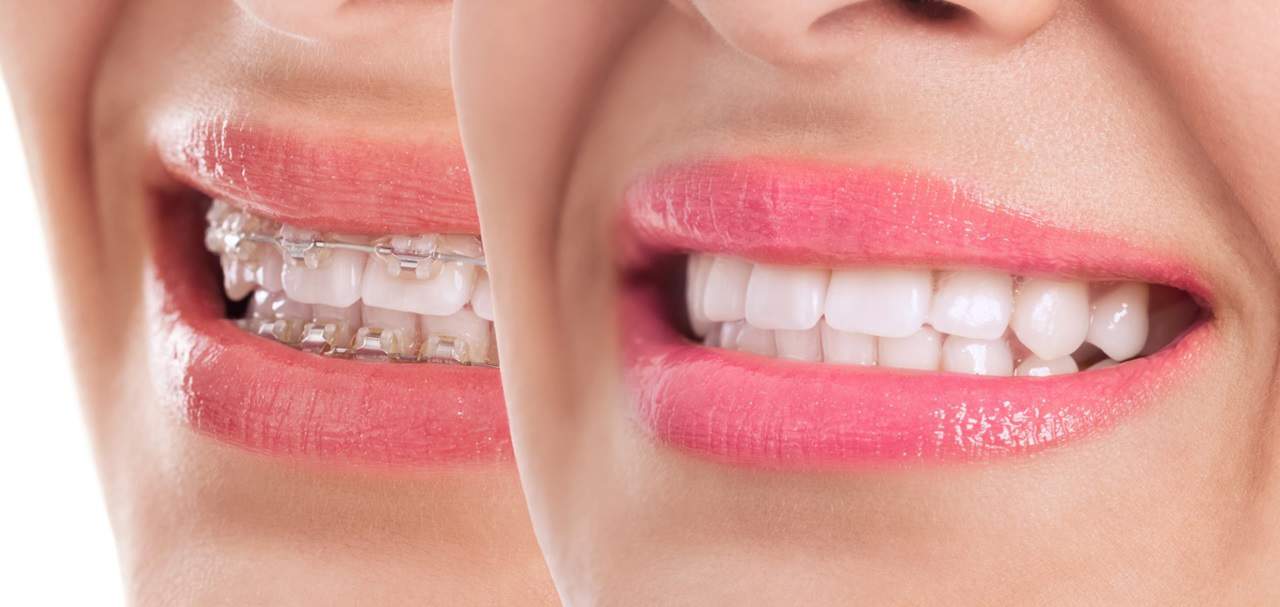
Plastic surgery is a medical specialty encompassing both reconstructive and aesthetic surgery. Reconstructive procedures aim to restore form and function after trauma, congenital conditions, burns, or cancer treatment, while aesthetic procedures, such as facelifts and breast augmentation, aim to improve appearance.
These areas often overlap, as both function and appearance are central to plastic surgery.
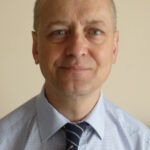
Dr Gabriele Giunta is an Italian-born plastic, reconstructive and aesthetic surgeon, based in Brussels. He is a plastic surgery internship supervisor at Chirec Delta Hospital.
In a Q&A with this site, Dr Giunta, also founder of Amunì Plastic Surgery Clinic in Uccle, set out to explain his work and dispel some of the ongoing myths surrounding plastic surgery.
He believes plastic surgery should resemble “bespoke tailoring” rather than “ready-to-wear”: the objective, he says, “is not to reproduce the same result on everyone, but to create something specifically suited to the person in front of you.”
Q: Can you outline your background?
Dr Gabriele Giunta: I am an Italian plastic, reconstructive and aesthetic surgeon, board-certified in both Italy and Belgium, and a Fellow of the European Board of Plastic, Reconstructive and Aesthetic Surgery.
My training developed across several leading European centres, where I encountered different surgical traditions and learned to approach plastic surgery from both a reconstructive and an aesthetic perspective. I am now based in Brussels, working between the hospital and my private practice.
I have deliberately built a practice in which I remain personally involved throughout the patient’s entire journey—from the first consultation and surgical planning to the operation and postoperative care. For me, high standards are not defined by the procedure alone, but by the quality, attention and continuity surrounding it.
Q: How and why did you start in plastic surgery?
Dr Giunta: Funnily enough, whenever I was asked in high school what I wanted to become, I always gave one of two answers: an architect or a plastic surgeon. Looking back, both reflected the same instinctive fascination with proportion, harmony and beauty.
Plastic surgery ultimately offered something more: the human dimension. It sits at an unusual intersection of science, craftsmanship and aesthetics, but it is also deeply personal. There is rarely a single standard solution—every patient brings a different anatomy, tissue quality, history and set of expectations. You have to observe carefully, plan precisely and adapt, always preserving the individual rather than imposing a formula. In the end, that combination made the choice quite natural.
Q: You are in a team with your wife. How unusual is this? How does it work in practice? What are the advantages — and less advantageous aspects — of this arrangement?
Dr Giunta: Jenna and I never really set out to become a professional team; it evolved quite naturally. We share the same standards and values, which matters enormously in medicine, but we have different personalities and instincts. That creates a healthy balance—we trust one another completely, yet neither of us hesitates to question the other.
There is also an ease that comes from knowing someone so well: a shared language, a certain shorthand and an intuitive understanding of how the other works. Of course, the less glamorous side is that plastic surgery has a remarkable ability to follow you home. We have had to learn—still imperfectly—that some conversations belong in the clinic and that dinner should occasionally remain just dinner.
Q: Can you briefly explain your work and any speciality you are engaged in?
Dr Giunta: My practice focuses primarily on facial surgery, aesthetic and reconstructive breast surgery, and body contouring. These are distinct areas, but they share the same essential principles: a precise understanding of anatomy, respect for proportion and careful adaptation to the individual patient.
I also integrate newer technologies into established surgical techniques when they offer a genuine benefit. Plastic surgery must continue to evolve, but innovation should always serve the result—not become an end in itself.
My approach is deliberately selective. I prefer to operate on a limited number of patients so that I can personally plan and follow each case. To me, plastic surgery should resemble bespoke tailoring rather than ready-to-wear: the objective is not to reproduce the same result on everyone, but to create something specifically suited to the person in front of you, much as garments were once made individually in an atelier.
For the same reason, I do not accept every patient who requests surgery. Sometimes the most appropriate—and most responsible—surgical decision is not to operate.
Q: What demand is there for plastic surgery here? Is demand rising and, if so, why?
Dr Giunta: There is a very strong demand for plastic surgery, and it continues to grow. Social media has played a double role in this evolution. On the positive side, it has given patients unprecedented access to information and allowed them to understand what is being done across the world. It has also made it easier to discover different surgeons, techniques and approaches.
The difficulty is that it can create the illusion that a particular result can simply be replicated—that a patient may obtain the same face or body as a model, a friend or someone they follow online. But surgery does not work that way. Anatomy, proportions, tissue quality and healing are entirely individual, and every patient must be approached accordingly.
My aim is always that the patient should feel better, not feel operated on. The most refined result is one that belongs naturally to the person and does not immediately reveal how it was achieved.
Q: What about the costs? Is this something that might deter all but wealthy people?
Dr Giunta Aesthetic surgery is, by definition, an elective choice, and high-quality surgery inevitably has a cost. That cost reflects far more than the operation itself: an experienced surgical and anaesthetic team, an accredited facility, reliable medical devices, careful planning and attentive long-term follow-up.It is not necessarily reserved for the very wealthy, but it should never be approached as a bargain. The important question is therefore not how to make surgery as inexpensive as possible, but how to ensure that, once someone chooses to undergo an operation, neither safety nor quality is compromised for the sake of price.
Q: And the health and safety aspects? Are such concerns legitimate and how do you address these in your work?
Dr Giunta Absolutely. Surgery remains surgery, even when its purpose is aesthetic, and concerns about health and safety are entirely legitimate.
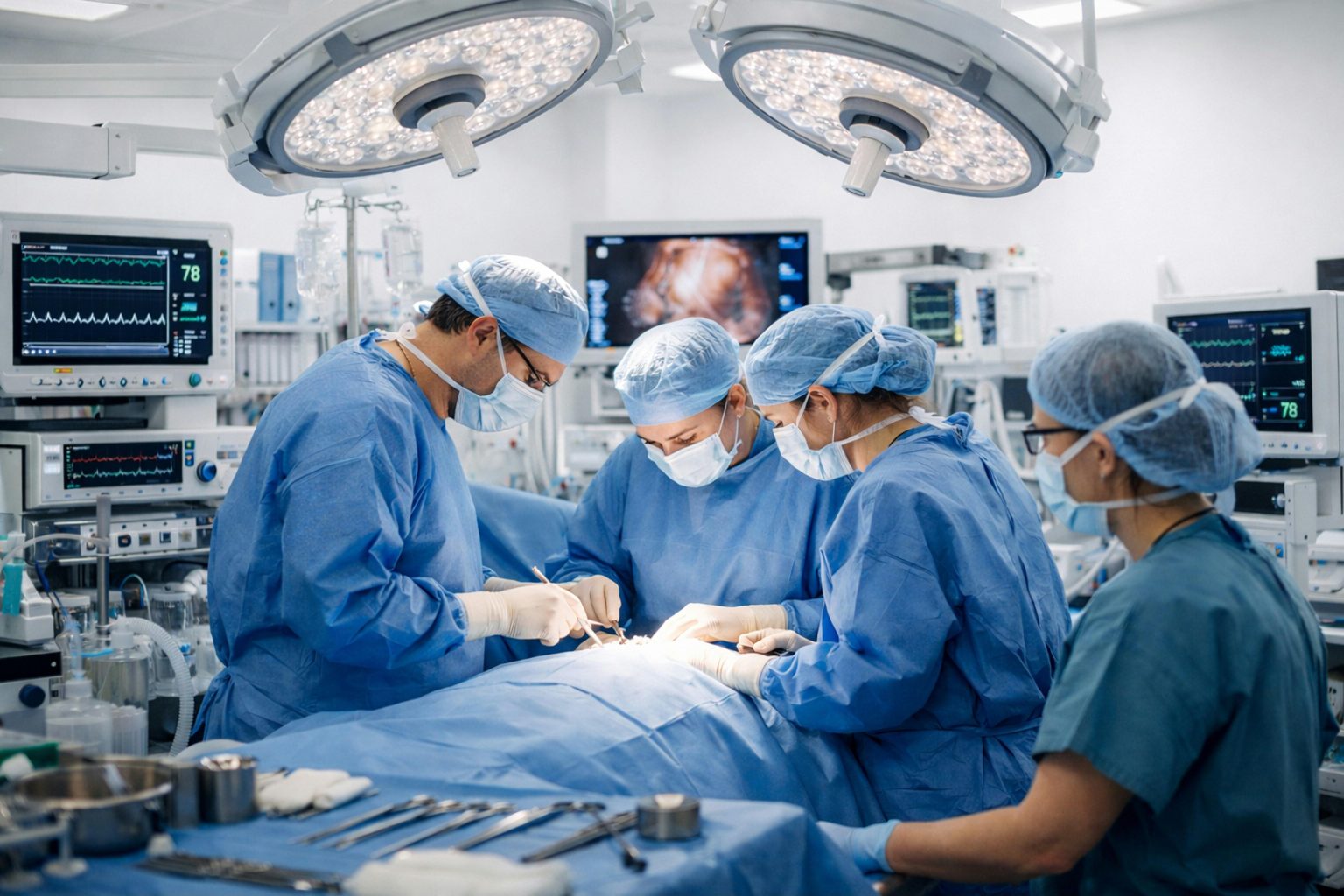
Much like aviation, safe surgery depends on rigorous protocols and checklists rather than improvisation. It begins with careful patient selection and a realistic assessment of the balance between benefit and risk. It continues with thorough preoperative planning, an appropriate hospital environment, qualified surgical and anaesthetic teams, and attentive postoperative follow-up.
Equally important is the ability to recognise and manage a complication promptly if one occurs. Safety is not an additional feature of good aesthetic surgery; it is its foundation. For that reason, there are patients I will decline to operate on, or ask to reconsider surgery, when I believe the risks outweigh the potential benefit.
Q: What are the current main challenges facing you and those in your sector?
Dr Giunta: One of the main challenges is the increasing commercialisation of aesthetic medicine. Procedures are often presented as consumer products—quick, interchangeable and almost without consequence—when in reality every treatment is a medical decision involving an individual patient.
The constant stream of trends, algorithms and dramatic before-and-after images can also create pressure to pursue transformation rather than thoughtful improvement. Good plastic surgery, however, is rarely about following a trend. It requires time, judgement and restraint.
The surgeon must remain a doctor first. That means giving honest advice, managing expectations and being prepared to say no—even when saying yes would be easier or more profitable.
Q: Is Belgium a good working environment for such work?
Dr Giunta: Yes. Throughout my career, I have had the opportunity to visit and work alongside colleagues across Europe and beyond, and I continue to attend several international scientific meetings each year. This perspective has allowed me to appreciate just how high the standard of Belgian plastic surgery is.
Belgium has an excellent medical tradition, and the level among properly qualified, board-certified plastic surgeons—particularly members of the Royal Belgian Society for Plastic Surgery – is exceptionally high, even when compared with many other European and international centres.
Brussels also offers a uniquely stimulating environment. Its patients come from many different cultural backgrounds and often bring well-informed, sophisticated expectations, which makes the work both demanding and rewarding.
Q: Where do you see the profession moving, for example with the onset of AI?
Dr Giunta: AI will undoubtedly become increasingly important in plastic surgery, particularly in imaging, surgical planning, data analysis and the evaluation of possible outcomes. I already use it extensively in my own practice, especially during the preoperative planning of breast surgery, where it can support measurements, visualisation and communication with the patient.
However, AI must remain a tool in the surgeon’s hands, not a substitute for the surgeon. It cannot replace clinical judgement, technical experience or the human understanding required to interpret what a patient truly needs.
Surgery is three-dimensional, tactile and deeply personal. A good surgeon must know not only how to perform an operation, but whether it should be performed, how far to go and when to stop. As technology becomes more sophisticated, I believe human judgement, sensitivity and restraint will become even more valuable.
Info: https://drgiunta.be