Brussels, 8 October, (Brussels Morning Newspaper) – Brussels school air pollution has raised renewed concerns over children’s health after an environmental study reported widespread nitrogen dioxide exposure at educational establishments across the Belgian capital. The analysis by environmental organisation Les Chercheurs d’Air found that all 841 establishments assessed exceeded the World Health Organization’s recommended annual guideline for nitrogen dioxide, highlighting the continuing challenges facing authorities responsible for protecting pupils from traffic-related emissions.
- Study Reveals Widespread Air Pollution Near Brussels Schools
- Saint-Josse and Schaerbeek Face Particularly High Exposure
- Health Experts Highlight Risks to Children’s Development
- School Streets and Traffic Restrictions Under Scrutiny
- Why the Findings Matter for Brussels Families
- What Happens Next for Brussels Schools?
Study Reveals Widespread Air Pollution Near Brussels Schools
The research, published on 8 October 2026, examined estimated nitrogen dioxide concentrations for 2024 using the SIRANE air pollution modelling system.
Among 618 nursery and primary schools included in the analysis, 167 were exposed to estimated annual nitrogen dioxide concentrations exceeding 15 micrograms per cubic metre.
This represents approximately 27% of the schools examined and exceeds the WHO’s annual guideline of 10 micrograms per cubic metre by at least 50%.
Although researchers identified improvements compared with earlier measurements, the findings suggest that pollution exposure remains a concern for children attending schools in heavily trafficked neighbourhoods.
Saint-Josse and Schaerbeek Face Particularly High Exposure
The report identified significant differences in estimated pollution concentrations between Brussels municipalities.
Saint-Josse-ten-Noode recorded particularly concerning results, with every school assessed exceeding the threshold of 15 micrograms per cubic metre.
In Schaerbeek, approximately seven in ten schools exceeded that level, while substantial proportions of schools in Ixelles and the City of Brussels also recorded elevated concentrations.
Researchers highlighted the relationship between pollution exposure and socioeconomic conditions, noting that communities facing financial hardship may experience additional environmental disadvantages.
Health Experts Highlight Risks to Children’s Development
The European Environment Agency identifies children as particularly vulnerable to air pollution because their respiratory systems and other organs are still developing.
Exposure to nitrogen dioxide has been associated with respiratory irritation, asthma symptoms and reduced lung function.
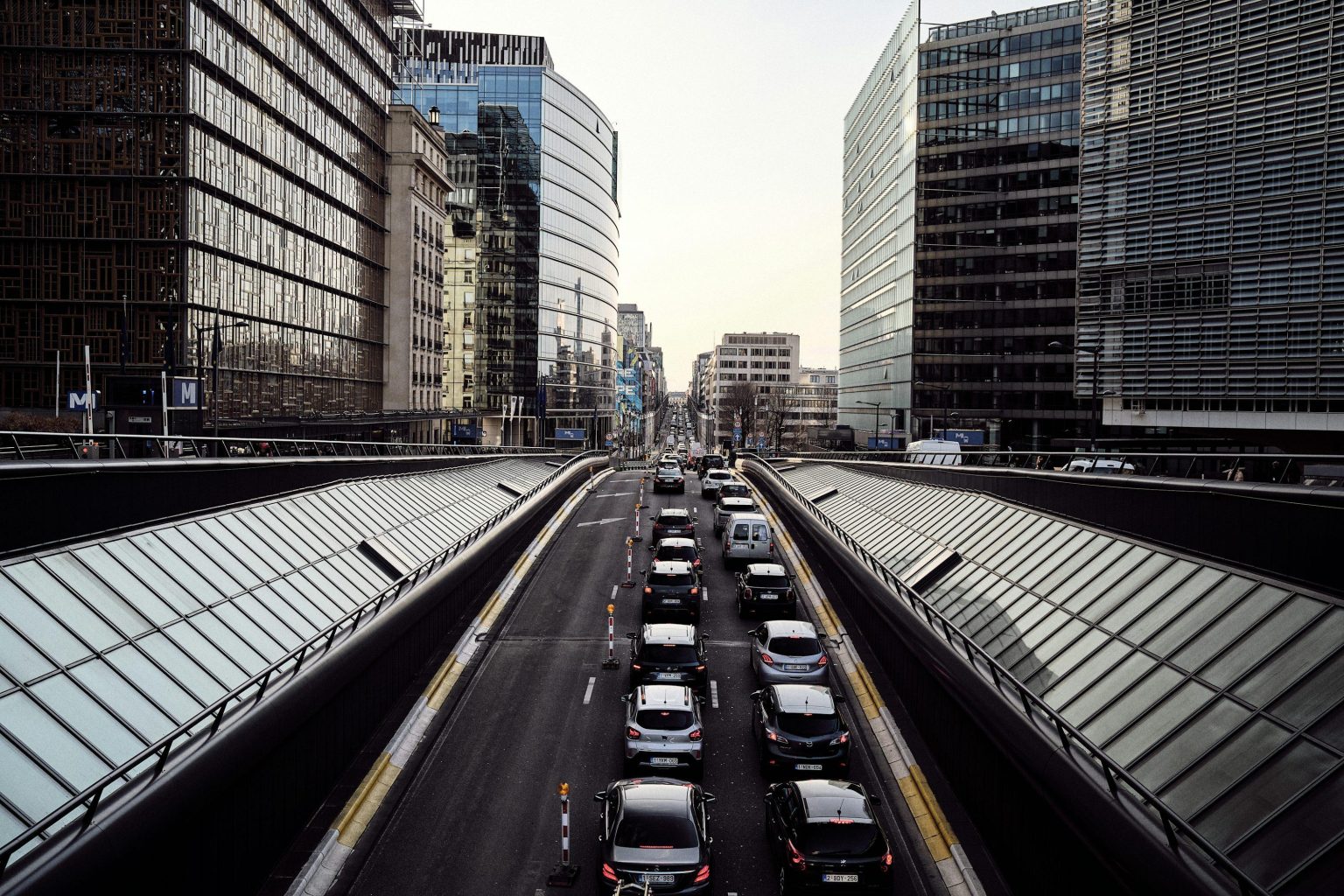
Children travelling to school along busy roads may encounter additional exposure during daily journeys.
However, the Brussels study assessed estimated pollution concentrations rather than diagnosing health conditions among individual pupils.
School Streets and Traffic Restrictions Under Scrutiny
Brussels has introduced school street initiatives designed to reduce vehicle movements near educational establishments.
These arrangements restrict motor traffic during designated periods or, in some locations, permanently.
An inventory published by Les Chercheurs d’Air in May 2026 identified 68 schools benefiting from school street arrangements, including 16 permanent and 52 temporary restrictions.
Campaigners argue that reducing traffic around educational facilities can contribute to healthier environments for children, teachers and nearby residents.
Why the Findings Matter for Brussels Families
The findings have implications for families choosing schools, local authorities planning transport infrastructure and policymakers responsible for environmental protection.
Brussels school air pollution also highlights the importance of coordinating education, public health and transport policies.
Although the analysis identified improvements between 2022 and 2024, the estimated concentrations remain above international health recommendations at many establishments.
What Happens Next for Brussels Schools?
The findings are likely to inform continuing discussions about traffic restrictions, school streets and the Brussels Low Emission Zone.
Existing measures aim to reduce vehicle emissions and improve urban air quality, but the latest research indicates that further progress is needed to meet WHO recommendations.
The study did not announce a new government deadline, school closure programme or immediate regulatory decision.
For Brussels authorities, the continuing challenge is to reduce children’s exposure to harmful pollutants while ensuring schools remain accessible to families and essential services.