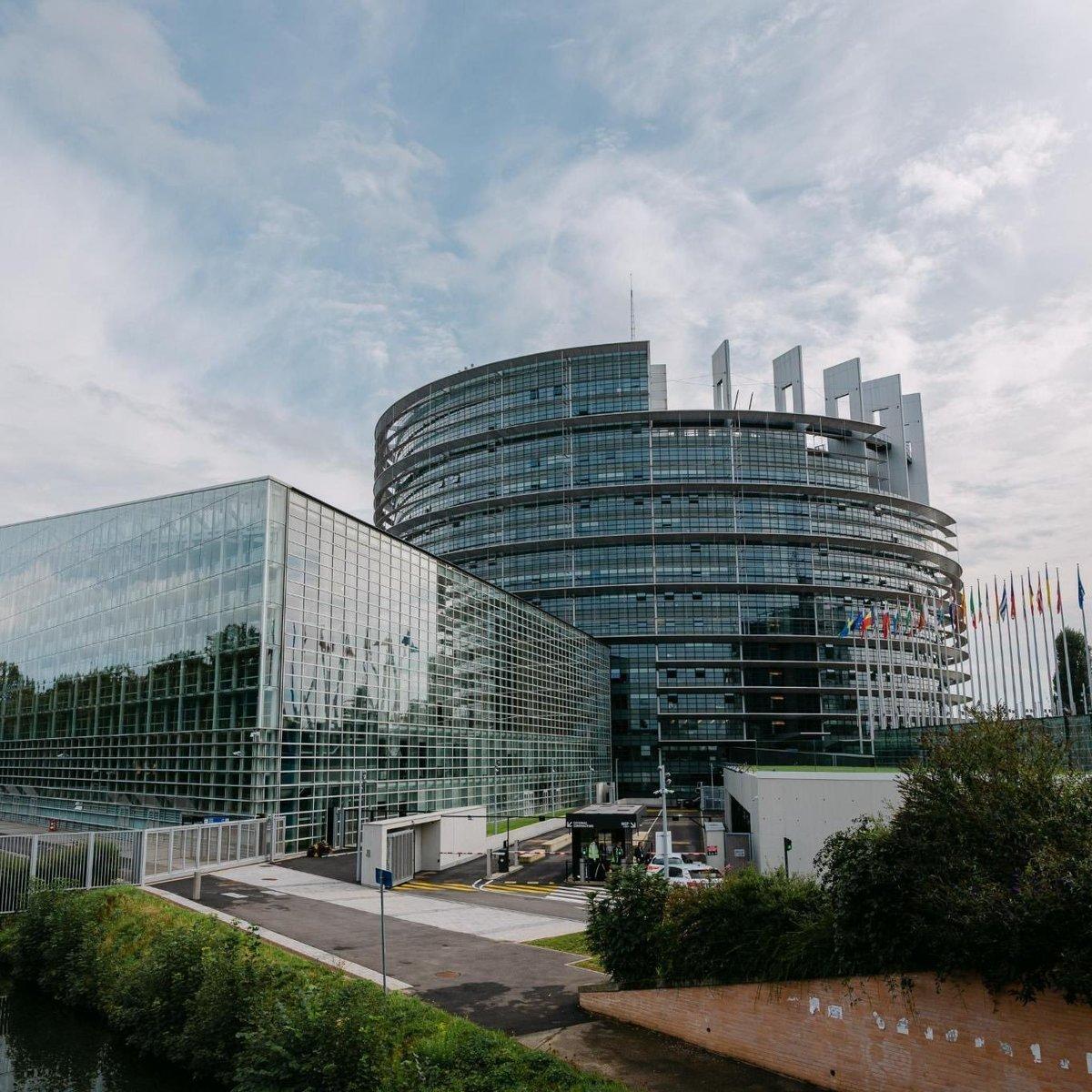
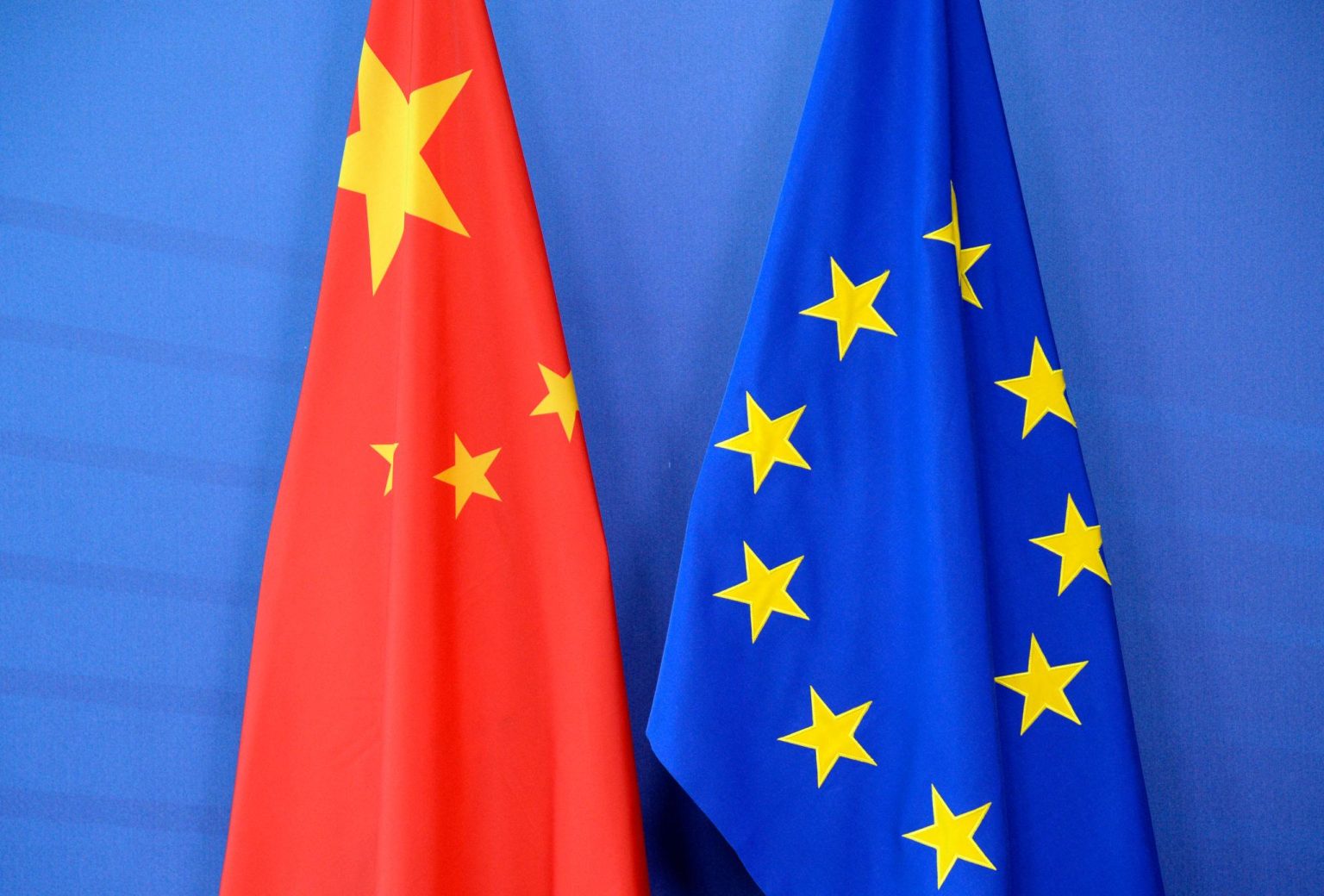
Strasbourg, 6 October, (Brussels Morning Newspaper) – EU-China relations are under renewed scrutiny in the European Parliament today as MEPs debate how Europe should respond to mounting tensions with Beijing over trade, Russia’s war against Ukraine, security in the Indo-Pacific and human rights.
The debate is taking place during Parliament’s plenary session in Strasbourg, with MEPs scheduled to vote on a recommendation on Wednesday, 7 October. Parliament’s Legislative Observatory confirms that the proposal, prepared by the Foreign Affairs Committee, remains awaiting the plenary vote.
MEPs confront Europe’s growing China challenges
The recommendation is being steered through Parliament by Belgian Renew Europe MEP Hilde Vautmans, who was appointed rapporteur in April 2025. The Foreign Affairs Committee voted on the file on 10 September, before its report was formally tabled for the plenary session on 16 September.
The debate comes amid what Parliament’s research service describes as several years of deteriorating relations between Brussels and Beijing.
MEPs are expected to focus on China’s economic policies and trade imbalances, its relationship with Russia, tensions surrounding Taiwan and the South and East China Seas, and concerns about human rights inside China.
Trade tensions put pressure on Brussels and Beijing
Economic relations form a central part of the dispute.
The EU’s policy towards China has since 2019 treated Beijing simultaneously as a cooperation partner, an economic competitor and a systemic rival. Brussels has increasingly focused on reducing economic vulnerabilities while seeking more balanced access for European businesses.
Parliament’s research service says China’s economic model continues to create imbalances and overcapacity in sectors including the automotive industry.
The parliamentary debate also comes shortly before EU Trade Commissioner Maroš Šefčovič is expected to visit Beijing, increasing attention on whether existing EU-China mechanisms can produce progress on trade disputes.
Russia, Taiwan and human rights shape debate
Foreign policy and security are also central to Parliament’s examination of EU-China relations.
The Parliament briefing raises concerns about Beijing’s support for Russia during its war against Ukraine and about China’s increasingly assertive position in the Taiwan Strait and the South and East China Seas.
Human rights remain another major source of friction. Parliament has repeatedly raised cases involving Hong Kong, Tibet and Xinjiang, while stressing the importance of maintaining peace and stability across the Taiwan Strait.
Direct contacts between the European Parliament and Chinese authorities resumed in 2025 after having been frozen following China’s 2021 sanctions against several MEPs and Parliament’s Subcommittee on Human Rights. Those sanctions were lifted in 2025.
Parliament pushes dialogue alongside stronger EU resilience
Despite the tensions, Parliament’s current approach does not call for ending engagement with Beijing.
Official Parliament material says the draft recommendation supports continued dialogue while emphasising that the EU should defend its values and principles and strengthen its resilience internally.
That balance is increasingly important because China remains a major economic actor for Europe while simultaneously presenting trade, geopolitical and security challenges for EU policymakers.
The debate therefore goes beyond bilateral diplomacy. It addresses how Europe intends to protect strategic interests while maintaining channels of communication with one of the world’s most influential economies.
What happens after the EU-China debate?
The immediate next step is Parliament’s vote on Wednesday, 7 October. The outcome will establish Parliament’s latest political recommendations on EU-China relations, although the own-initiative recommendation itself is not EU legislation.
Attention will then turn towards the EU’s continuing economic engagement with Beijing, including the Trade Commissioner’s planned October visit.
The combination of Parliament’s vote and forthcoming trade discussions means the coming days could help clarify how Brussels intends to balance dialogue, economic security and geopolitical concerns in its increasingly complicated relationship with China.