Vienna, 5 October, (Brussels Morning Newspaper) – An OPEC warning over attacks on energy infrastructure has put renewed attention on the security of global oil supplies, with the producer group stressing that damage to critical facilities and disruption of maritime routes can increase market volatility and undermine reliable energy flows.
The warning follows the 68th meeting of the OPEC+ Joint Ministerial Monitoring Committee (JMMC), held by videoconference on 4 October. Ministers reviewed global oil-market conditions, participating countries’ production commitments and risks surrounding energy security.
Why is OPEC warning about energy infrastructure?
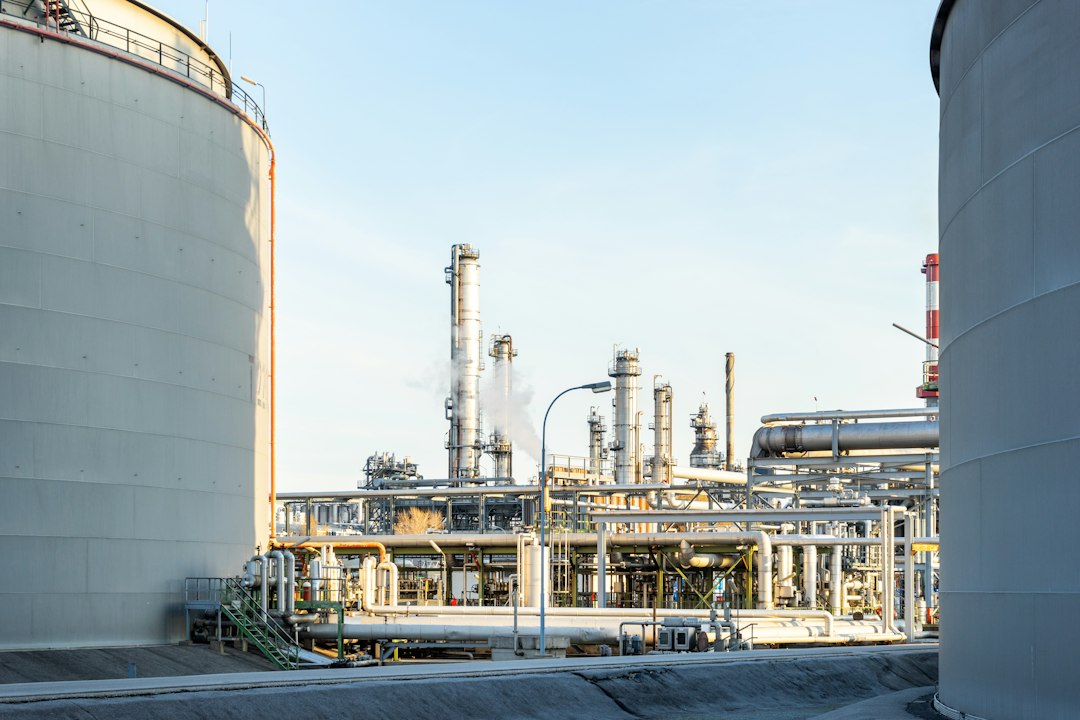
OPEC said attacks on energy infrastructure can have consequences extending beyond the facilities directly targeted. Oil production, processing and export systems depend on interconnected infrastructure, meaning serious damage can take significant time and investment to repair.
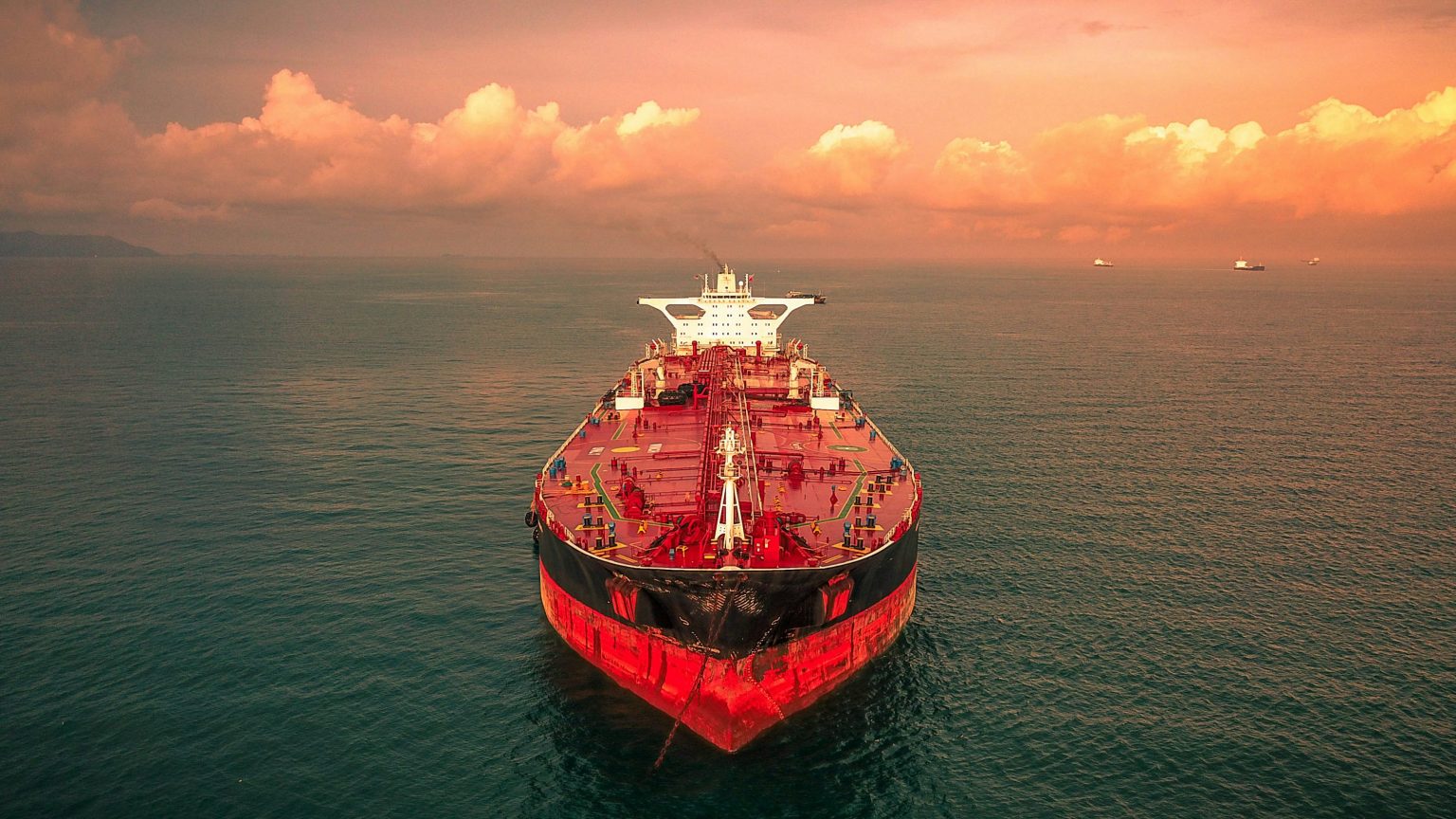
The committee also stressed the importance of protecting international maritime routes. Oil-producing countries depend heavily on shipping corridors to deliver crude and petroleum products to consumers around the world.
Disruption to major routes can therefore affect the availability and cost of moving energy even when production facilities themselves remain operational.
OPEC said such developments can increase market volatility and undermine collective efforts to maintain stability.
Critical shipping routes remain central to oil security
The organisation’s concerns come amid heightened attention to the security of strategically important oil routes and production infrastructure.
The Strait of Hormuz remains particularly important to international energy markets because it connects Gulf producers with global customers. Previous disruption around the waterway has demonstrated how geopolitical conflict can quickly become an international energy-security issue.
The OPEC warning therefore covers more than physical attacks on oilfields or refineries. Export terminals, pipelines and shipping routes are also critical components of the global supply system.
OPEC+ maintains November production levels
The latest security concerns have not prompted an immediate change in production policy.
Seven OPEC+ countries — Saudi Arabia, Russia, Iraq, Kuwait, Kazakhstan, Algeria and Oman — met virtually on 4 October and agreed to maintain their September 2026 required production levels for November.
The participating countries also reaffirmed their commitment to the Declaration of Cooperation and to complying with existing production arrangements.
That decision indicates that OPEC+ is continuing with its current production strategy while monitoring geopolitical and market developments.
What does the warning mean for Europe?
Europe remains highly exposed to developments in international energy markets because crude oil and petroleum products are globally traded commodities.
Major interruptions to production or shipping can contribute to price volatility, affecting refiners, transport companies, manufacturers and eventually consumers.
For European governments, infrastructure security is therefore closely connected to broader questions surrounding energy resilience, supply diversification and economic stability.
What happens next for OPEC+?
OPEC+ will continue monitoring production compliance, market conditions and risks to supply security. The JMMC can request additional meetings if market developments require further intervention.
The seven countries participating in the latest voluntary production discussions are due to meet again on 1 November 2026, while the 69th JMMC meeting is scheduled for 29 November 2026.
Until then, the security of energy facilities and international shipping corridors is likely to remain an important consideration as producers assess whether supply conditions remain stable.