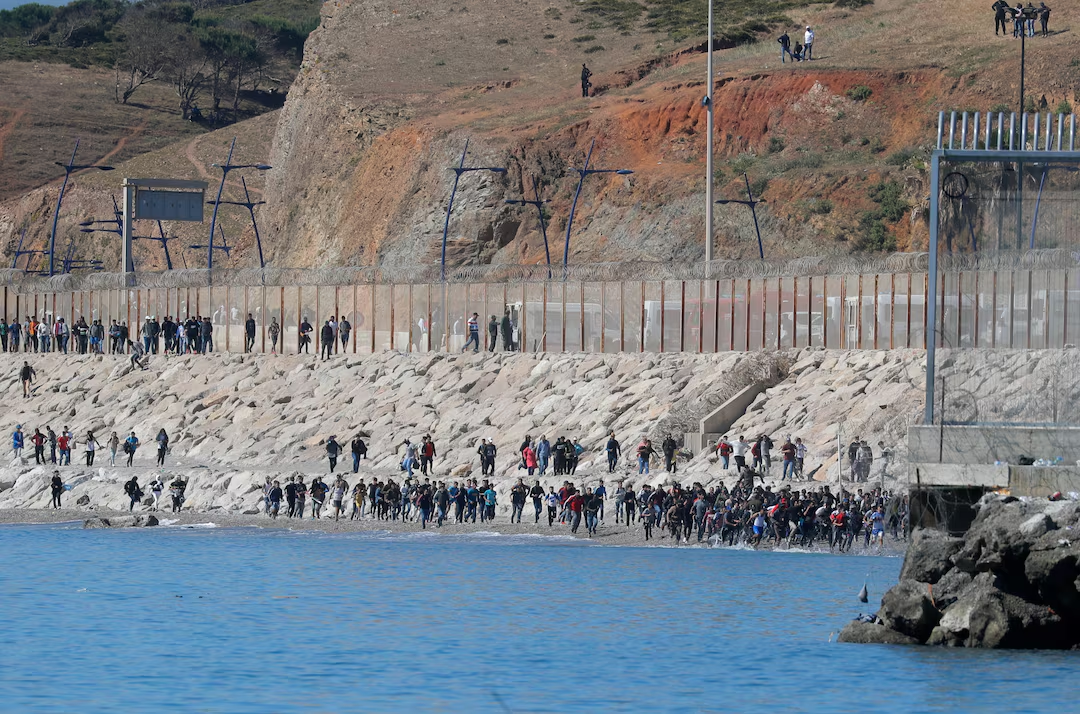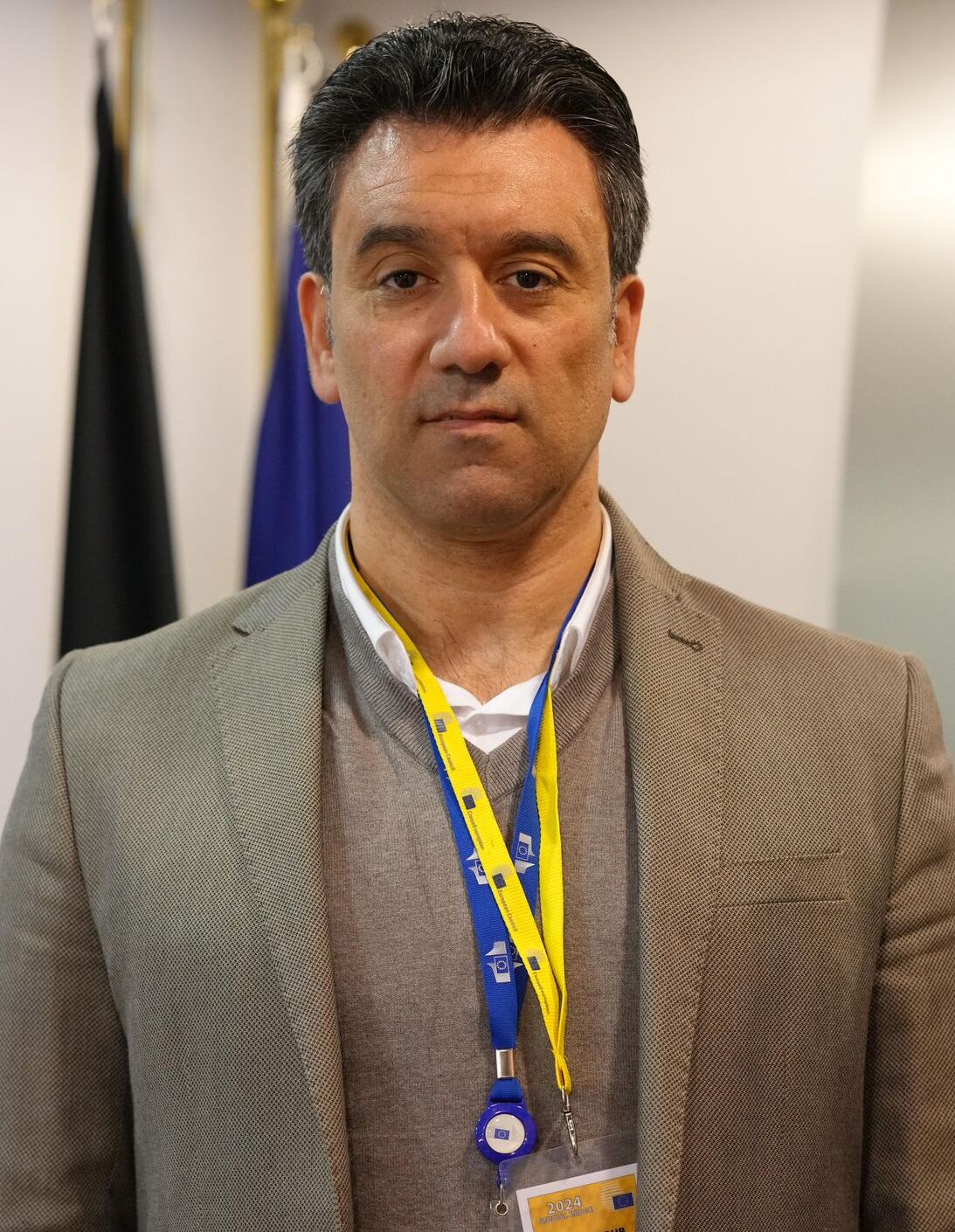
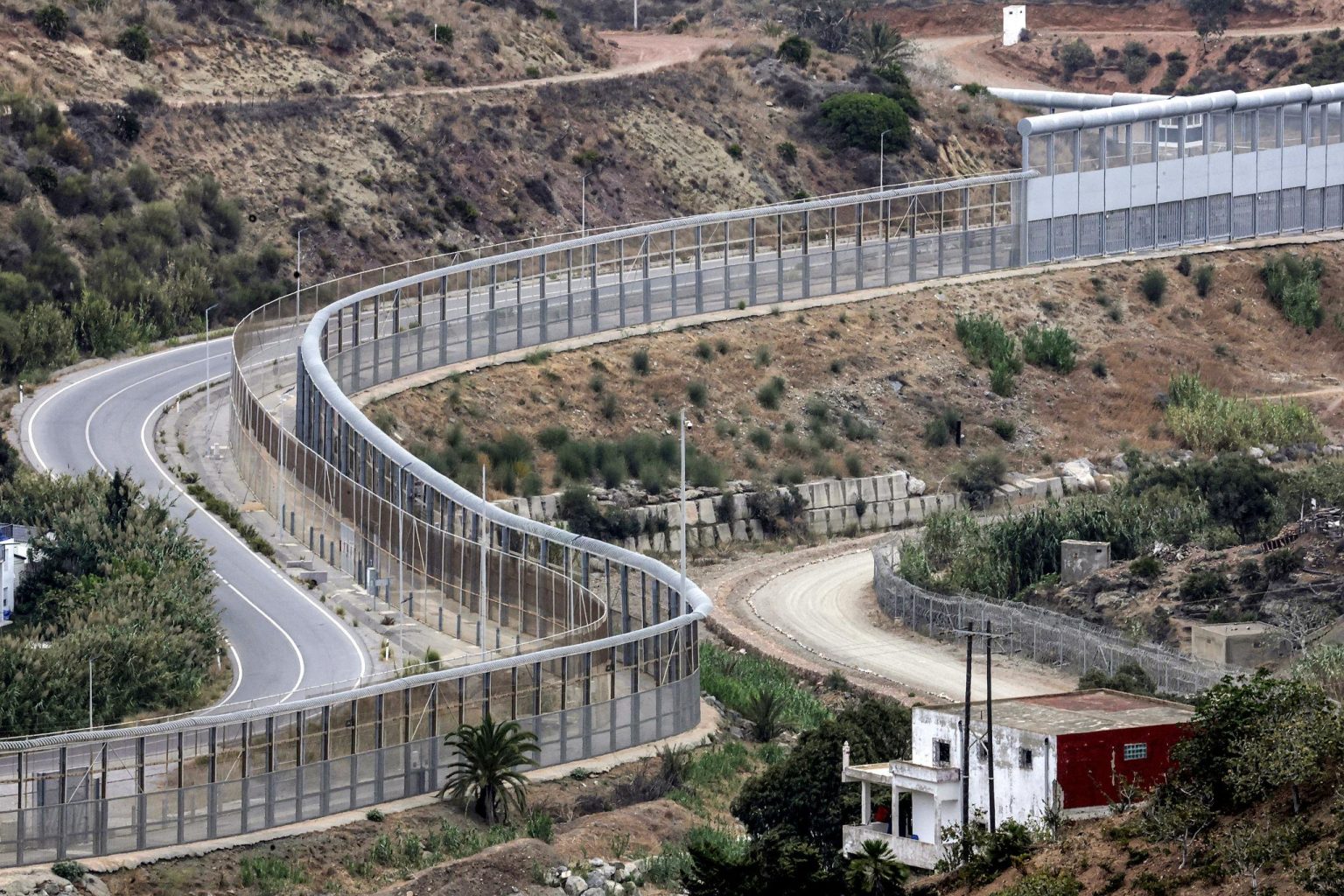
Brussels, 29 September, (Brussels Morning Newspaper) – European Migration Commissioner Magnus Brunner has unveiled a broad EU border security plan to strengthen controls at the bloc’s external frontiers following the mass arrival of migrants in Spain’s Ceuta enclave in July. The proposals would expand Frontex’s role, strengthen surveillance and create greater capacity for rapid deployment during border emergencies.
EU proposes stronger Frontex powers
The plan would strengthen the mandate of Frontex, the European Border and Coast Guard Agency, and provide a standing corps capable of immediate deployment. It would also increase cooperation between Frontex and national authorities and give the agency a larger role in returning people who have no legal right to remain in the EU.
Brussels is also proposing improved early-warning systems for potential border breaches, stronger action against people-smuggling networks and additional cooperation with migrants’ countries of origin. The proposals require approval from EU member states.
Ceuta crossings put EU border controls under pressure
More than 72,000 people crossed from Morocco into Ceuta during the mass movement at the end of July, according to Reuters. Most subsequently returned, but about 10,000 irregular migrants were estimated to remain in Ceuta as of 29 September.
The episode brought renewed attention to the EU’s southern external border despite irregular border crossings across Europe falling to their lowest level since 2021, according to Brunner.
The European Commission had already approved €114.7 million in emergency assistance for Spain on 9 September. That includes €82.7 million from the Asylum, Migration and Integration Fund and €32 million from the Border Management and Visa Instrument.
Brunner backs Spanish return efforts
Brunner expressed support for Spain’s efforts to return people who do not have permission to remain in Ceuta.
“We will see how it works, but we support everything the Spanish government does to return … the people who are in Ceuta illegally,” Brunner said in Brussels on 29 September.
German Interior Minister Alexander Dobrindt has meanwhile called for a stronger EU-wide response to exceptional border surges.
“We need a new European mechanism for handling migration crises,” Dobrindt said during a meeting with European counterparts and Brunner in Munich on 26 September. He proposed allowing Frontex rapid-response forces to deploy within 24 hours.
Spain seeks permanent EU presence in Ceuta
Spain is separately seeking deeper EU involvement in Ceuta and Melilla. Foreign Minister José Manuel Albares has proposed a permanent Frontex presence, permanent representation for the territories on the European Committee of the Regions and steps towards bringing them into the EU Customs Union.
The Commission’s emergency funding can support additional personnel, reception facilities, thermal cameras, observation technology, floating buoy systems and underwater drones. Frontex, Europol and the EU Agency for Asylum have also responded to Spain’s request for operational assistance.
Member states must consider border proposals
The EU border security plan now requires consideration and approval by member states. Discussions will focus on the proposed expansion of Frontex’s mandate, rapid-response capabilities, migrant returns and stronger surveillance of Europe’s external borders.
Spain is also continuing its push for a more permanent European institutional and security presence in Ceuta and Melilla as the EU reviews lessons from the July crisis.