Brussels, 29 September, (Brussels Morning Newspaper) – The European Commission plans to propose delaying key EU methane emissions rules for imported fossil fuels that are due to apply from 1 January 2027, after France, Germany and other governments raised concerns that the requirements could restrict access to oil and gas during a period of elevated energy prices and supply uncertainty. The planned change would give EU importers and overseas suppliers additional time to meet methane monitoring, reporting and verification requirements, although the Commission has not yet confirmed the length of the proposed postponement.
EU methane emissions rules set requirements for imports
The EU Methane Regulation, Regulation (EU) 2024/1787, is designed to reduce methane emissions from the energy sector. Its requirements cover oil, natural gas and coal produced within the EU as well as fossil fuels imported from third countries.
From 1 January 2027, importers are currently required to demonstrate that imported fossil fuels were produced under methane monitoring, reporting and verification standards equivalent to EU requirements. Oil and gas can alternatively qualify under specified OGMP 2.0 standards with verification. The requirements apply directly to contracts signed or renewed after 4 August 2024, while importers must make reasonable efforts for older contracts.
The regulation then introduces methane-intensity reporting from 5 August 2028 and methane-intensity limits from 5 August 2030 for relevant contracts.
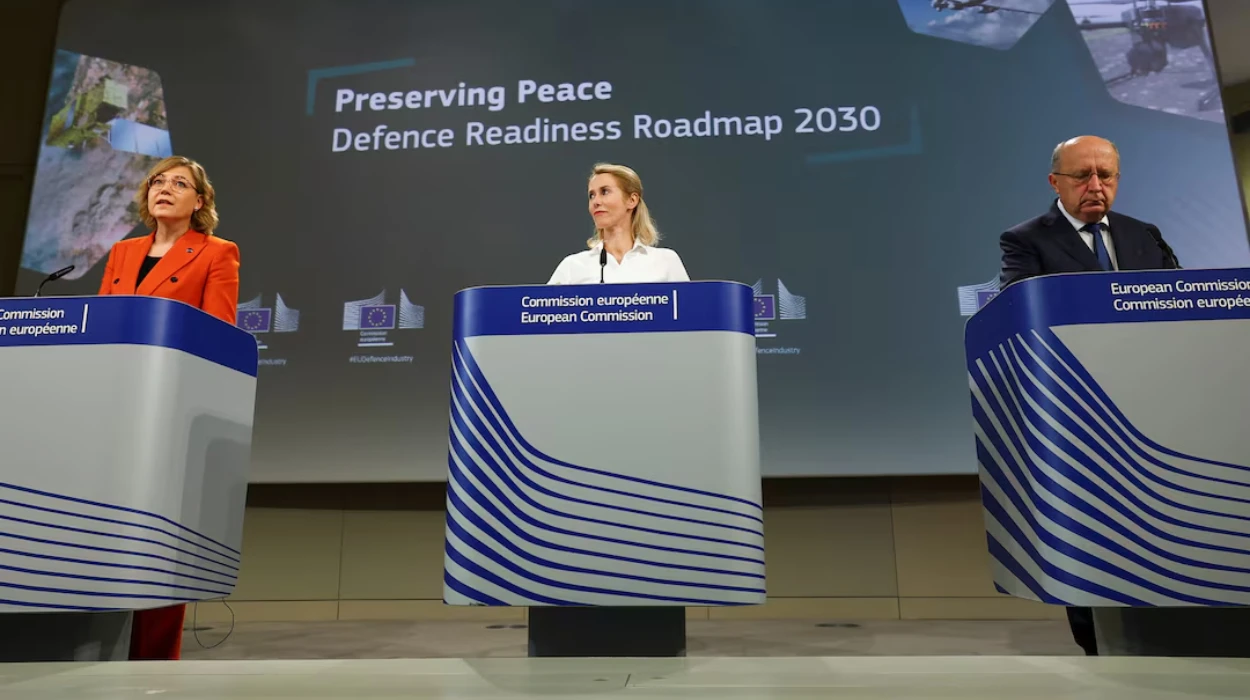
Commission confirms plan to propose postponement
The Commission confirmed its planned intervention on 28 September.
“The Commission plans to propose a postponement of the entry into force of the methane regulation,”
a European Commission spokesperson said, without specifying how long the postponement would last.
EU Energy Commissioner Dan Jørgensen has indicated that Brussels is examining a one-year postponement of the requirements affecting imported fuels. France and roughly a dozen other EU governments have supported delaying or suspending the measures, while the United States, a major LNG supplier to Europe, has also pushed for changes.
Energy security concerns drive calls for delay
The dispute has intensified amid pressure on European energy markets. The EU imports around 80% of the gas it consumes, while gas storage was about 70% full in late September, roughly 12 percentage points below the same period in 2025, according to figures cited by Jørgensen.
Germany has warned that implementation could also affect fuel supplies, including jet fuel. The International Energy Agency has previously raised concerns that the regulation could narrow Europe’s available oil supply options if overseas producers cannot demonstrate compliance.
Despite those concerns, the Commission said following a recent Gas Coordination Group meeting:
“EU gas supply remains stable for the time being.”
What happens next with the methane regulation?
The Commission must formally present its proposed changes before the timetable can be altered through the EU legislative process. The final scope and duration of any postponement therefore remain subject to political negotiations.
The underlying climate objective has not been abandoned. The Commission describes methane reductions as an important part of cutting energy-sector greenhouse gas emissions, while the regulation’s later methane-intensity reporting and import requirements remain part of the existing framework.
The immediate question is whether the 2027 EU methane emissions rules will be moved back to give governments, importers and overseas energy producers more time to comply while Europe manages heightened concerns over energy security.