Brussels, 27 September, (Brussels Morning Newspaper) – Wallonia-Brussels budget cuts are facing renewed opposition as teachers and political critics challenge savings measures while Minister-President Elisabeth Degryse defends her government’s attempt to contain the French-speaking Federation’s growing deficit. Degryse publicly acknowledged the anger on Saturday, 26 September, during the Federation’s official celebrations in Brussels.
Degryse acknowledges anger over budget decisions
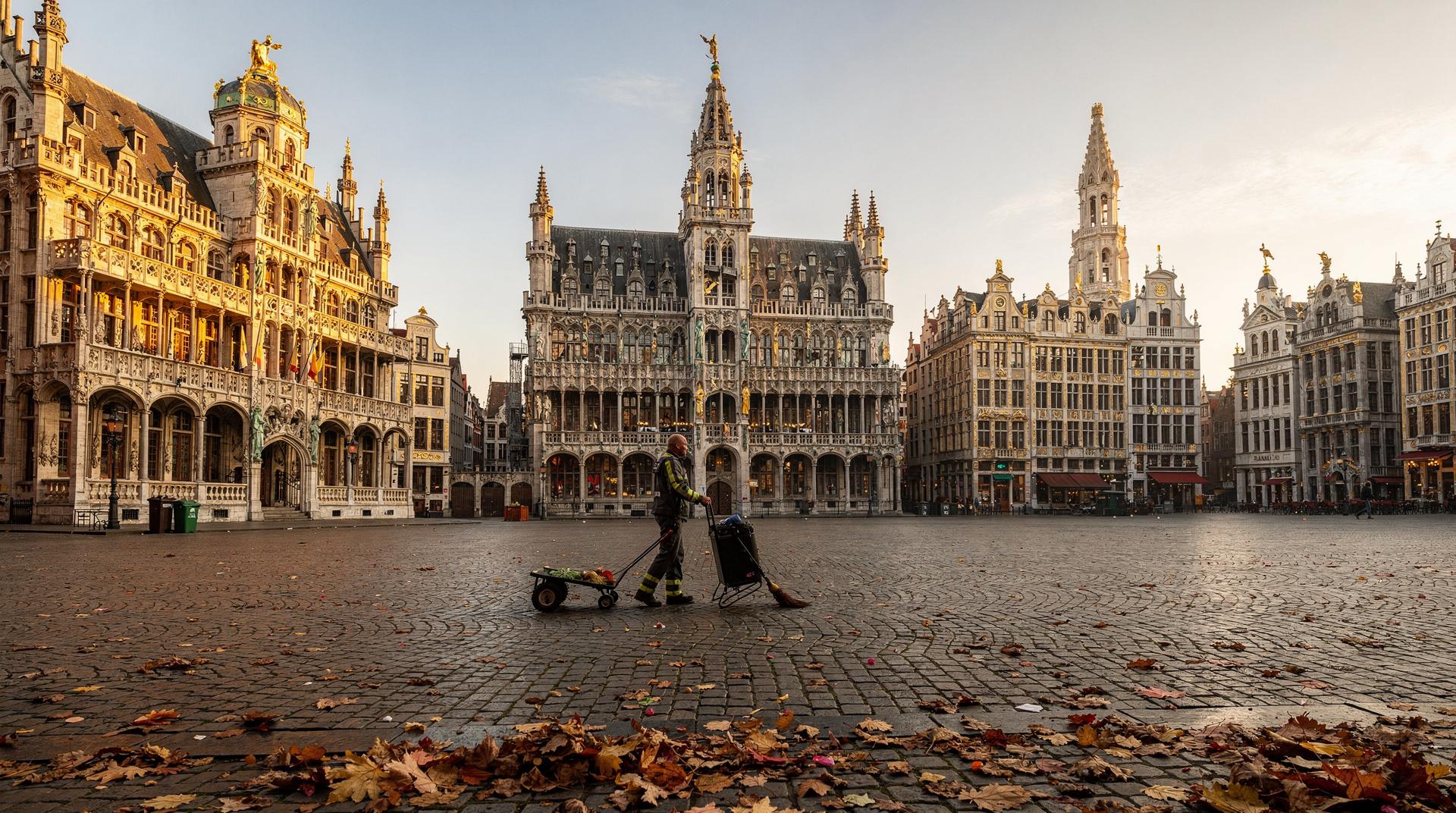
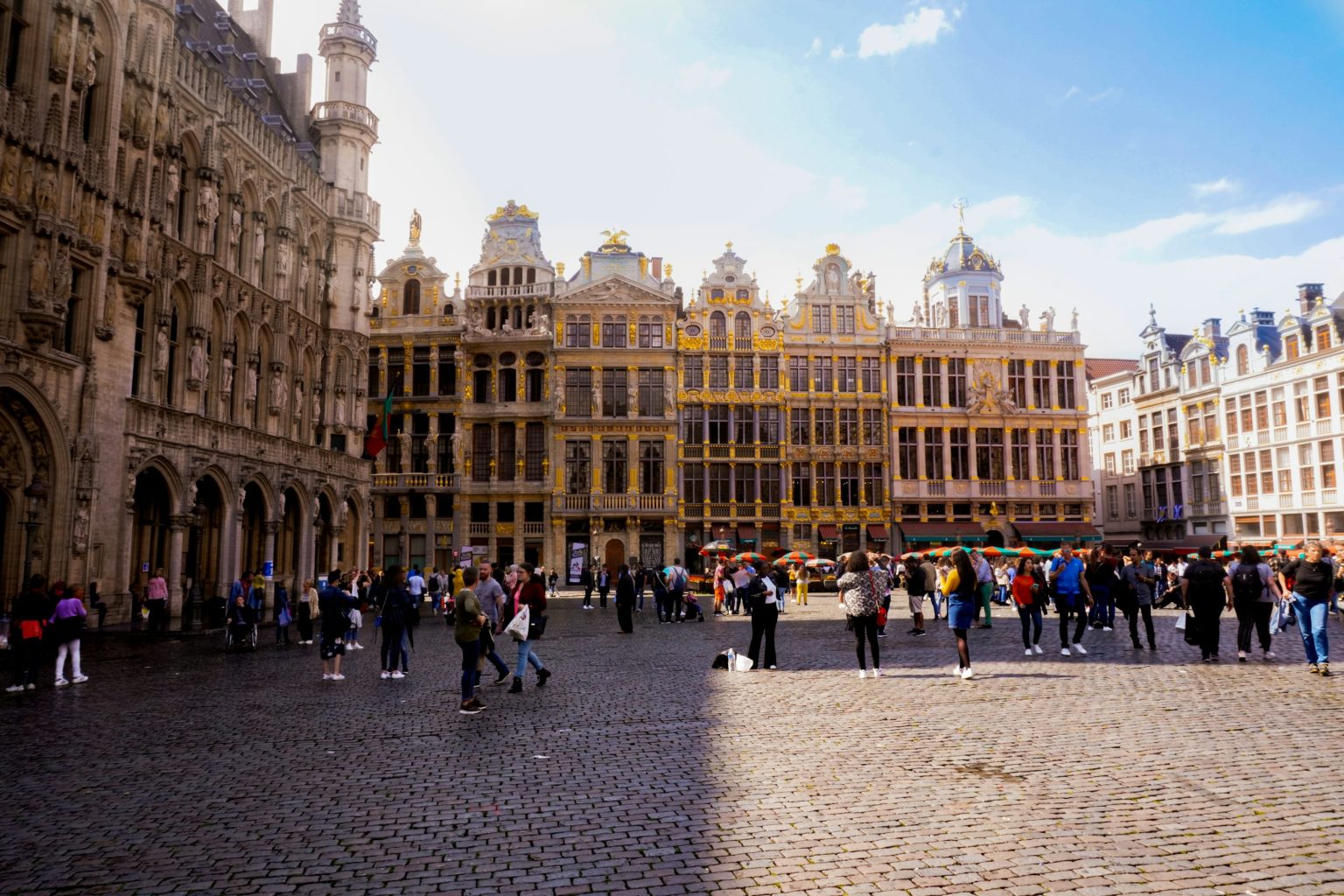
Speaking at Brussels City Hall before around 300 representatives of Belgian institutions, Degryse recognised that the government’s financial decisions had generated significant opposition.
“We had to take difficult decisions, and they may have caused anger and disappointment,” Degryse said.
She nevertheless defended the government’s approach, arguing that disagreement is a normal part of democracy and maintaining that action is needed to protect the Federation’s long-term financial viability.
Her remarks came as the government continues implementing a multi-year programme containing nearly €500 million in net structural savings by 2029. The administration wants to stabilise the Federation’s annual deficit at approximately €1.2 billion by the end of the legislature.
Federation faces €1.77 billion deficit in 2026
The financial pressures are substantial. The government’s April budget adjustment projected €13.67 billion in revenue against €15.59 billion in expenditure for 2026, leaving an estimated €1.77 billion deficit.
That was €160 million above the initial deficit forecast of €1.61 billion. Officials attributed the difference principally to higher inflation assumptions and an accounting reclassification involving European recovery-plan advances to schools.
The government has warned that without corrective action, Federation debt could increase from €12.7821 billion in 2024 to about €21 billion by 2029.
Education savings drive protests and union opposition
Education has become a central battleground over the Wallonia-Brussels budget cuts. The Federation parliament approved the government’s education savings plan earlier this year after a marathon debate lasting around 14 hours.
Teachers and unions have continued opposing the measures, arguing that reducing resources risks damaging staffing levels, working conditions and educational provision.
The controversy has also entered the political debate. DéFI leader Sophie Rohonyi used her party’s congress in Schaerbeek on Saturday to reject weakening education because of the Federation’s financial difficulties. She criticised politicians who celebrated the Federation at Brussels City Hall “with a glass of champagne in hand” while questioning whether they were effectively toasting “its future or its demise”.
Government maintains savings plan despite protests
The government has not announced a reversal of its fiscal programme. Its April adjustment explicitly maintained the structural savings already approved and said the exercise was intended to update the 2026 budget rather than intensify the overall savings effort.
The dispute therefore remains focused on how the Federation can control its deficit without undermining education and other public services.
For Degryse’s government, the challenge is now to maintain its target of stabilising the deficit at €1.2 billion by 2029 while responding to sustained opposition. For teachers, families and unions, attention will remain on how the savings translate into staffing, workloads and classroom resources during the 2026-27 academic year.