Brussels, 24 September, (Brussels Morning Newspaper) – The Brussels drought alert remains at yellow level after regional authorities reviewed drinking-water supplies amid continued dry conditions. The Brussels Regional Drought Unit decided on Wednesday, 23 September, to maintain the vigilance phase following a spring and summer affected by drought and several heatwaves.
Brussels maintains yellow drought level
The regional drought unit met under the water-policy coordination platform led by Brussels Environment. Water operators and public authorities, including Vivaqua, Brussels Environment and safe.brussels, carried out a specific assessment of drinking-water supplies before retaining the yellow level.
The decision means measures introduced two months ago remain in place. Authorities are continuing to ask residents, businesses and public bodies to use mains water responsibly.
The yellow vigilance phase was first activated after the drought unit met on 22 July. Brussels Environment said at the time that the status required responsible use of drinking water by public administrations, residents, companies and sports clubs.
Dry autumn keeps water supply under scrutiny
Despite some rainfall during August and early September, authorities have repeatedly found that precipitation has not been sufficient to return conditions to normal.
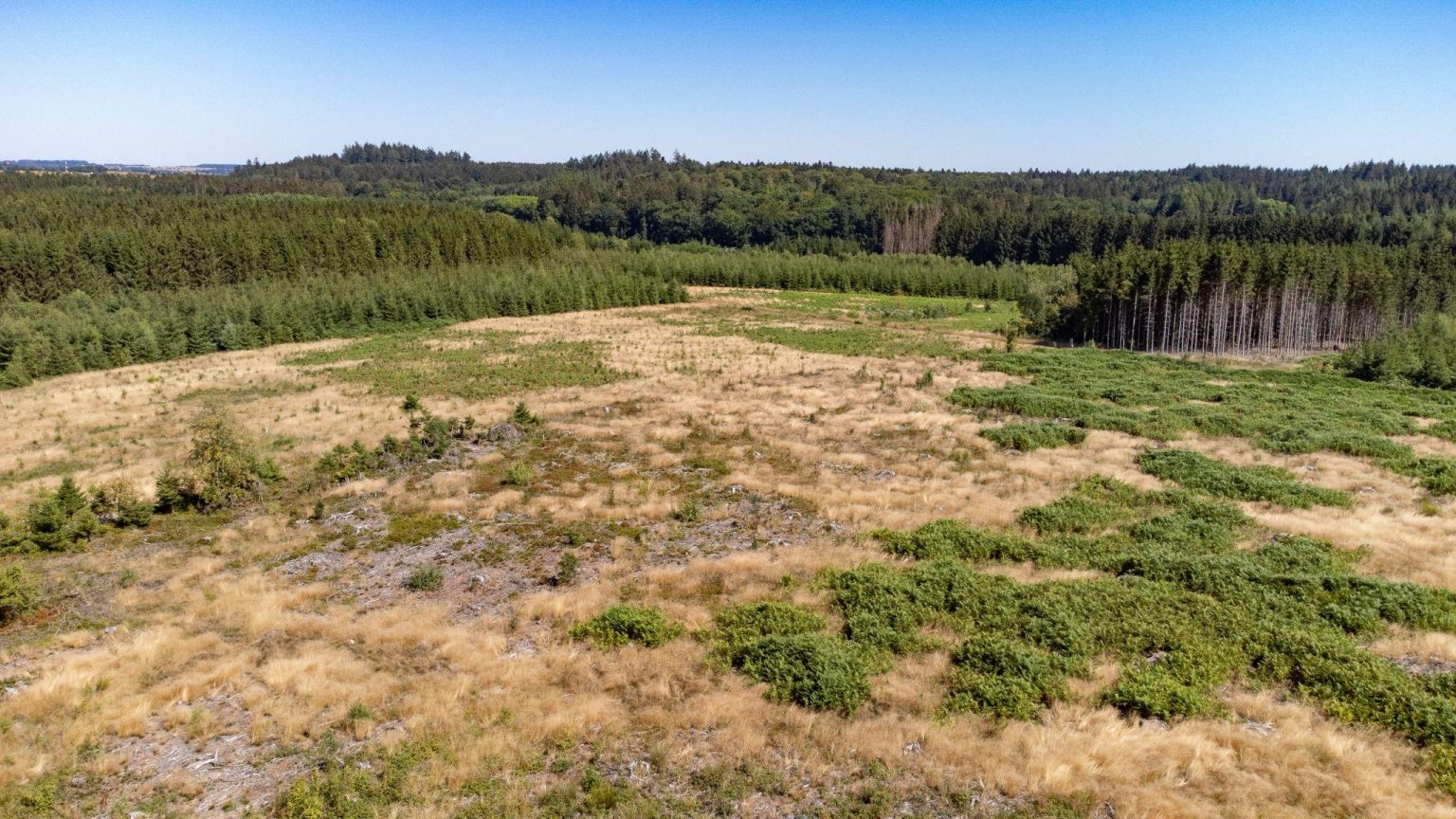
Brussels Environment said in its latest assessment: “After a spring and summer marked by drought and several heatwaves, the start of autumn is also particularly dry.”
The authority added: “Drinking-water supply remains a major point of attention, as does the situation in natural areas.”
Those latest official comments explain why the Brussels drought alert remains in force despite the end of the main summer period.
Water conditions have remained under monitoring
At the previous drought-unit assessment on 10 September, Brussels Environment reported that conditions had improved slightly following rainfall and milder temperatures, but said recent precipitation remained insufficient to normalise the situation. Forecasts from Belgium’s Royal Meteorological Institute were also pointing to generally limited rainfall.
Vivaqua’s drinking-water distribution was operating normally at that stage. Officials were nevertheless monitoring water resources closely, including the flow of the Meuse, which is important to drinking-water production at Vivaqua’s Tailfer facility.
Earlier assessments also found that groundwater levels were falling, although they remained favourable compared with annual averages because of winter rainfall.
Residents urged to continue conserving water
Yellow status is a vigilance measure rather than a general restriction on household water supplies. Authorities are asking people to limit unnecessary use and treat drinking water as a resource requiring careful management.
The regional authorities have stressed that conservation is a collective responsibility involving residents, businesses, sports clubs and public administrations.
The continuing Brussels drought alert therefore signals concern about prolonged dry conditions rather than an interruption to normal water distribution.
Yellow alert will remain under review
Brussels Environment and the other agencies involved will continue assessing drinking-water supplies, rainfall and environmental conditions.
No date has been announced for ending the yellow vigilance phase. Any change will depend on subsequent assessments by the regional drought unit as Brussels moves further into autumn.