Brussels, 22 September, (Brussels Morning Newspaper) – European Union governments remained deadlocked on Tuesday over a Russia sanctions renewal, with Latvia refusing to support a compromise that would remove two prominent businessmen from the bloc’s blacklist while extending restrictions on thousands of other Russia-linked individuals and organisations for three years. Diplomats continued talks in Brussels as the EU faced a deadline to preserve the measures.
Russia sanctions renewal faces Latvia objection
The proposed compromise would remove Russian-Uzbek businessman Alisher Usmanov and businessman Mikhail Fridman from the sanctions list while extending the wider regime for 36 months.
Latvia supports a longer sanctions period but objects to linking that extension to the removal of the two men.
Latvian Prime Minister Andris Kulbergs said: “Extending sanctions for 36 months would be the right step. However, the price for it must not be simply striking both individuals from the sanctions list. Latvia cannot accept such an offer.”
He separately argued that European pressure should increase while Russia continues its war in Ukraine.
France and other states seek changes to blacklist
France joined Slovakia in seeking the removal of Usmanov, while Luxembourg sought Fridman’s delisting, according to Reuters. The dispute has complicated what would otherwise be a routine renewal requiring agreement among all 27 member states.
Ukraine has opposed removing the businessmen. Ukrainian Foreign Minister Andrii Sybiha wrote: “What has changed? Nothing. Delisting is unacceptable and would send the wrong signal to Moscow at a time when pressure needs to increase.”
Ireland, which holds the rotating Council presidency, proposed the three-year compromise as negotiations intensified. Latvia, however, withheld its approval, preventing the unanimity required for the agreement.
EU sanctions include asset freezes and travel bans
The dispute concerns individual restrictive measures targeting people and entities accused by the EU of undermining or threatening Ukraine’s territorial integrity, sovereignty and independence.
The Council of the EU renewed these measures in March until 15 September 2026. At that point, sanctions applied to about 2,600 individuals and entities and included asset freezes, travel restrictions and a prohibition on making funds or economic resources available to listed parties.
The EU’s broader economic sanctions against Russia are separate. Those measures, covering sectors including finance, trade, energy and technology, were extended in June until 31 July 2027.
EU diplomats continue talks in Brussels
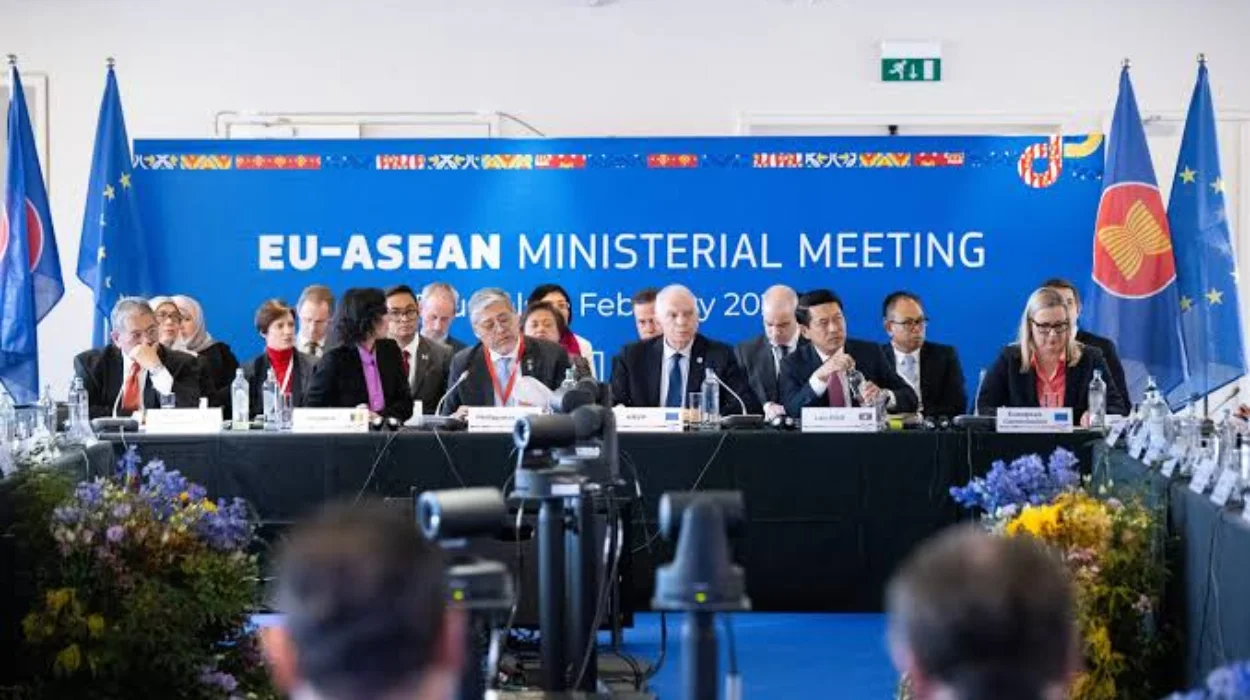
EU ambassadors resumed negotiations on Tuesday after failing to settle the disagreement. Reports indicated discussions would continue later in the day as France and Latvia maintained their positions.
Any final agreement requires unanimous support. The immediate challenge is therefore finding terms that preserve the wider sanctions framework while resolving disagreements over Usmanov and Fridman before the current deadline.