The EU and its member states are being urged to do more to combat poverty in Europe.
The demand is timely as it comes just ahead of International Day for the Eradication of Poverty (17 October).
Approximately 20.9% of the European Union population—about 92.7 million people—was at risk of poverty or social exclusion in 2025
Around 17.4% of EU citizens reported difficulty making ends meet.
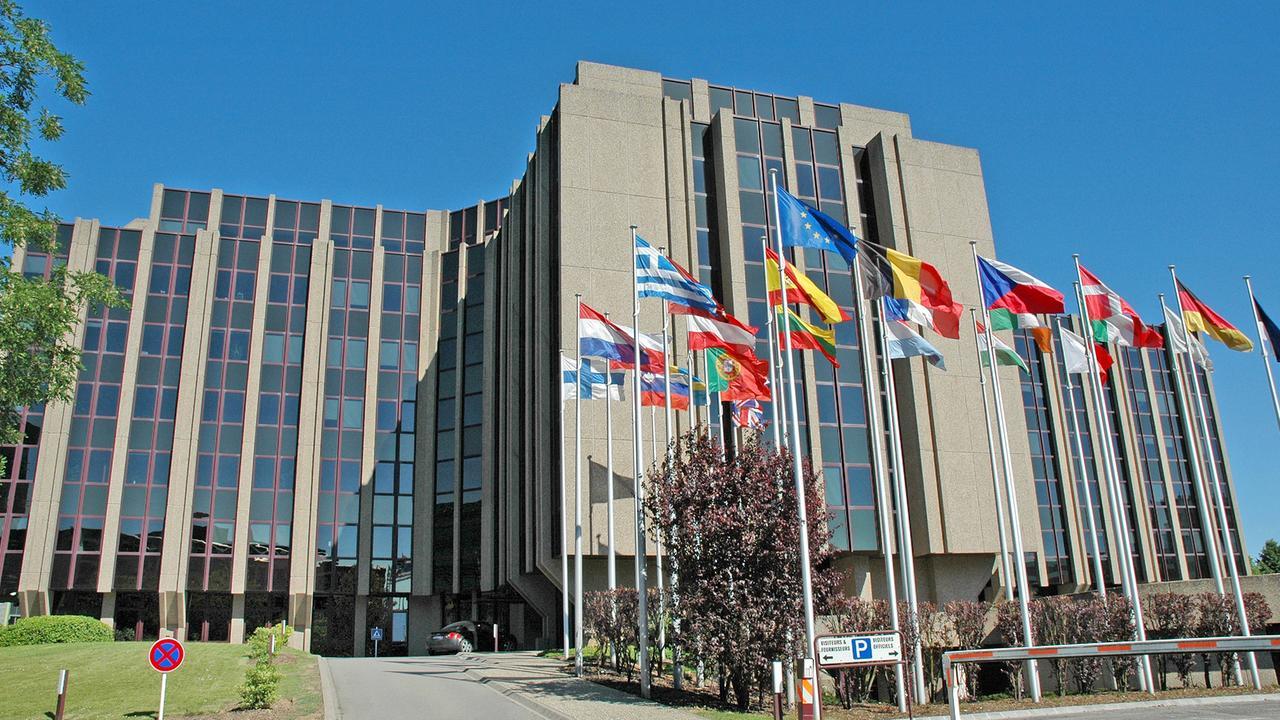
Now, a new study by the European Economic and Social Committee (EESC) highlights what it calls “the intergenerational dimension” of poverty and proposes an “evidence-based definition” of the phenomenon based on ten key drivers.
It analyses how EU policies address these factors and identifies areas where further action is needed, particularly regarding parental education levels and family stability.
It is also published in the context of the European Commission’s first-ever European anti poverty strategy.
This examines how poverty is transmitted across generations and how EU policies can better prevent this cycle.
Comment on Tuesday came from the president of the civil society organisations group at the EESC, Cillian Lohan.
He stated: ‘With this study, we draw attention to the deep-rooted factors that perpetuate poverty over one’s life course and across generations, something we call “Intergenerational poverty”.
Lohan added, “The EU must strongly support Member States’ efforts to combat poverty and ensure that policies reach local communities.
“Civil society, drawing on its longstanding commitment and expertise, stands ready to contribute’.
The study identifies what it calls ten key drivers of intergenerational poverty and analyses how 32 selected EU policy instruments address them.
It also proposes improvements to existing approaches and presents a new research framework that could help EU institutions assess the impact of future legislation on intergenerational poverty from the earliest stages of policy-making.
The findings are particularly relevant as the EU develops its anti-poverty agenda and negotiates its next long term budget
The framework could, says the EESC, help ensure that future investments and reforms are “poverty-proof” and better targeted towards breaking cycles of disadvantage.
The study complements the EESC’s ongoing work on poverty eradication and its contribution to the European Anti-Poverty Strategy.
Separately, figures show that Czechia (11.3%), Slovenia (14.4%), and the Netherlands (15.4%) reported the lowest shares of people at risk.
The highest risk rates are said to be in Bulgaria (29.0%), Greece (27.5%), and Romania (27.4%). These countries recorded the highest shares of poverty or social exclusion.
Children under 18 and young adults aged 18–24 face some of the highest precarity rates.
Individuals with low education levels are roughly three times more likely to face subjective poverty than those with high education.
Data also shows that unemployed individuals experience vastly higher poverty rates (around 42% subjectively poor) compared to employed workers.
Women face a slightly higher average risk of poverty (around 22%) compared to men (20%).