Brussels, 19 September, (Brussels Morning Newspaper) – Belgian researchers are studying Italy’s response to West Nile virus as health authorities across Europe report increased transmission and Belgium records its first locally acquired human infections. Italy’s established surveillance system is being examined as a possible source of lessons for Belgian preparedness.
Belgian Research Examines Italy’s West Nile System
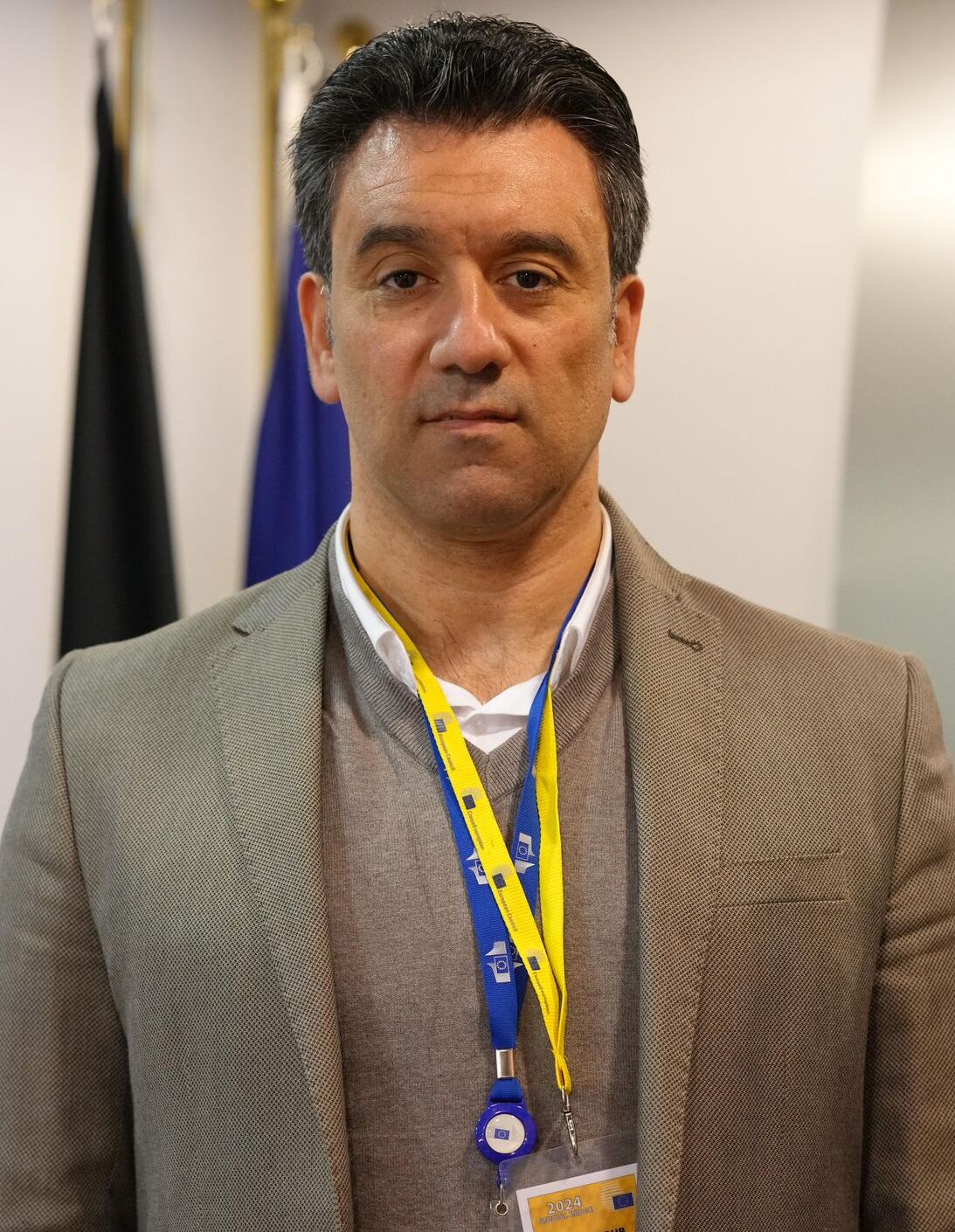
Sciensano scientist Justine Delbecque travelled to Italy’s Istituto Superiore di Sanità (ISS) in Rome from 25 to 29 May 2026 through a European One Health Association programme.
Her work examined how Italy coordinates surveillance and preparedness across human health, veterinary medicine, medical entomology, blood and transplant safety, virology and risk communication. The programme included meetings with specialists at the ISS, Italian Ministry of Health, Lazio regional health authorities and the National Reference Centre for Foreign Animal Diseases.
Describing the visit, Delbecque said she gained “a comprehensive overview of how the National Plan for prevention, surveillance and response to arbovirus (PNA) has been created and is implemented within the Italian context.”
The research is intended to support the development of Belgium’s preparedness planning rather than simply reproduce the Italian system.
Italy Reports 657 Confirmed Cases
The study comes during another significant transmission season in Italy.
Italy’s ISS reported on 17 September that 657 confirmed human infections had been recorded in the 2026 season through 15 September. They included 345 neuro-invasive cases, 224 fever cases and 80 asymptomatic infections identified among blood donors. Authorities had recorded 51 deaths among confirmed cases.
The virus had demonstrated circulation across 82 Italian provinces in 19 regions, according to the latest surveillance data.
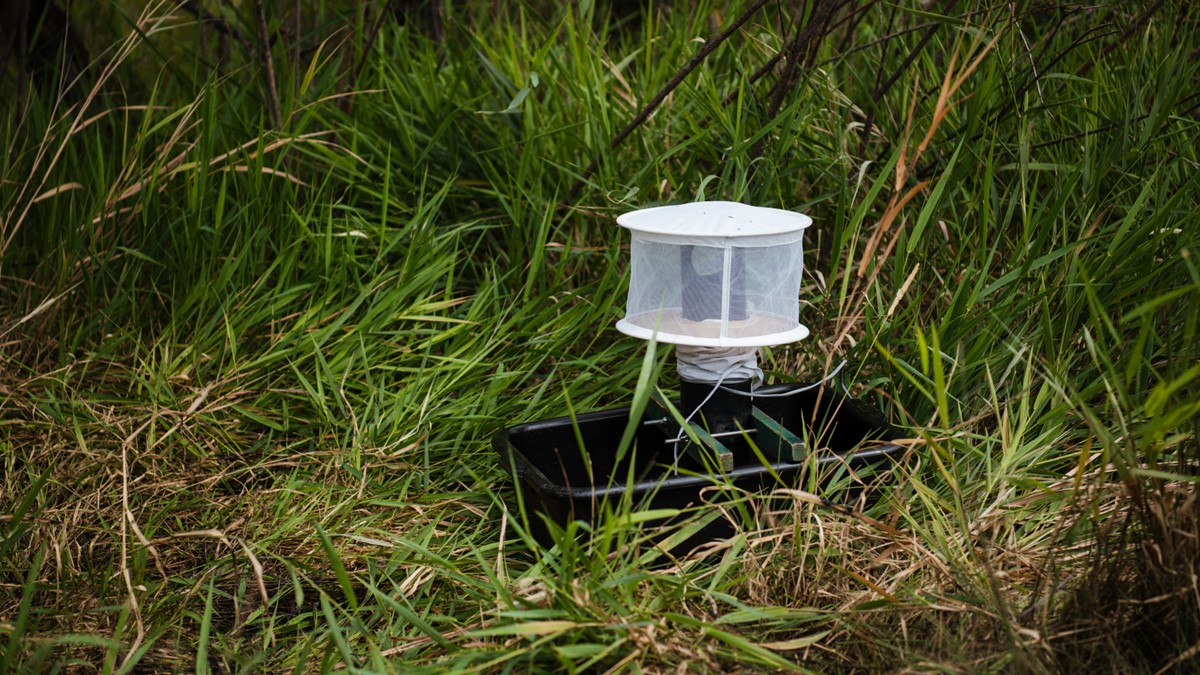
Italy integrates human surveillance with monitoring of animals and mosquitoes, while its system also supports measures designed to protect blood transfusions and organ transplantation.
Researchers Link Warmer Conditions to Transmission
Italian scientists are also examining the relationship between changing temperatures and mosquito activity.
Antonino Bella, a researcher at Italy’s National Institute of Health, said: “Higher temperatures linked to climate change help mosquitoes reproduce and extend the transmission season.”
Bella said warmer conditions can allow transmission to continue as late as November, while areas previously less affected are increasingly recording infections.
A 2025 systematic review of Italian research similarly found a strong association between temperature and transmission, although climatic and environmental factors interact in complex ways.
Belgium Records Nine Local Human Cases
Belgium’s situation has changed rapidly. ECDC’s latest weekly report, published on 18 September using information submitted through 17 September, lists nine locally acquired Belgian cases across four affected areas.
That represents a notable change from ECDC’s 9 September monthly assessment, which reported no Belgian human infections but documented virus circulation among birds and horses across eight areas.
Across Europe, 1,482 locally acquired human infections had been reported by 17 September, including 652 in Italy, 355 in Greece and 114 in Spain.
Belgian Authorities Strengthen Preparedness
The Italian experience provides Belgian researchers with an established model for coordinating human, animal and mosquito surveillance.
Belgium’s emerging human cases make that work increasingly relevant. Continued monitoring will help authorities assess where transmission is occurring and determine how surveillance and public-health measures should respond as the West Nile virus transmission season continues across Europe.