MEPs have adopted a “stronger, coordinated” EU response to narco-trafficking in Europe’s waters.
A resolution adopted on Thursday is hailed as an “urgent step towards a Europe that protects its own waters and law enforcement officers who defend them.”
The resolution addresses the need for improved maritime surveillance, intelligence and enforcement capabilities and focuses on transnational maritime drug trafficking along key trafficking routes.
It sets a clear framework for broad international cooperation, establishing thorough coordinated maritime capabilities.
MEPs say that drug trafficking is “inseparable” from corruption, money laundering and illicit finance.
Drug-trafficking is seen as a global criminal problem and a major threat for security and public health, social justice, and respect for the rule of law across Europe.
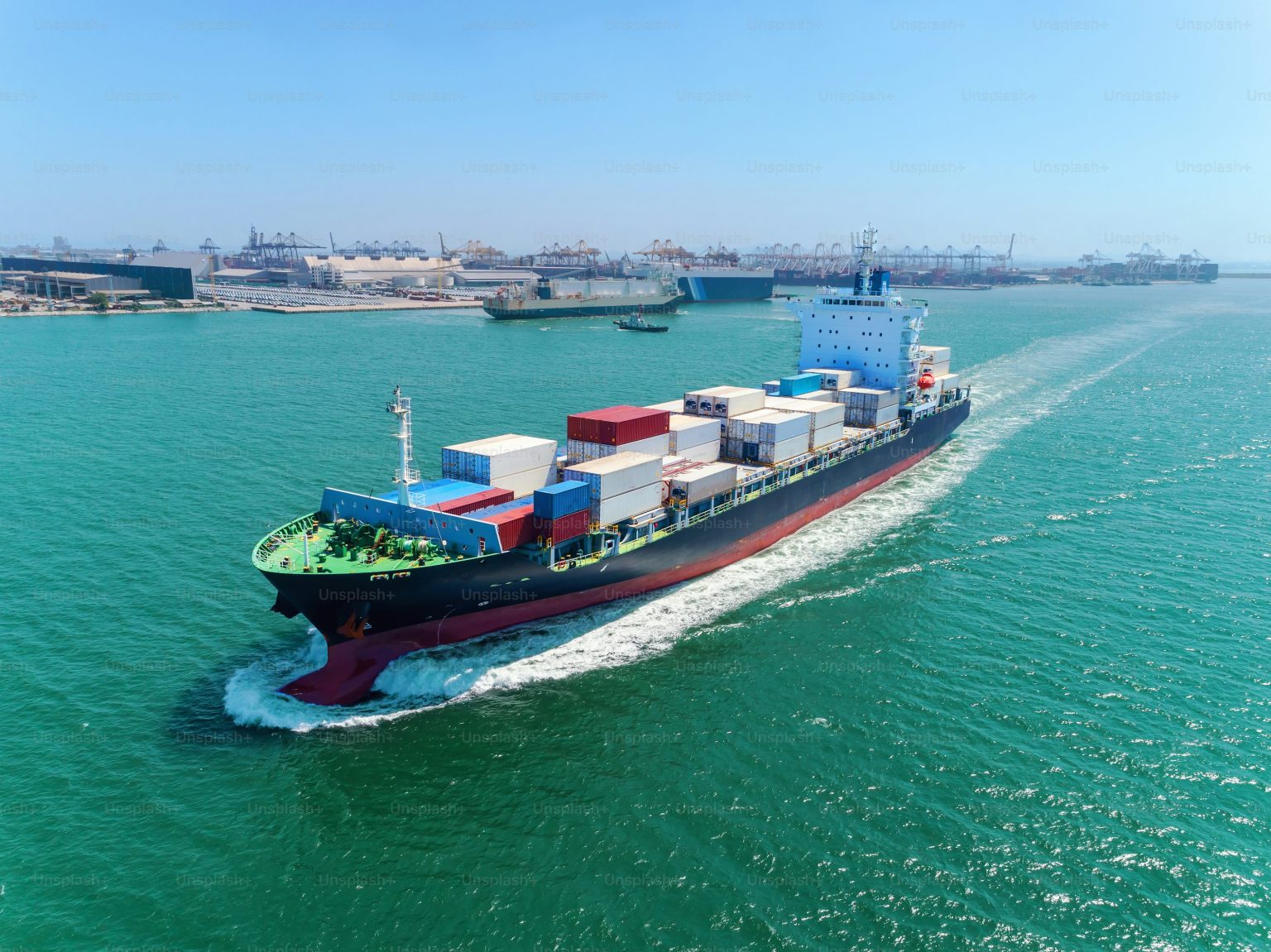
The resolution comes at a moment after record seizures across the Atlantic and the Mediterranean and record numbers became public. Criminal networks operating at sea are getting sophisticated, using go-fast vessels, semi-submersibles, fishing vessels and other methods to evade detection
Liberals and Democrats say they have long called for a new EU sanctions regime and stronger asset seizure and confiscation.
In light of evolving drug markets, the Parliamentary resolution also calls for legal changes to step up judicial and operational cooperation with West Africa and Latin America.
MEPs called on Member States to strengthen the identification, freezing, seizure, and confiscation of assets linked to drug trafficking and organised crime and ensure that criminal proceeds are effectively traced, seized, and ultimately confiscated.
Reaction to the adoption of the resolution was swift with comment coming from Malik Azmani, Renew rapporteur on the resolution.
Speaking after the vote at the Strasbourg plenary, the MEP said, “Drug routes don’t stop at Europe’s borders – and neither should the response. Tackling trafficking means Europe, Latin America and West Africa working as one.”
The deputy added, “This resolution matters for three reasons.
“First, it helps close the gaps in our response and makes it genuinely operational – by establishing thorough coordinated maritime capabilities, enhanced real-time coordination and intelligence-sharing as well as improved operational and judicial cooperation with West African countries to ensure that individuals convicted of serious drug trafficking offences do not evade justice.”
He went on, “Second, it introduces tougher measures against the networks behind this trade- stronger identification, freezing, seizure, and confiscation of assets linked to drug trafficking and organised crime to ensure that criminal proceeds are effectively traced and ultimately confiscated.”
He added, “And third, it doesn’t stop at enforcement – it calls for real investment in prevention.”
He said, “You can’t fight drug trafficking without following the money- that’s why this resolution backs a new EU sanctions regime, with asset freezes, fund bans and travel bans, and why we’re calling for stronger asset seizure and confiscation right across the Union.”