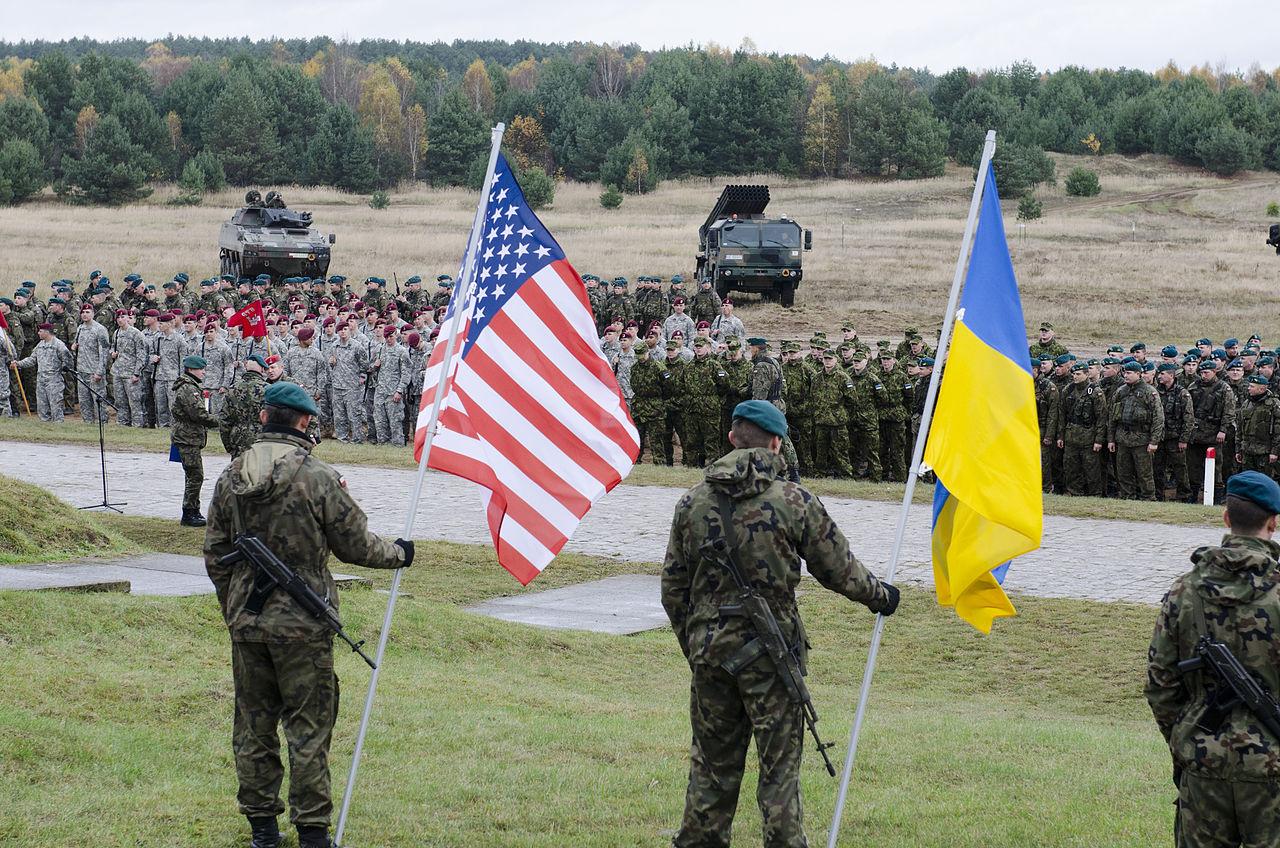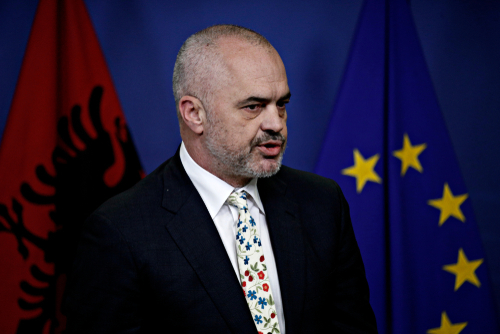
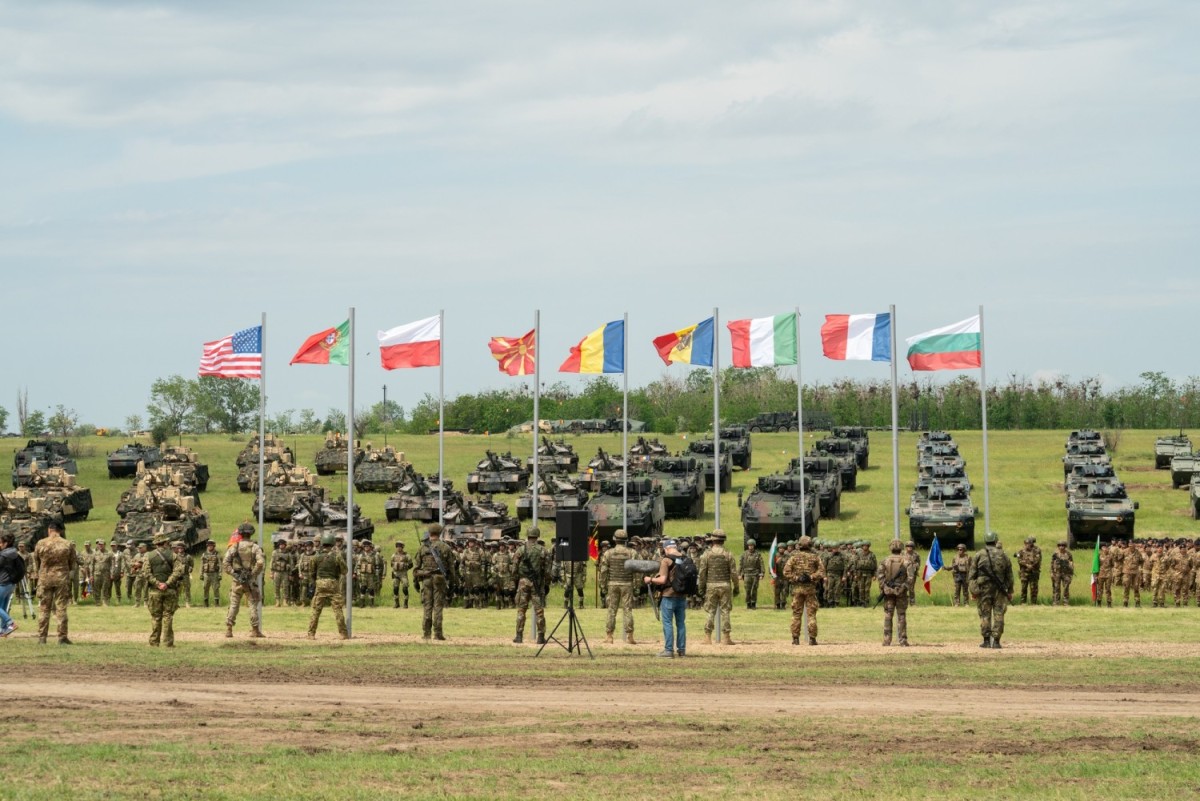
Constanta, Romania, 17 September (Brussels Morning Newspaper) – Trump NATO pressure is reshaping European defence planning as governments increase military spending, strengthen domestic weapons production and prepare to assume greater responsibility for regional security while the United States reviews its military posture across Europe.
The changes are raising questions about the future balance of responsibility within NATO rather than signalling an immediate rupture. The United States maintains a substantial military presence in Europe, while European allies are committing considerably more resources to defence.
European NATO Members Increase Defence Spending
NATO leaders agreed at the 2025 Hague summit to work towards spending 5% of gross domestic product annually on defence and security-related requirements by 2035.
The commitment includes at least 3.5% of GDP for core defence requirements and up to another 1.5% for areas including critical infrastructure, resilience and strengthening the defence industrial base.
Russia’s war against Ukraine remains a central security concern for European governments. President Donald Trump has also repeatedly pressed NATO members to carry a larger share of the alliance’s financial and military burden.
At NATO’s July 2026 Ankara summit, the alliance said European members and Canada had increased core defence investment by more than $139 billion since the Hague commitment.
US Military Presence in Europe Remains Substantial
The United States continues to provide significant military capabilities across Europe despite uncertainty about Washington’s longer-term force posture.
Reuters reported on 17 September that more than 81,000 US military personnel were stationed in Europe. Washington has also continued investing in strategically important installations, including Mihail Kogalniceanu Air Base in Romania.
The Pentagon is reviewing the deployment of American forces across the continent. Reuters reported that a reduction of roughly 25,000 personnel had been considered, although no such reduction had been confirmed.
Any significant change in US deployments could require European governments to assume additional responsibilities currently supported by American forces.
NATO Reaffirms Its Collective Defence Commitment
NATO leaders have maintained that greater European responsibility can strengthen collective defence rather than weaken the alliance.
Following the Ankara summit, NATO Secretary General Mark Rutte said: “We are rebalancing our security for the better, and that is what NATO 3.0 is all about.”
NATO members also reaffirmed their commitment to Article 5, which establishes that an armed attack against one member is considered an attack against all.
The collective-defence guarantee remains the central security commitment binding NATO’s 32 members.
European Governments Expand Defence Capabilities
Trump NATO pressure is also influencing European decisions about military procurement and defence production.
Reuters reported that at least eight NATO countries were examining ways to reduce reliance on US weapons, technology or defence companies.
European governments are simultaneously increasing investment in ammunition, drones, missiles, air defence and other military capabilities.
The European Union’s Readiness Roadmap 2030 also seeks to address military capability gaps, increase joint procurement and expand Europe’s defence industrial capacity.
NATO Burden-Sharing Enters a New Phase
The changes could alter a transatlantic security structure that has relied heavily on American military capabilities for decades.
Higher European spending gives NATO members additional resources for forces, equipment, infrastructure and weapons production. Greater European capability could also allow countries to respond to regional security threats with less dependence on Washington.
At the same time, efforts to develop greater military independence reflect uncertainty among some European governments about the durability of US commitments.
The central question is therefore how the alliance adapts as Europe becomes more capable of providing for its own security while remaining dependent on important American military assets.
Pentagon Review Could Shape NATO Deployments
The Pentagon’s review of US forces in Europe will be closely watched for potential changes to American troop deployments.
European NATO members must also demonstrate progress towards the defence spending commitments agreed at The Hague. The trajectory towards the 2035 spending target is scheduled for review in 2029.
For now, NATO’s formal collective-defence structure remains intact. US troops remain deployed throughout Europe, Article 5 remains in force and European governments continue expanding their military capabilities.
The longer-term result will depend on decisions made in Washington and European capitals as NATO adjusts to a larger European role in financing and providing the continent’s defence.