Rasuwa District, Nepal, 4 September (Brussels Morning Newspaper) – Two hydropower workers have been pulled alive from a tunnel nine days after catastrophic flooding and a mudslide devastated Nepal’s Trishuli River valley, offering new hope to families awaiting news of people still missing. The Nepal tunnel rescue operation continues as emergency teams search damaged hydropower facilities for further survivors.
The men were identified as Sanjay Sah, a mechanical foreman, and Kabir Maharjan, a mechanical supervisor at the Upper Trishuli 3A Hydropower Station. Nepal’s energy minister’s office confirmed their identities after rescuers reached them on Friday.
Maharjan was reported unable to move his arms and legs after being brought out, while Sah’s injuries were not considered critical, according to an aide to Energy Minister Biraj Bhakta Shrestha cited by Reuters. Both men were being taken to hospital in Kathmandu for treatment.
Why were the workers trapped for nine days?
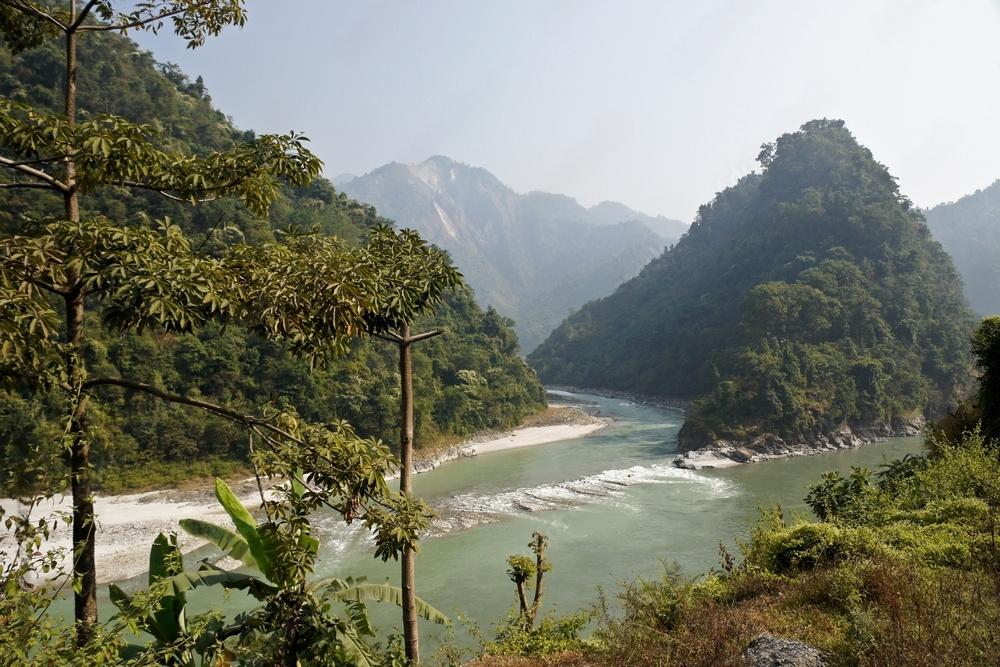
Officials and rescue workers believe the disaster began on 26 August when a glacier collapsed in the upper reaches of the Trishuli River. The resulting surge of ice, rock, water and mud swept through the valley, destroying communities and severely damaging hydropower infrastructure.
At least 1,252 people have been killed in Nepal, while more than 4,200 remain missing, according to figures reported by Reuters. Tens of thousands have been displaced. Officials believe at least 900 people were trapped in tunnels connected with six hydropower projects along the river.
Nepalese public broadcaster Radio Nepal reported that rescuers had established two-way communication with people inside the Trishuli-3A tunnel before the two men were brought out. Nepal Army and Armed Police Force personnel remain involved in the search.
What does their survival mean for continuing rescue efforts?
The successful Nepal tunnel rescue has strengthened hopes that other people could have survived underground where sections of tunnels escaped the worst of the flooding.
Kabir Maharjan’s brother Amir described his family’s reaction after learning of the rescue. He told Reuters: “The entire family is very happy.”
The two workers are the first people reported rescued from the affected hydropower projects since the disaster, according to Reuters. Their survival after nine days gives emergency crews an important indication that searches of accessible tunnel sections remain critical.
The disaster has also caused extensive economic damage. Nepal’s National Disaster Risk Reduction and Management Authority has estimated losses to property, housing and infrastructure at about 387.5 billion Nepalese rupees, equivalent to roughly $2.56 billion.
What happens next for those still trapped?
Search teams are continuing efforts to reach other people who may remain inside hydropower tunnels. Radio Nepal reported that Nepal Army and Armed Police Force teams were searching for additional survivors after Sah and Maharjan were brought to safety.
The immediate priority remains finding survivors while medical teams treat those rescued and authorities assess the enormous damage across the Trishuli valley.
With thousands of people still officially missing, the rescue operation and recovery effort are expected to remain the focus for Nepalese authorities as devastated communities seek information about relatives and begin confronting the longer-term task of rebuilding homes, roads and essential infrastructure.