Nashville, Tennessee, 26 August (Brussels Morning Newspaper) – The Dolly Parton life story has long been inseparable from the songs she writes: an upbringing in poverty in Tennessee’s Smoky Mountains, an early determination to perform and a career that ultimately made her one of country music’s most recognisable figures.
Parton was born Dolly Rebecca Parton on 19 January 1946 in Locust Ridge, Tennessee, the fourth of 12 children. The Country Music Hall of Fame says the family lived in a remote cabin without plumbing or electricity, while the Library of Congress records Parton’s own description of her upbringing: “I grew up poor – very poor.”
Mountain hardship shaped the songs
Music provided a constant presence despite the family’s financial hardship. Parton’s mother sang and passed traditional songs to her children, while her uncle Bill Owens encouraged Dolly’s ambitions and helped her enter the music business.
Her childhood later became material for some of her most personal songwriting. “Coat of Many Colors”, released in 1971, recalled a coat her mother made from scraps of fabric and the humiliation Parton experienced when other children mocked it at school. The Library of Congress later added the recording to the National Recording Registry.
Ambition carried Parton towards Nashville
Parton was performing on Knoxville radio and television by the age of 10 and appeared at the Grand Ole Opry at 13. After finishing high school in 1964, she headed for Nashville to pursue music professionally.
That determination was something Parton later described explicitly. Speaking to Rolling Stone in 1977, she said: “I wanted to be free. I had my songs to sing, I had an ambition and it burned inside me.”
The Dolly Parton life story subsequently became one of country music’s defining stories of artistic self-determination.
Songs turned struggle into lasting success
Parton secured her first solo country No 1 with “Joshua” in 1971. “Jolene”, “Love Is Like a Butterfly” and “I Will Always Love You” followed as No 1 country songs in 1974. Her move towards pop broadened her audience, while films including 9 to 5 extended her career beyond Nashville.
Whitney Houston’s recording of “I Will Always Love You” later brought Parton’s songwriting to another global audience. Parton was inducted into the Country Music Hall of Fame in 1999.
Success returned to her Tennessee roots
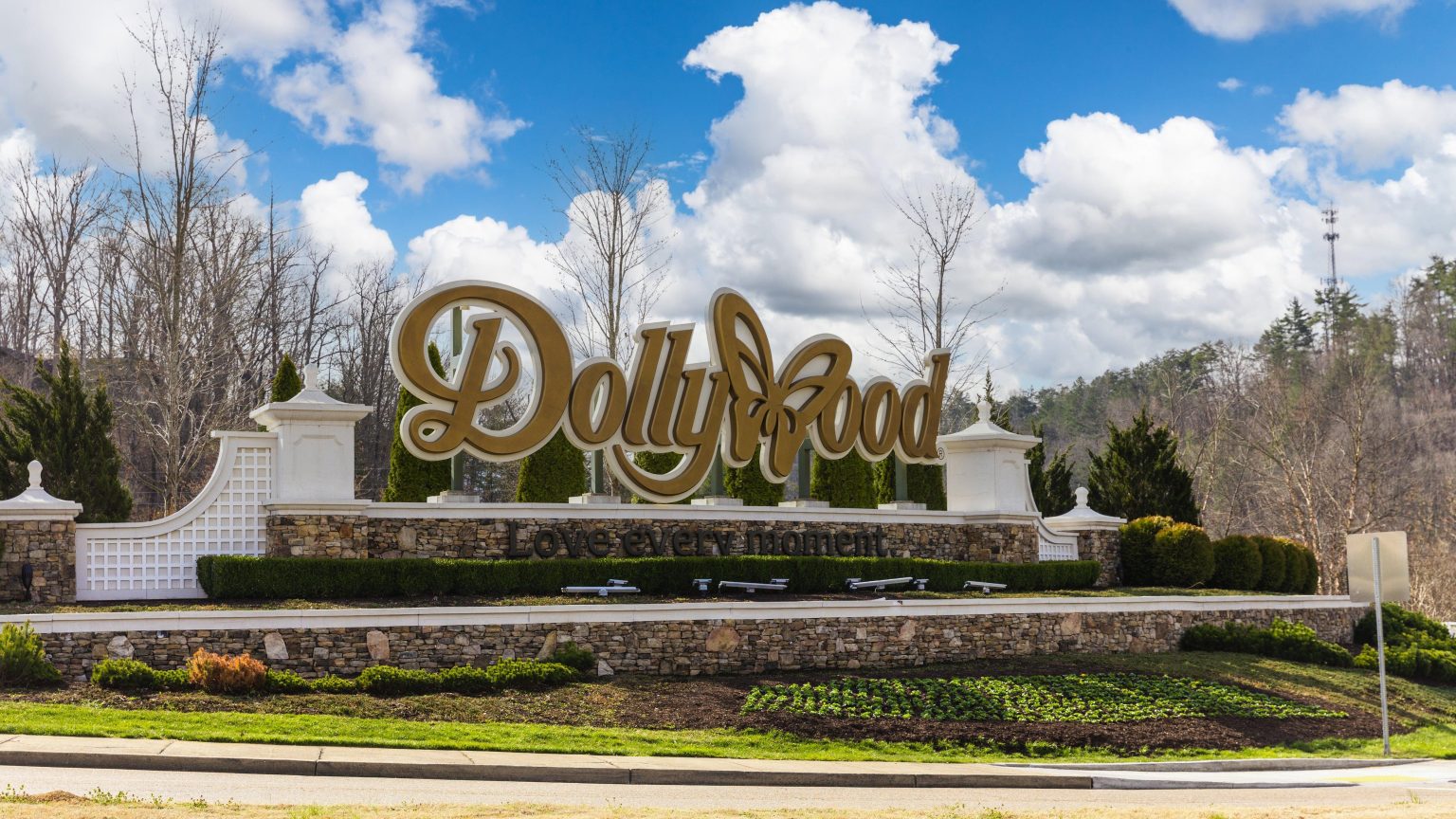
Parton’s achievements eventually extended well beyond recordings. Dollywood became a major East Tennessee attraction, while her Imagination Library grew from a local literacy programme established in Sevier County in 1995 into an international initiative. The programme was created partly to honour her father, who never learned to read or write.
Her autobiography, Dolly: My Life and Other Unfinished Business, published in 1994, also gave Parton an opportunity to tell the story herself, including her poverty, marriage, faith, music and carefully constructed public image.
A career built on remembering where she began
The Dolly Parton life story remains central to how her work is understood because she repeatedly transformed experiences from childhood into songs, business decisions and philanthropy.
That journey is currently being examined by the Country Music Hall of Fame and Museum in Dolly Parton: Journey of a Seeker, an exhibition running until September 2026 and focusing on pivotal moments across more than six decades of her career.
Parton said of the exhibition: “This seeker is very proud and honored, and I hope you enjoy my journey. I will always love you.”