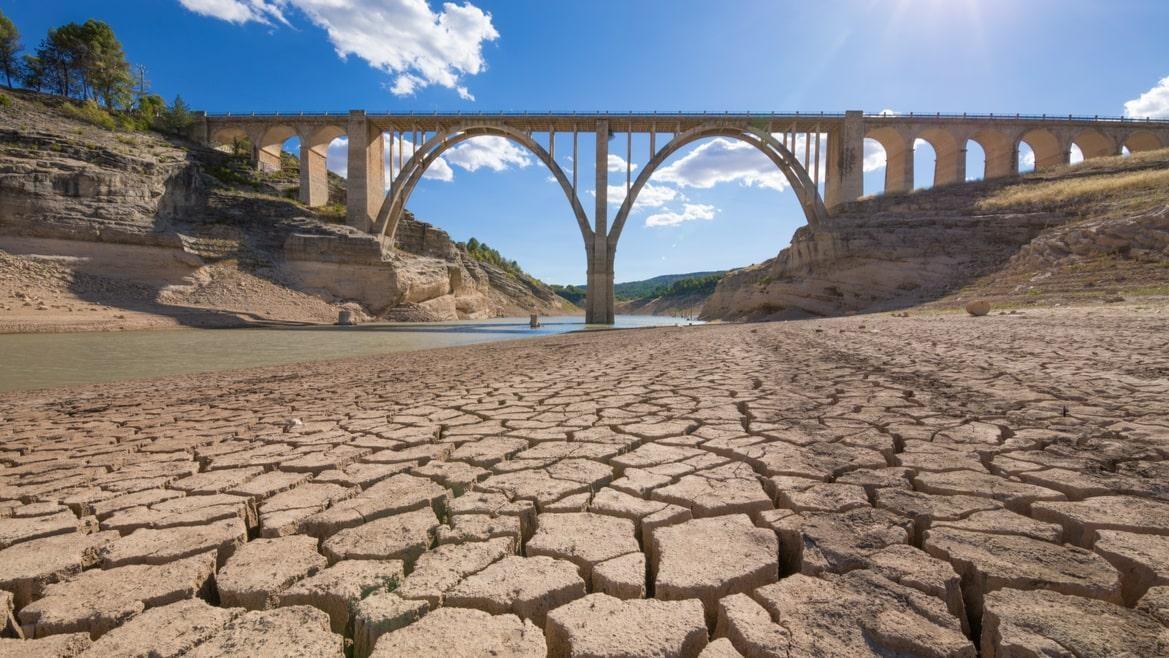
Brussels, Belgium, 25 August (Brussels Morning Newspaper) – European governments face growing pressure to act earlier and more proactively against EU climate risks, as extreme heat, drought, wildfires and flooding increasingly threaten public health, infrastructure and economic activity across the continent.
The challenge has become particularly visible during successive hot summers. European authorities have increasingly shifted their focus from responding after disasters occur towards prevention, preparedness and long-term adaptation.
Extreme heat adds to Europe’s disaster risks
The European Commission has warned that climate-related hazards are becoming more severe and that prevention must form a larger part of Europe’s response.
In a March 2026 communication on integrated wildfire risk management, the Commission said the area burned across the EU in 2025 exceeded one million hectares — larger than Cyprus. It also said the Union Civil Protection Mechanism was activated more frequently than ever to provide assistance.
The Commission noted that the size and intensity of wildfires are increasing and that areas historically considered less vulnerable are also facing greater danger.
Extreme temperatures pose a separate and significant public-health threat. Heatwaves can increase pressure on hospitals and emergency services while placing older people, young children, outdoor workers and people with existing health vulnerabilities at particular risk.
Authorities urged to prioritise prevention
Managing EU climate risks increasingly involves measures taken before emergencies occur, including early-warning systems, resilient infrastructure, heat-health planning, water management and improved wildfire prevention.
The European Commission’s wider climate-risk policy has stressed that climate-related damage is linked not only to hazardous events but also to the level of preparation and risk reduction undertaken by governments.
Recent research also points to significant infrastructure exposure. A 2026 study published in Natural Hazards and Earth System Sciences found that Europe’s transport networks face increasing exposure to heatwaves, drought, wildfires and flooding, with heat representing one of the most substantial future challenges.
European Commission calls for stronger resilience
The Commission’s wildfire strategy states that traditional firefighting alone cannot address some of the increasingly large and intense fires Europe faces.
Its approach calls for integrated risk management covering prevention, preparedness and response rather than relying primarily on emergency intervention once fires have started.
That policy direction reflects a wider effort to make climate adaptation part of decisions involving public investment, land use, infrastructure and emergency planning.
Climate adaptation becomes an economic issue
The consequences extend beyond environmental policy. Extreme heat and drought can disrupt agriculture, energy production, transport and supply chains, while wildfires and floods can damage homes, businesses and public infrastructure.
Reuters reported earlier this month that unusually high temperatures and drought were already affecting European food production, waterways and supply chains, adding climate pressures to the economic challenges facing governments and businesses.
Reducing EU climate risks therefore increasingly involves finance, health, transport and economic policy alongside traditional civil-protection measures.
Why faster action matters
Greater emphasis on prevention could reduce both human and financial losses by allowing authorities to identify vulnerable communities and infrastructure before emergencies develop.
Local and national governments remain central to implementing measures such as cooling plans, vegetation management, flood protection, emergency communications and infrastructure upgrades.
European-level coordination remains important when disasters exceed national response capacity, particularly during simultaneous wildfires or other major emergencies affecting several countries.
What happens next for European climate resilience?
The European Commission is developing a broader European climate resilience and risk-management framework aimed at strengthening how member states prepare for worsening climate impacts.
Future policy is expected to place increasing emphasis on integrating climate resilience into investment and planning decisions.
For European policymakers, the direction is increasingly clear: preparation for extreme heat and other climate-related hazards must take place before an emergency develops, rather than relying principally on disaster response afterwards.