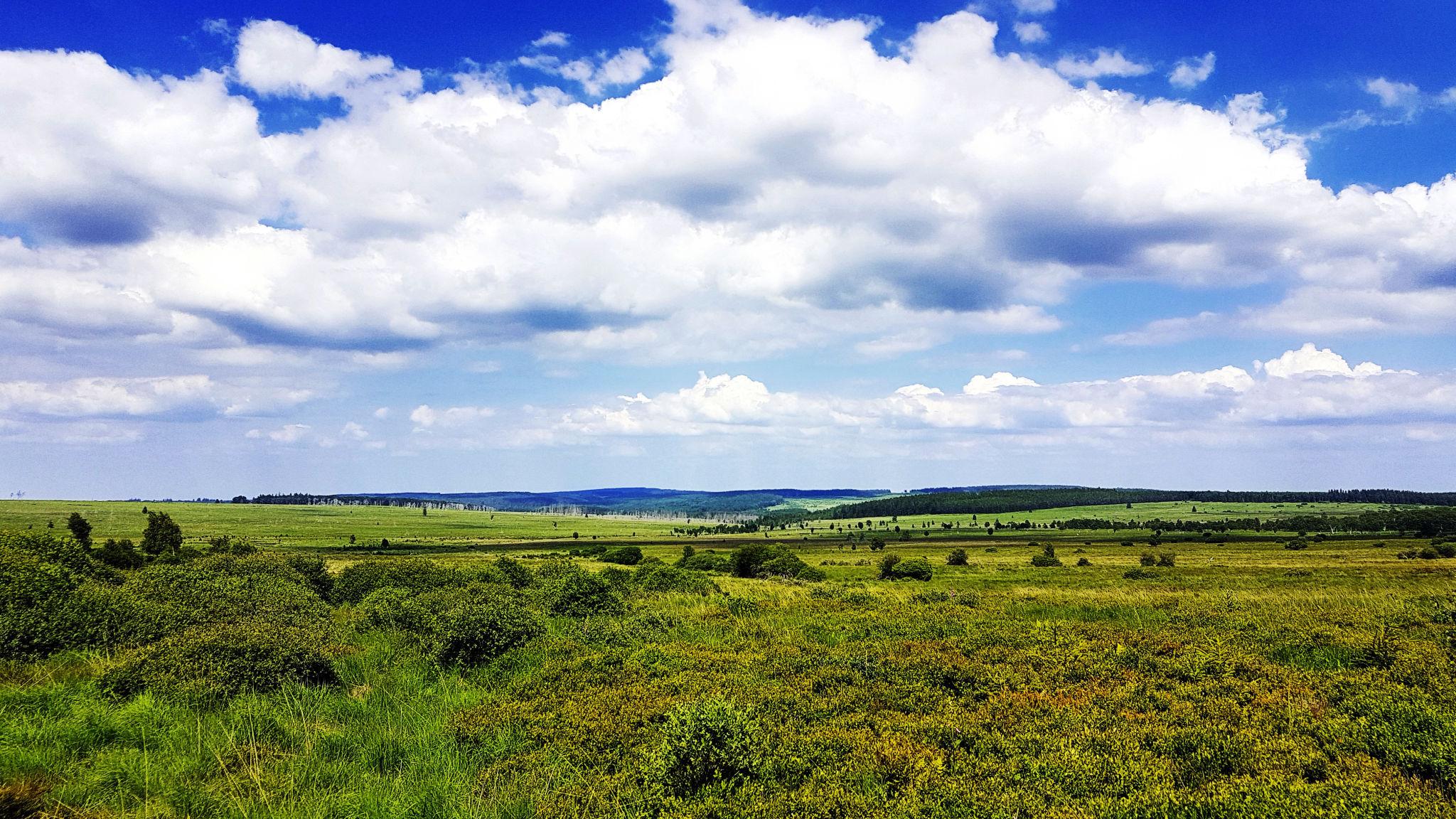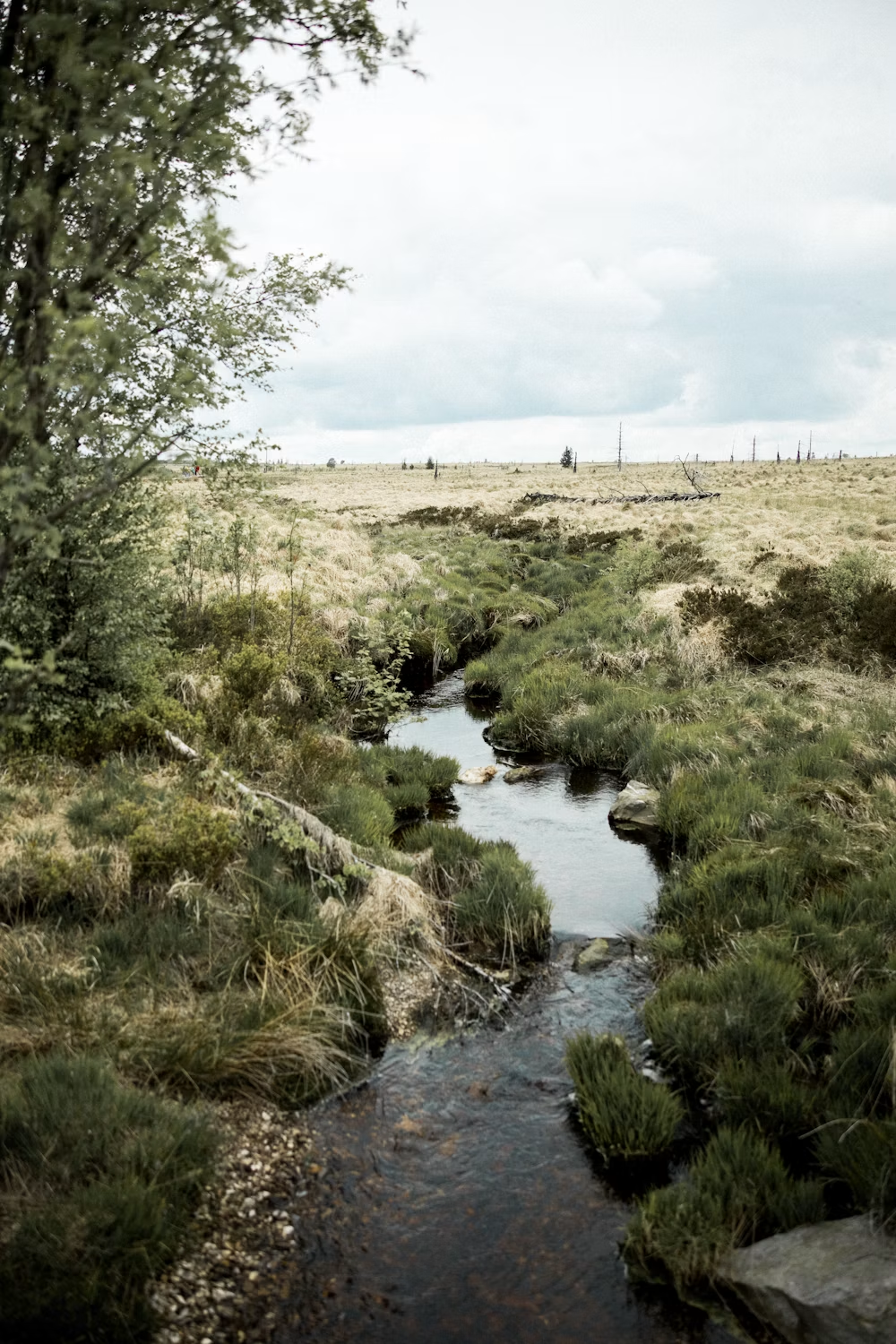
Brussels, 19 August (Brussles Morning Newspaper) Belgium is confronting uncomfortable questions over its ability to deal with major wildfires after a record blaze tore through about 3,000 hectares of the High Fens nature reserve, exposing weaknesses that researchers had warned about months earlier. The Belgium wildfire response has relied on hundreds of personnel and European aerial assistance as crews battle a type of emergency the country has historically faced far less often than southern Europe.
The fire, which began on Friday, became Belgium’s largest recorded wildfire, surpassing the roughly 1,400-hectare Baelen fire of 2011. At its height, the High Fens operation involved firefighters, soldiers, farmers and aircraft supplied through European assistance. Dutch helicopters also joined the effort.
Rain has since helped crews, but the emergency is not over. Authorities have warned that fire has penetrated peat, where it can continue smouldering underground long after flames disappear from the surface.
Belgium was warned about wildfire weaknesses months ago
The scale of the High Fens fire is striking because many of the problems now confronting emergency services had already been identified.
A Belgian Wildfire Network report published in March described the country’s governance as fragmented and its specialist wildfire expertise as limited. Researchers from Ghent University and the University of Liège said responsibilities, resources and ownership were scattered across numerous agencies, services and ministries at national and regional level.
The report warned that longer droughts, urbanisation and forest degradation were creating conditions for larger fires that are harder to control.
Belgium’s dense mix of homes, infrastructure and natural areas adds another complication. Researchers identified limited public awareness alongside fragmented decision-making as factors increasing the country’s vulnerability.
Limited resources become critical when fires grow
The High Fens emergency has demonstrated why access to specialist equipment matters.
Belgium required international aerial assistance as the fire expanded. The EU sent additional aircraft and helicopters after Belgium requested help, while Dutch helicopters supported operations.
That European safety net is important, but the underlying challenge is broader than simply having aircraft available.
Researchers behind the March assessment called for common approaches to wildfire data collection, danger and fuel assessments, training and public awareness. They also argued for stronger cooperation between equivalent agencies in Flanders, Wallonia and Brussels rather than separate systems being developed independently.
The concern is that fragmented arrangements could complicate communication and make inefficient use of already limited resources.
Official research called for a national approach
The Belgian Wildfire Network emerged after wildfire specialists and other stakeholders were brought together in autumn 2025.
Its assessment was unusually clear about the administrative problem facing the country: creating national priorities is difficult when responsibility is divided between different authorities.
The researchers called for scientifically supported and integrated wildfire management across Belgium, with policies aligned where possible with neighbouring countries facing similar risks.
A separate federally funded project, BELWIDAS, is now working to improve Belgium’s wildfire data collection and analysis. Ghent University says standardised and reliable procedures have been lacking, limiting the evidence available for risk assessment, prevention and warning systems.
Why the High Fens fire changes the debate
Belgium has never experienced wildfire risk on the same scale as Mediterranean countries, but its risk profile is changing.
Longer droughts and hotter conditions are making severe fires possible in places once considered relatively protected. The High Fens blaze has turned that longer-term warning into an immediate national issue.
For residents, the consequences include evacuation risks, smoke and threats to homes and infrastructure. For emergency services, larger incidents can quickly stretch personnel and specialist resources.
The Belgium wildfire response is therefore becoming a test not only of firefighting capacity, but of whether federal and regional authorities can work together quickly enough when an emergency crosses administrative boundaries.
What happens next?
Crews will continue monitoring the High Fens, particularly areas where peat may continue to smoulder. The cause of the fire is also being investigated.
Beyond the immediate emergency, attention is likely to focus on whether recommendations made before the blaze lead to practical changes in training, coordination, monitoring and equipment.
The central question for Belgian authorities is now difficult to avoid: warnings about the country’s wildfire vulnerability were already on the table. The High Fens fire has shown what those warnings can mean when extreme conditions become reality.