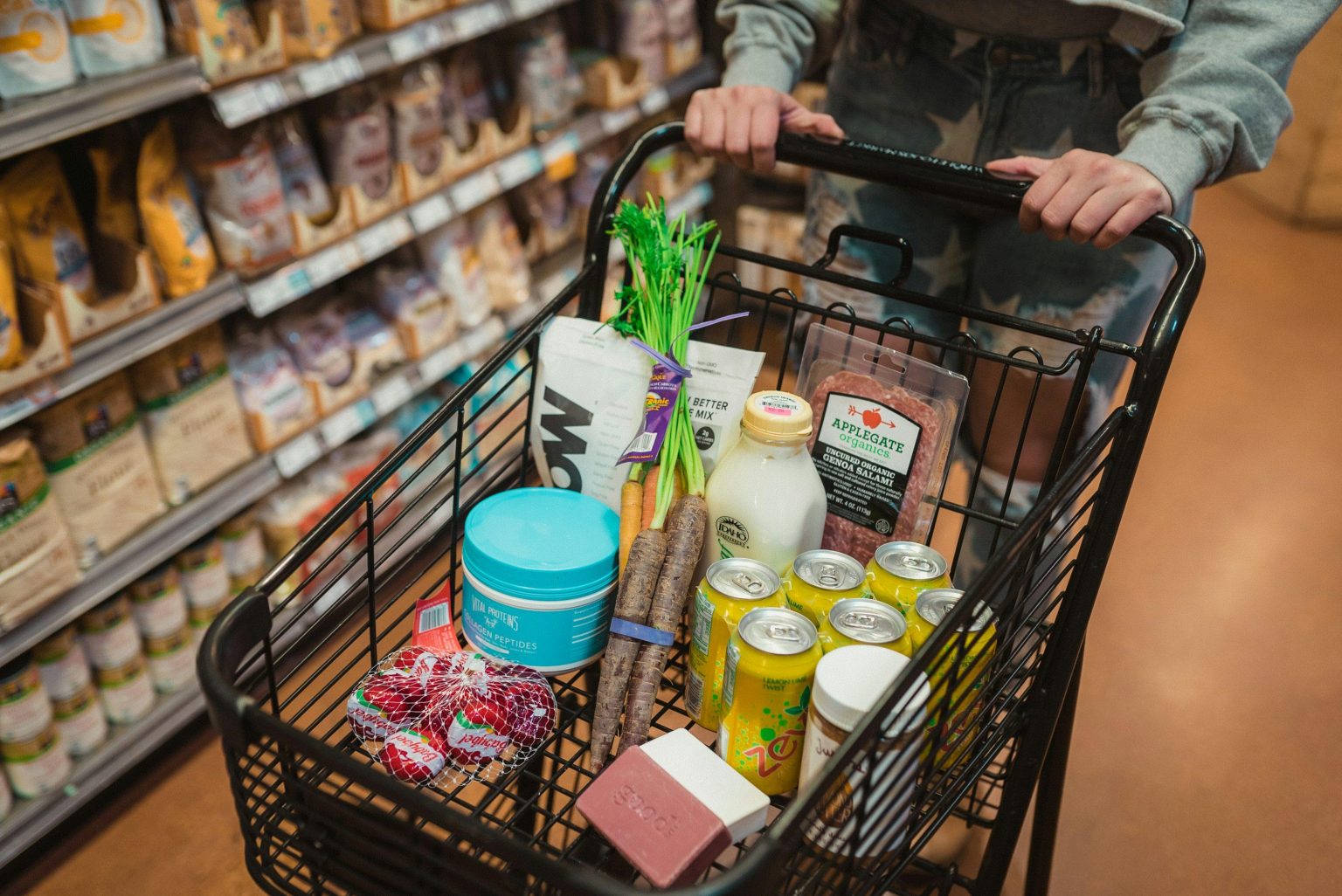
London, 18 August (Brussles Morning Newspaper) UK grocery inflation has fallen to 2.1%, its lowest level since October 2024, bringing some welcome relief to households still watching every pound at the supermarket checkout. New figures from Worldpanel by Numerator show food price growth slowed for a fifth consecutive month in the four weeks to 9 August.
Grocery inflation continues its steady fall
The latest reading marks another clear step down in supermarket price pressures. Like-for-like grocery inflation stood at 2.6% in Worldpanel’s previous report and at 3.0% in the one before that.
That downward run matters because food remains one of the household expenses consumers notice most. Prices are not generally returning to their old levels; rather, the speed at which they are rising has slowed considerably.
Worldpanel’s figures, which provide one of the earliest snapshots of British shopping behaviour each month, showed take-home grocery sales rising 2.5% year-on-year over the latest four weeks.
Shoppers spent an average of £410 on groceries during the period, £14.24 less than in the preceding four weeks, according to Worldpanel.
Shoppers are still hunting for supermarket deals
The easing in UK grocery inflation has not stopped consumers looking for bargains.
Almost a third of grocery spending — 31.3% — involved a promotion during the latest four-week period. That is the highest share recorded so far this year and suggests value remains central to how households decide what goes into their baskets.
The picture is notably different from the warnings heard earlier in 2026. Food industry forecasts had raised the possibility of a much sharper acceleration in prices following disruption to energy and commodity markets.
Instead, strong competition between supermarkets, shoppers’ reluctance to accept further price increases and better hedging by suppliers have helped keep the pressure down. Retailers have also been cutting costs as they fight to protect market share without passing every increase in operating expenses on to customers.
Hot summer changes what Britain is buying
August’s figures also reveal how the prolonged hot weather has changed shopping habits.
Sun cream sales jumped 58.4% compared with a year earlier, while spending on ice cream and sorbet climbed 26.1%. Worldpanel also reported strong demand for other summer favourites as households made the most of the warmer conditions.
The figures underline how quickly weather can reshape supermarket sales even when the wider focus remains on prices and household budgets.
Tesco leads as Lidl and Ocado grow strongly
Competition between Britain’s major grocers remains intense.
Tesco retained its position as the country’s largest supermarket group. Its sales increased 1.8% year-on-year over the 12 weeks to 9 August, although its market share slipped for a third consecutive reporting period.
Sainsbury’s recorded sales growth of 3.5%, while Lidl increased sales by 8.5%.
Online supermarket Ocado grew by 13.1%. Marks & Spencer, which is not fully included in Worldpanel’s conventional grocery market-share calculations, recorded a 15.9% increase in grocery sales.
Asda’s sales fell by 0.2%, but that was still its strongest performance since March 2024.
Lower food inflation brings relief, but risks remain
For households, the latest UK grocery inflation figure is encouraging, particularly after several years in which the cost of an ordinary food shop became a central part of Britain’s cost-of-living squeeze.
But slower inflation is not the same as cheaper food. Many families are still paying considerably more for groceries than they did before the inflation surge of recent years.
There are also reasons for caution. Energy prices, extreme weather, agricultural conditions and disruption to international supply chains can quickly feed back into food production and transport costs. Britain’s drought has already emerged as one potential risk to food prices next year.
What happens next for UK food prices?
Attention now turns to the Office for National Statistics, which is due to publish official UK inflation data for July on Wednesday. Unlike Worldpanel’s supermarket-focused measure, the ONS figures will provide a broader picture of price pressures across the economy.
For shoppers, however, the direction of travel at supermarket tills is becoming clearer. Food prices remain elevated, but after five months of easing grocery inflation, the pressure on household shopping bills is no longer building at the pace seen earlier in the year.