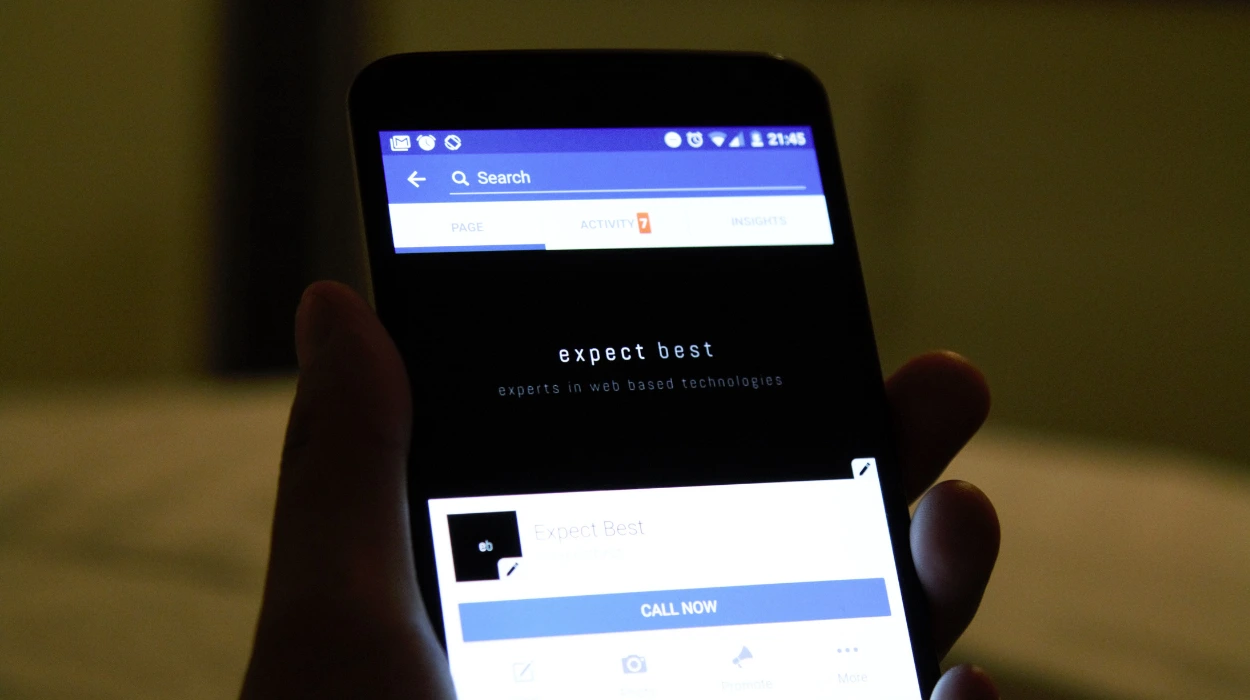
Sint-Niklaas (Brussels Morning Newspaper) – The Sint-Niklaas police department deactivated the comment function on its Facebook page due to a flood of “inappropriate and offensive” comments, which had to be deleted manually, The move came after several postings that received many negative and insulting comments which were all removed manually.
Disabling of comments under posts by Sint-Niklaas Local Police will begin from today. As per the police authorities, this step is needed as offensive and insulting remarks are coming up on a more regular basis, but in case someone has any query, he or she can get in touch with them through Messenger or website.
The Police do not have enough time to filter the comments and hence this is why they are doing this drastic action. Comments on the post are not going to be allowed from now onwards. Liking the post or giving a heart or any other emoticon is fine. The Police say that you can always contact them through the Messenger or even by using the Blue Line.
“We will continue to inform people, and they can always reach us, just no longer by responding to a Facebook message,”
they stated. At the same time, the police thank the people who did respond in a positive and encouraging manner.
Sint-Niklaas seems to be the first recent and clear-cut example in Belgium where a local police force decided to disable comments on their Facebook page because of “inappropriate and offensive” comments. While other Belgian police zones and organizations have comment policies that include deleting posts and sending warnings to users, blocking repeat offenders, none of them disables comments altogether because of that reason.
Why is Facebook important for Belgian police communication?
Facebook is used in Belgium mostly as an information source or as a means to reach out to the public for appeals by police. Tips that assist in solving a case are gathered by official means (101/112, web forms, private messaging) and not through comments.
The local and national police publish “opsporingsberichten” which include a photo, a still from CCTV footage, or description of individuals, cars, or events. They ask the general public for information that will help identify individuals or what happened in an incident. Facebook is also used to alert citizens about potential scams (fraudulent police officers, parcel service scams) or burglary trends and dangerous behavior in addition to explaining what measures should be taken by the citizens (call 101, register cameras, bike security).