Liège Province, Belgium, 16 August (Brussles Morning Newspaper) Belgium has called for European help as the Belgium wildfire tearing through the High Fens grew to around 3,000 hectares by Sunday morning, making it the country’s largest recorded blaze. Hundreds of people have been evacuated and firefighting aircraft have been brought in from across Europe as crews try to stop the flames spreading towards the German border.
The fire has been burning since Friday in the High Fens, a sprawling nature reserve in eastern Belgium. What began as a national emergency has quickly become a cross-border operation, with firefighters from Germany and Luxembourg working alongside Belgian crews, the army, police, civil protection teams and local farmers.
By Sunday, the main concern was the eastern edge of the fire. Officials said defensive lines protecting evacuated villages were holding, but residents were being told it was still too early to return home.
EU aircraft join battle to contain the fire
Belgium requested European reinforcements on Saturday as the scale of the blaze stretched resources on the ground.
The EU responded with three helicopters and two water-bombing aircraft. Sweden supplied two firefighting planes through the EU Civil Protection Mechanism, while helicopters from Belgium, the Netherlands and the Czech Republic were also involved.
More than 250 emergency personnel have been deployed, according to Liège provincial governor Hervé Jamar. That includes more than 100 Belgian and German firefighters as well as military personnel, police officers and civil protection staff.
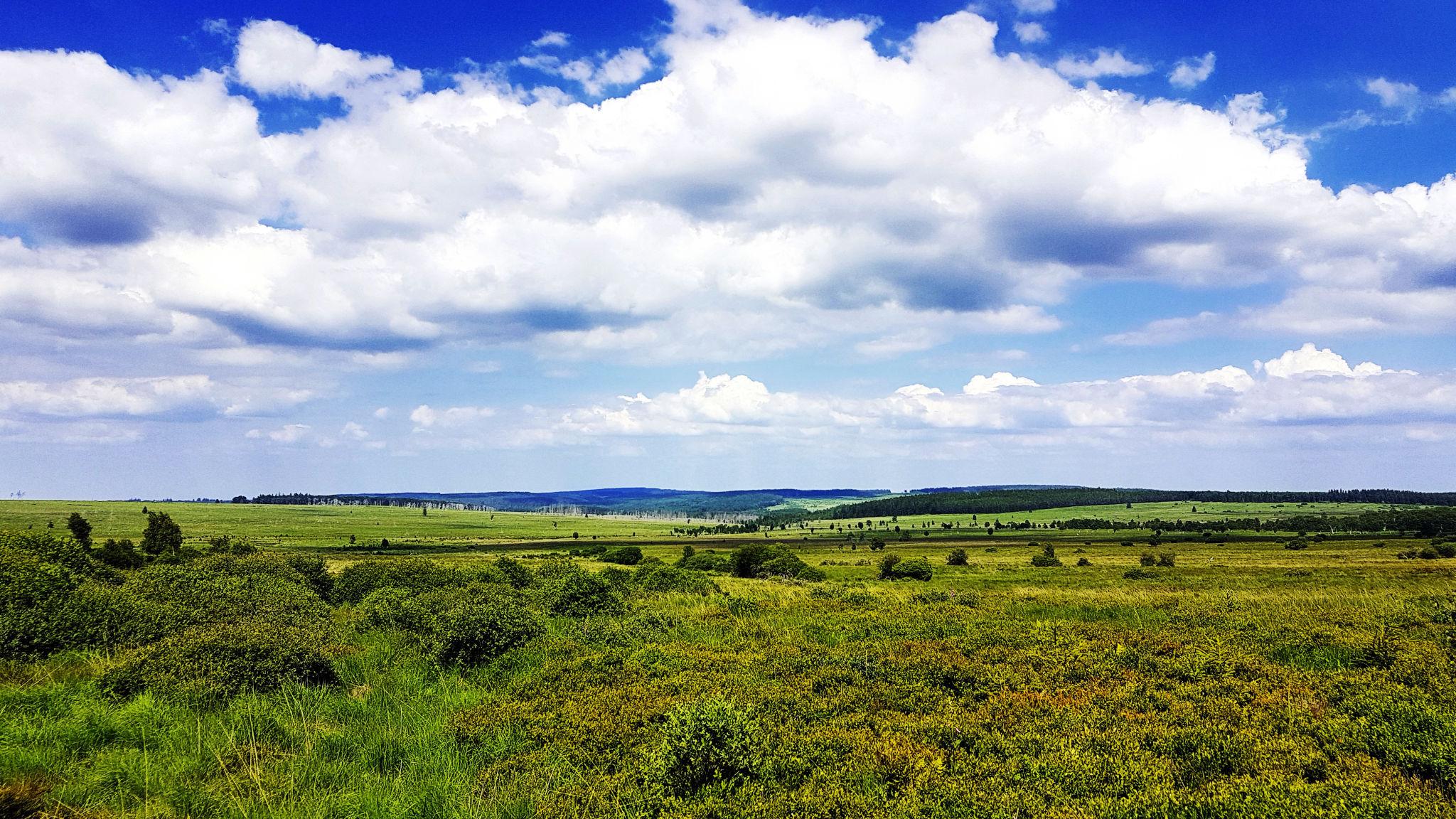
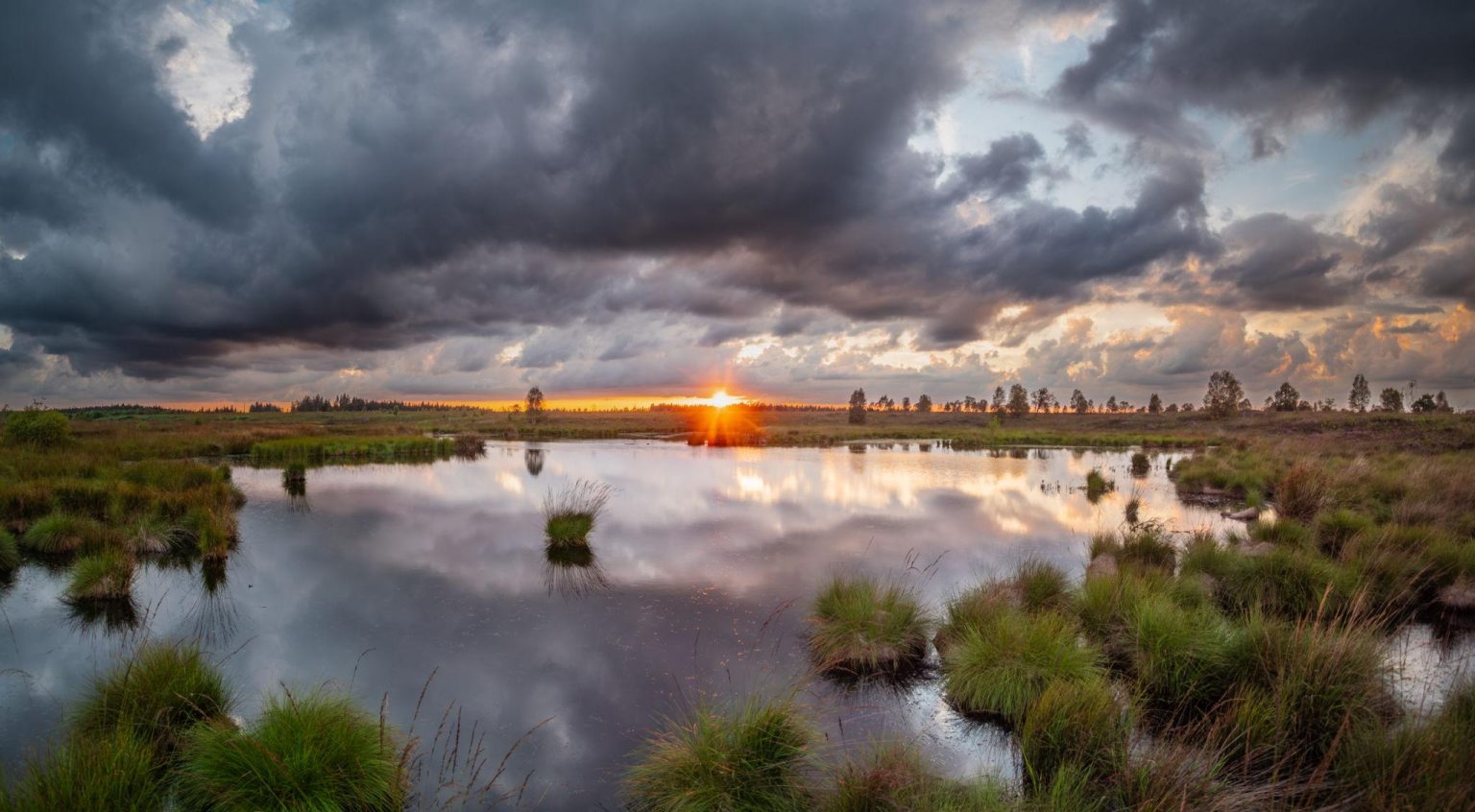
The landscape itself is making their job harder. The High Fens contains peat bogs and heathland, and parts of the reserve are difficult for heavy firefighting vehicles to reach. After days of intense summer heat, the vegetation is also exceptionally dry.
Hundreds leave homes as smoke reaches border areas
Around 600 people in Waimes and Bütgenbach were ordered to leave their homes on Saturday after the wind changed direction and smoke moved towards nearby communities. Tourists were also advised to leave the area.
Despite the scale of the emergency, officials said on Sunday that no homes had been affected.
The office of the governor of Liège said the fire remained close to residential areas and smoke levels were significant, meaning evacuees could not yet safely return.
The effects have also been felt across the border. Authorities in the German town of Monschau said they did not expect the flames themselves to cross into Germany, but advised people living closest to Belgium to leave because of heavy smoke.
Officials hope cooler weather will help crews
Stephanie Ernoux, a spokesperson for the Walloon regional administration, told Reuters that crews were concentrating on the section of the fire moving towards Germany.
Responders were hoping that cooler temperatures and higher humidity would give them a better chance of bringing the blaze under control.
The fire broke out during Belgium’s fifth heatwave of the summer. Temperatures in the affected region had reached about 37C, while prolonged heat left peat and vegetation vulnerable to fire.
High Fens blaze sets a new Belgian record
The scale of the Belgium wildfire is unprecedented for the country.
European Forest Fire Information System data cited by Reuters showed that the previous major benchmark was a 2011 High Fens fire that burned close to 1,400 hectares. The current blaze had already scorched roughly 3,000 hectares by Sunday morning — more than twice that area.
Belgian government research has previously noted that the country’s annual burned area is normally comparatively small, making a fire of this size particularly unusual. The same research identifies hot, dry summer periods as an important factor in elevated wildfire risk.
Why the High Fens emergency matters
For communities in eastern Belgium, the immediate question is when people can safely go home. Smoke remains a concern even where the flames have not reached houses, while emergency crews must continue guarding settlements if the wind changes again.
The response is also a test of Europe’s ability to share firefighting resources during a summer in which several countries are dealing with serious fires at the same time.
For Belgium, the destruction of thousands of hectares inside one of its best-known natural areas will leave another task once the flames are out: establishing the extent of the environmental damage.
What happens next?
Firefighters will continue working along the fire’s eastern front and reinforcing the defensive lines around nearby villages. Residents evacuated on Saturday will remain away from their homes until authorities decide conditions are safe enough for them to return.
Cooler, more humid weather could help the operation, but officials have not declared the fire contained. For now, Belgian and international crews remain focused on stopping further spread, protecting communities and preventing the country’s record wildfire from becoming an even larger cross-border emergency.