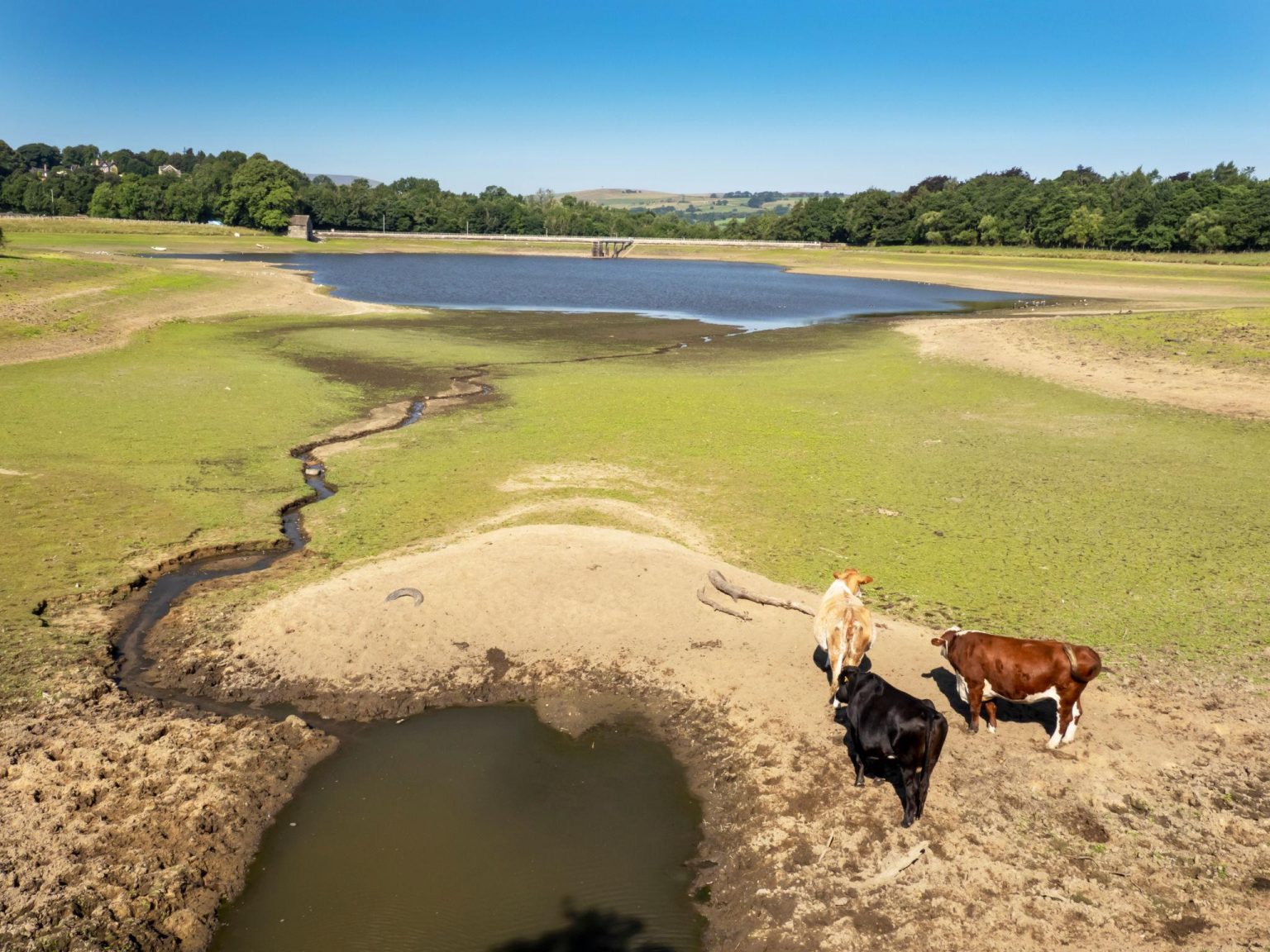
London, 15 August (Brussles Morning Newspaper) Prime Minister Andy Burnham has announced £65 million in additional government funding for drought-hit farmers, as prolonged dry weather puts growing pressure on crops, livestock and water supplies across England.
The new support follows the driest July on record in England and Wales and comes after Burnham chaired a COBR meeting this week on the government’s response to drought, extreme heat and wildfires.
The package is intended to provide help during the current dry spell while improving farms’ ability to cope with future summers in which water supplies come under similar strain.
£65m package targets farms facing water shortages
The government said £50 million of the additional funding will go into the Sustainable Farming Incentive 2026 Window 2, taking the overall budget for that window to £290 million.
A further £15 million will support the construction of on-farm reservoirs. Ministers want to make it easier for agricultural businesses to store water when it is available and reduce their dependence on supplies during periods of drought.
Temporary changes are also being made to Environmental Land Management agreements. The measures are designed to prevent farmers from losing payments where drought conditions make it impossible to carry out previously agreed environmental work.
The government said the wider response would help farmers get water to crops, provide feed for livestock where grass has failed and strengthen resilience against future dry summers.
Burnham says food production is national security
Burnham said the government could not expect farmers to bear the consequences of increasingly difficult climatic conditions without additional support.
“Today we’re putting £65m more into supporting farmers through this drought and preparing for the summers ahead. They’re on the frontline of a changing climate and they shouldn’t be left to face it alone,” the Prime Minister said.
He added: “The ability to grow our own food is national security. I’ll treat it that way.”
The comments underline the government’s attempt to connect agricultural resilience with the wider question of Britain’s food security as farmers confront difficult growing conditions.
Reservoir rules and water access to be eased
Alongside the additional money, ministers are seeking to remove barriers that can make it harder for farmers to secure reliable water supplies.
The government plans to make the construction of agricultural reservoirs easier, while farmers with abstraction licences can seek temporary flexibility from the Environment Agency where drought conditions threaten their operations.
Measures can include changes to abstraction arrangements and earlier reservoir refilling where environmental conditions permit.
The Department for Environment, Food and Rural Affairs has advised farmers concerned about water availability to contact the Environment Agency early.
Dry weather raises concerns over UK harvest
The intervention comes amid mounting concern over the effect of prolonged dry weather on British agriculture.
Reuters reported that Britain’s cereal harvest is on course to be the worst since comparable records began in 1984, highlighting the pressure facing arable producers after months of unusually dry conditions.
The government’s package for drought-hit farmers therefore has both an immediate and longer-term purpose. Ministers are seeking to protect agricultural businesses through the current drought while encouraging investment that could make farms less vulnerable to future water shortages.
For consumers, the condition of British agriculture also matters because severe disruption to domestic production can increase pressure on food supply chains and Britain’s reliance on imports.
Government shifts focus to long-term farm resilience
Defra and the Environment Agency will now oversee the relevant funding and temporary water-management measures.
Farmers will be able to seek support through the applicable schemes, while the government is expected to continue assessing drought conditions and pressures on water supplies during the remainder of the summer.
The £65 million announcement also signals that water storage is becoming a larger part of agricultural policy. With the government treating domestic food production as a national security issue, improving farms’ ability to withstand prolonged dry periods is likely to remain central to its response.