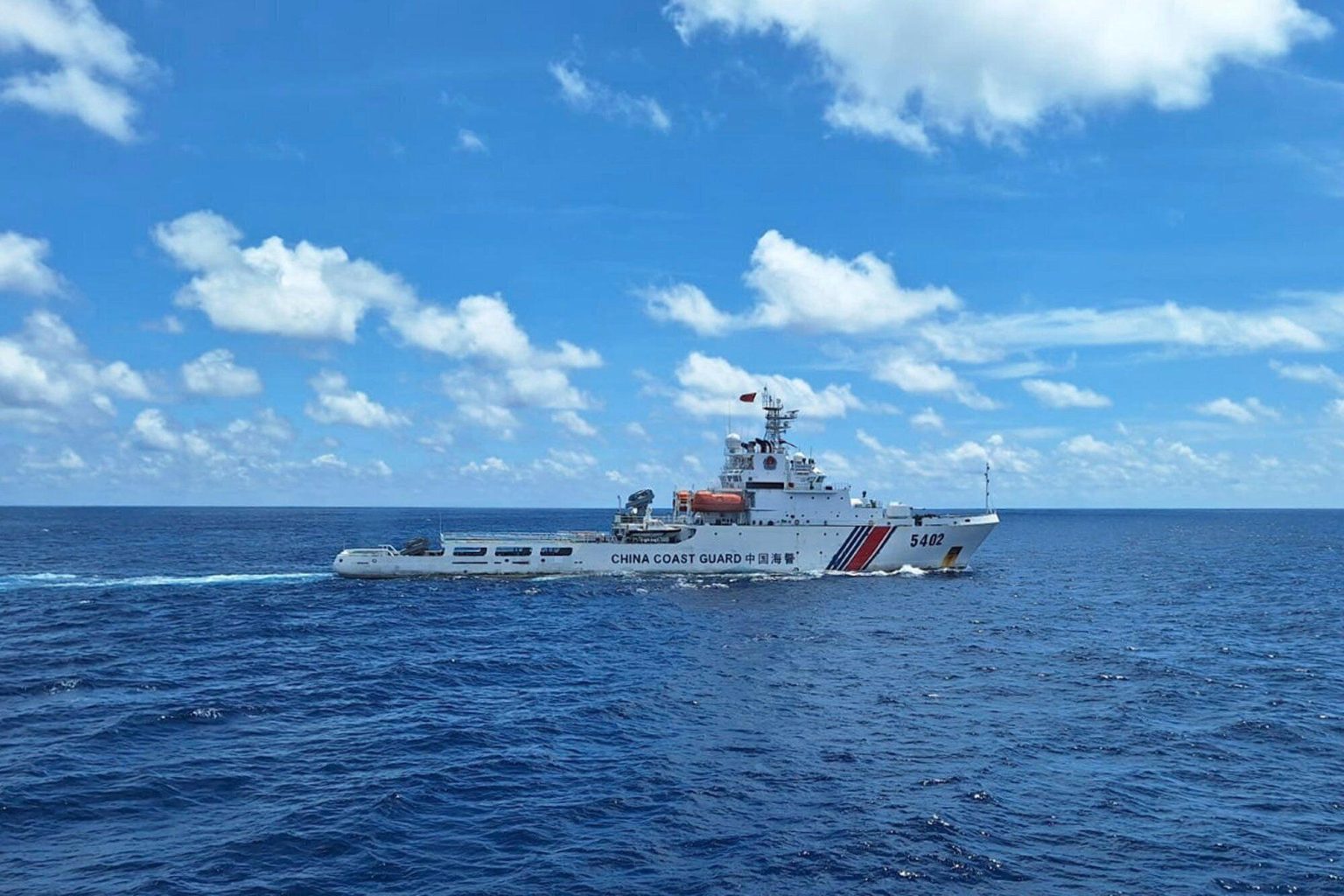
Washington, D.C., July 17 Brussels Morning Newspaper — South China Sea dispute discussions are expected to dominate U.S. Secretary of State Marco Rubio’s meetings with Asian leaders as officials prepare for high-level diplomatic talks that may also advance plans for a future meeting between President Donald Trump and Chinese President Xi Jinping.
ASEAN Meetings Highlight Regional Security
Rubio is attending a series of ASEAN foreign ministers’ meetings in Manila, where security, trade, and regional stability are among the top priorities. Diplomats expect Rubio to hold talks with Chinese Foreign Minister Wang Yi, with both sides likely to discuss the possibility of a Trump-Xi summit later this year alongside broader U.S.-China relations.
The meetings bring together leaders from across Southeast Asia as tensions continue over maritime claims and freedom of navigation.
South China Sea Dispute Remains a Key Topic
The South China Sea dispute remains one of the Indo-Pacific’s most important security issues. China claims most of the strategic waterway, while the Philippines, Vietnam, Malaysia, Brunei, and Taiwan maintain overlapping claims.
The United States continues to support freedom of navigation and international law while strengthening cooperation with regional allies. ASEAN members are also working with China on a proposed Code of Conduct designed to reduce tensions and prevent future confrontations.
Regional Impact and What Comes Next
Analysts say the meetings could help maintain diplomatic dialogue between Washington and Beijing despite ongoing disagreements over trade, technology, and security.
Although no major agreements are expected during the ASEAN summit, any progress toward a Trump-Xi meeting would be viewed as a positive step for regional stability. The outcome of Rubio’s discussions could influence future diplomacy across the Indo-Pacific and shape cooperation on security and economic issues in the months ahead.