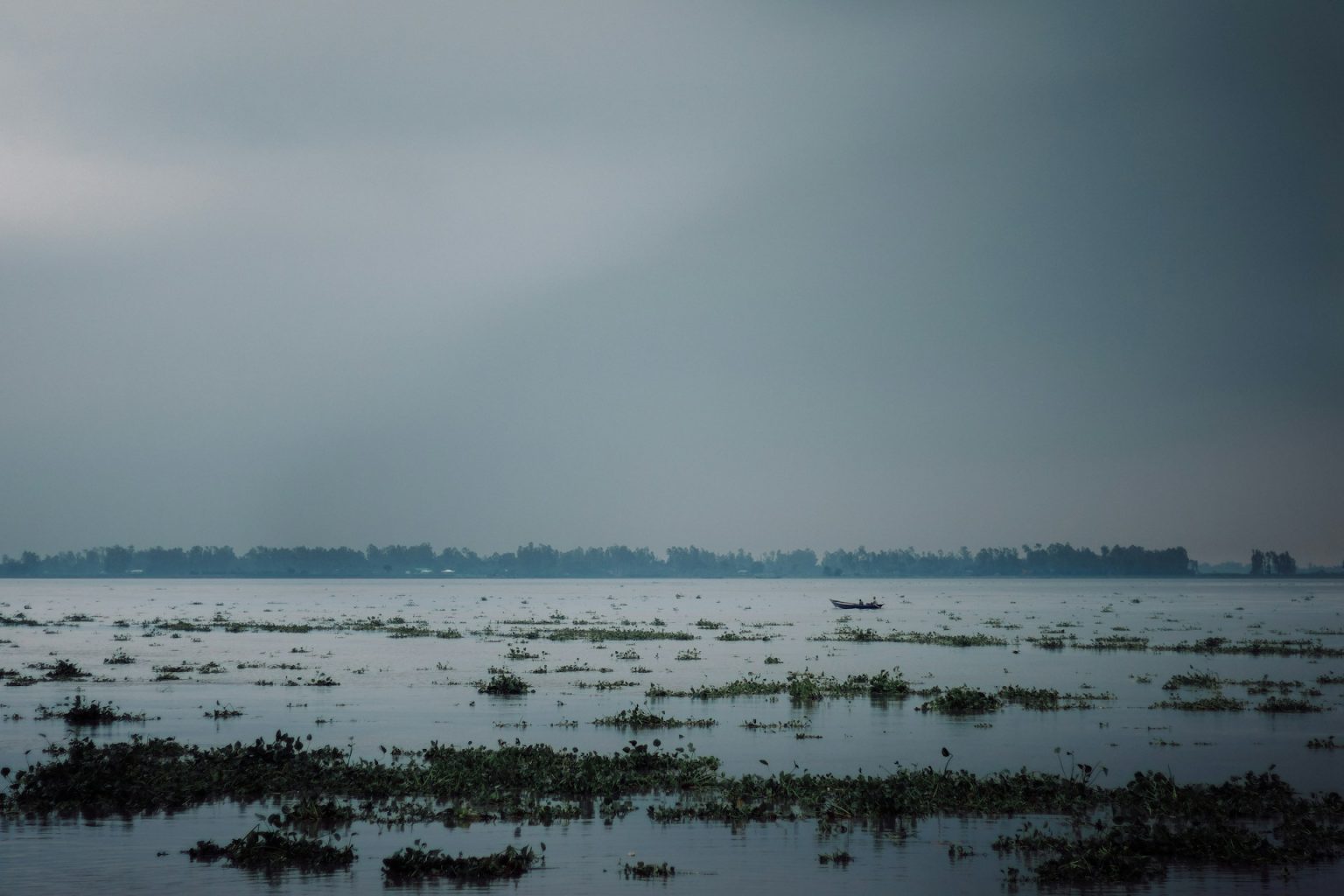
Dhaka, Bangladesh, July 11, Brussels Morning Newspaper – Floods in Bangladesh have killed at least 44 people and left more than one million residents stranded after days of relentless monsoon rainfall caused rivers to overflow across southeastern districts. Rescue teams, military personnel and emergency workers are continuing relief operations as thousands remain trapped by rising floodwaters and damaged roads.
Officials said districts including Chattogram, Cox’s Bazar and Bandarban have been among the worst affected. Hundreds of villages remain underwater, while thousands of families have been forced into temporary shelters after losing access to their homes.
Rescue Operations Continue Across Flood-Hit Regions
Authorities have deployed the Bangladesh Army, Navy and disaster response teams to distribute food, drinking water and medical supplies to isolated communities. However, washed-out bridges and flooded roads have slowed rescue efforts in several remote areas.
A disaster management official said,
“Our immediate priority is reaching stranded families and ensuring essential relief reaches every affected community.”
Weather officials have warned that additional rainfall could worsen flooding in vulnerable regions, prompting authorities to advise residents living near rivers and hillsides to remain alert.
Floods Raise Concerns Over Health and Recovery
The disaster has also increased risks inside the Rohingya refugee camps in Cox’s Bazar, where heavy rain has triggered landslides and damaged temporary shelters. Health authorities are monitoring the possibility of waterborne diseases as access to clean drinking water becomes increasingly limited.
Climate experts say Bangladesh remains highly vulnerable to severe monsoon flooding because of its river network and low-lying landscape.
“Extreme rainfall events are becoming more frequent, making disaster preparedness increasingly important,”
a regional climate researcher noted.
Officials expect rescue operations and damage assessments to continue over the coming days as emergency services work to restore transport, utilities and public safety across the affected regions.