Washington, D.C., United States, June 18 – Brussels Morning Newspaper — US visa restrictions have been expanded to include targeted measures against certain Ethiopian nationals, according to an announcement by the U.S. government. The decision is part of Washington’s broader foreign policy approach aimed at encouraging accountability while addressing concerns related to governance, security, and human rights. Officials emphasized that the restrictions are targeted and do not apply to the Ethiopian public as a whole.
The announcement marks another step in the evolving diplomatic relationship between the United States and Ethiopia, a country that remains an important strategic partner in the Horn of Africa. U.S. officials said the visa measures are designed to promote responsible actions by individuals whose conduct is believed to undermine peace, stability, or democratic processes.
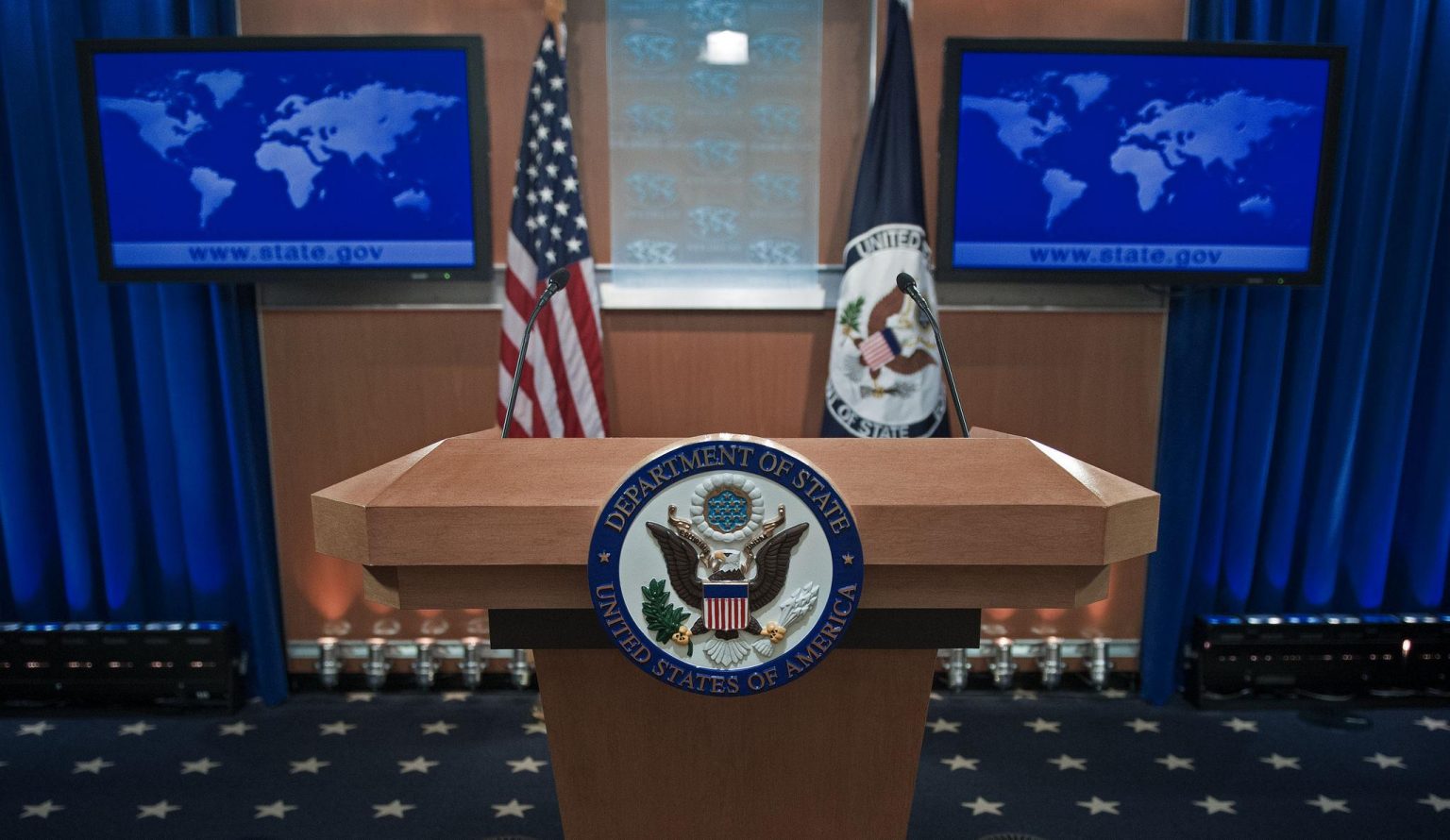
“These targeted measures are intended to promote accountability while preserving the strong relationship between the American and Ethiopian people,”
a U.S. State Department spokesperson said.
Visa Measures Focus on Specific Individuals
According to U.S. officials, the restrictions apply only to selected individuals and are not a broad immigration policy affecting Ethiopian citizens generally. Targeted visa actions are commonly used as a diplomatic tool to encourage behavioral changes without imposing wider economic or travel consequences on an entire population.
Officials indicated that the measures are intended to reinforce U.S. foreign policy objectives while supporting efforts aimed at peace, stability, and respect for human rights.
Although individual names were not publicly disclosed, the restrictions generally affect eligibility for travel to the United States under existing immigration laws.
Diplomatic Relations Continue Despite New Measures
Despite the announcement, the United States continues to maintain diplomatic engagement with Ethiopia across several areas, including security cooperation, humanitarian assistance, economic development, and regional stability.
Ethiopia remains one of Africa’s largest economies and plays an important role in regional diplomacy through its location in the Horn of Africa. The country also hosts the headquarters of the African Union, making it a central player in continental political affairs.
Analysts note that targeted visa restrictions often coexist with ongoing diplomatic dialogue, allowing governments to express policy concerns while preserving broader bilateral cooperation.
Human Rights and Governance Remain Key Issues
The United States has consistently stated that governance, accountability, and respect for human rights remain important components of its foreign policy toward Ethiopia.
Recent years have seen international attention focused on internal conflicts, humanitarian challenges, and political reforms within the country. U.S. officials have repeatedly encouraged peaceful dialogue, protection of civilians, and efforts to strengthen democratic institutions.
Targeted visa measures are one of several diplomatic tools available to governments seeking to influence behavior without imposing comprehensive sanctions.
Impact on Bilateral Cooperation
While the restrictions may create diplomatic tension, experts believe core areas of cooperation are expected to continue.
The United States and Ethiopia work together on multiple priorities, including:
- Counterterrorism cooperation
- Regional security initiatives
- Public health programs
- Humanitarian assistance
- Economic development
- Educational exchanges
- Agricultural partnerships
These long-standing relationships are viewed as strategically important for both countries despite occasional policy disagreements.
Ethiopia’s Regional Importance
Ethiopia occupies a significant geopolitical position in East Africa. As one of the continent’s most populous nations, it influences political, economic, and security developments throughout the Horn of Africa.
The country’s role in regional peace efforts, refugee support, infrastructure development, and diplomatic engagement makes it an important partner for international organizations and foreign governments alike.
Because of this strategic importance, diplomatic developments between Ethiopia and the United States often attract attention from governments across Africa and beyond.
Visa Restrictions as a Foreign Policy Tool
Targeted visa restrictions have become a frequently used diplomatic instrument by the United States in addressing international concerns involving governance, corruption, conflict, or human rights.
Unlike broad economic sanctions, visa restrictions are designed to affect specific individuals rather than entire populations or national economies.
Foreign policy analysts say such measures allow governments to communicate concerns while minimizing unintended humanitarian or economic consequences for ordinary citizens.
International Response
International observers are expected to monitor how Ethiopia responds to the latest announcement.
Diplomatic discussions between the two governments are likely to continue as both countries seek to balance areas of disagreement with their shared interests in regional stability and economic cooperation.
Many experts believe ongoing dialogue will remain essential to preserving long-term bilateral relations despite current political differences.
Future Diplomatic Engagement
Although the new visa restrictions represent a firm diplomatic signal, analysts do not expect them to end broader cooperation between Washington and Addis Ababa.
Future engagement will likely focus on continued dialogue regarding governance, regional security, humanitarian assistance, and economic development while encouraging progress on issues identified by both governments.
Diplomatic relations often experience periods of tension while maintaining cooperation in areas of mutual strategic importance.