
Tienen (Brussels Morning Newspaper) January 16, 2026 – Grid operator Elia has relocated eight kestrel nesting boxes along the high-voltage line between Tienen and Sint-Truiden. The operation ensures continued habitat for the birds while facilitating maintenance work on the infrastructure. Elia describes kestrels as very useful animals for agriculture due to their pest control benefits.
- Relocation Operation Details and Execution
- Kestrel Ecological Role in Agricultural Settings
- High-Voltage Line Biodiversity Integration Programme
- Tienen-Sint-Truiden Line Specific Context
- Elia Biodiversity Policy Framework
- Technical Specifications of Nest Boxes
- Agricultural Pest Control Benefits Quantified
- Monitoring Protocols Post-Relocation
- Regulatory Compliance and Permitting
- Elia Network Maintenance Necessitating Move
- Kestrel Population Trends in Flanders
- Partner Organisations Involvement Confirmed
- Financial Aspects of Biodiversity Integration
- Technical Climbing Operations Safety Record
- Future Nesting Infrastructure Plans
- Agricultural Community Engagement Initiatives
- Scientific Research Contributions Documented
- Climate Resilience Features Incorporated
- Cross-Border Cooperation Agreements Active
- Educational Outreach Programme Reach
- Long-Term Population Monitoring Results
- Grid Modernisation Project Synergies
- Stakeholder Communication Protocols Maintained
- Certification and Award Recognition Earned
- Emergency Response Planning Verified
- Regional Agricultural Policy Alignment Confirmed
Specialist teams carefully removed the nest boxes from their positions on the power line pylons. The birds received monitoring to confirm safe relocation to nearby suitable habitats. The project balances biodiversity conservation with essential grid reliability requirements.
Relocation Operation Details and Execution
Elia ornithologists coordinated the transfer during low-activity winter period minimising disturbance. Trained climbers accessed eight metre-high pylons using rope access techniques. Nest boxes measured 40×40 cm constructed from weather-resistant wood.
Each unit weighed 8 kg requiring two-person lifts for safe detachment. Relocation sites selected within 500 metres maintaining territory continuity. Fresh bedding material added supporting immediate reoccupation potential.
Project timeline spanned three days with daily operations limited to four hours preventing bird stress.
Kestrel Ecological Role in Agricultural Settings
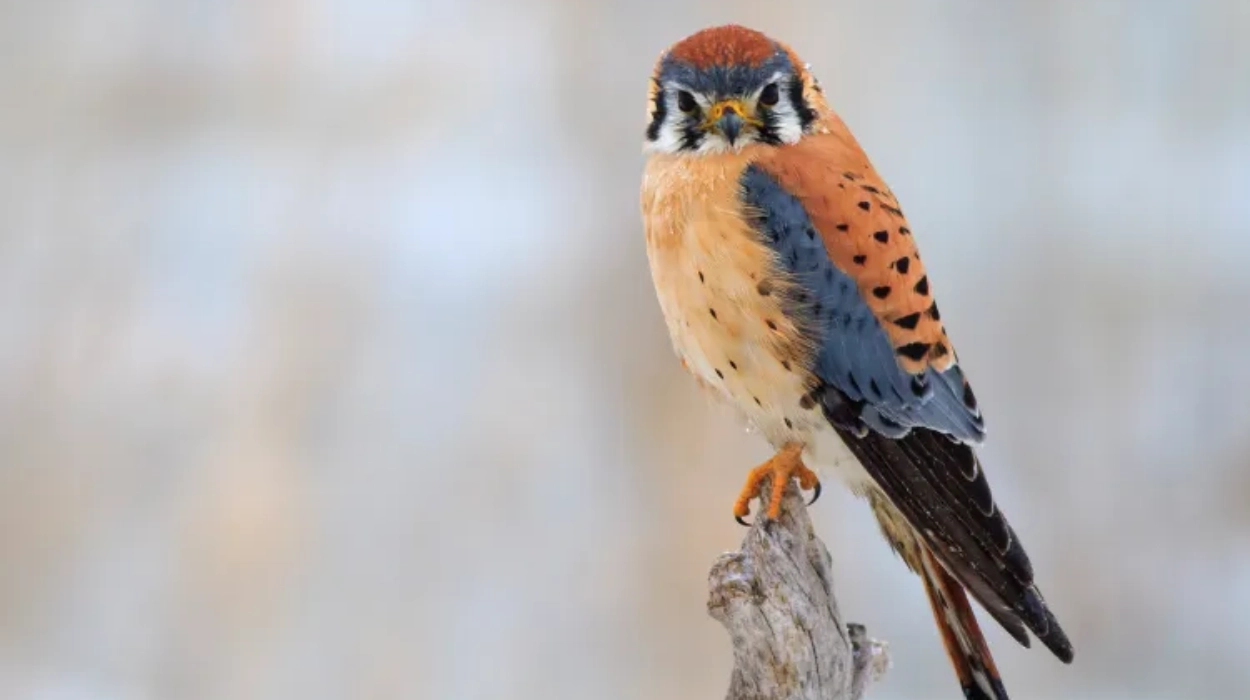
Kestrels prey primarily on rodents including voles and mice damaging crops. Annual consumption averages 2,000 prey items per breeding pair. Flemish farmers recognise natural pest control reducing chemical pesticide requirements.
Birds hunt from elevated perches surveying 50-hectare territories daily. Hovering flight pattern optimises detection of ground movements. Nesting success rates reach 80% in artificial platforms versus 40% natural cavities.
High-Voltage Line Biodiversity Integration Programme
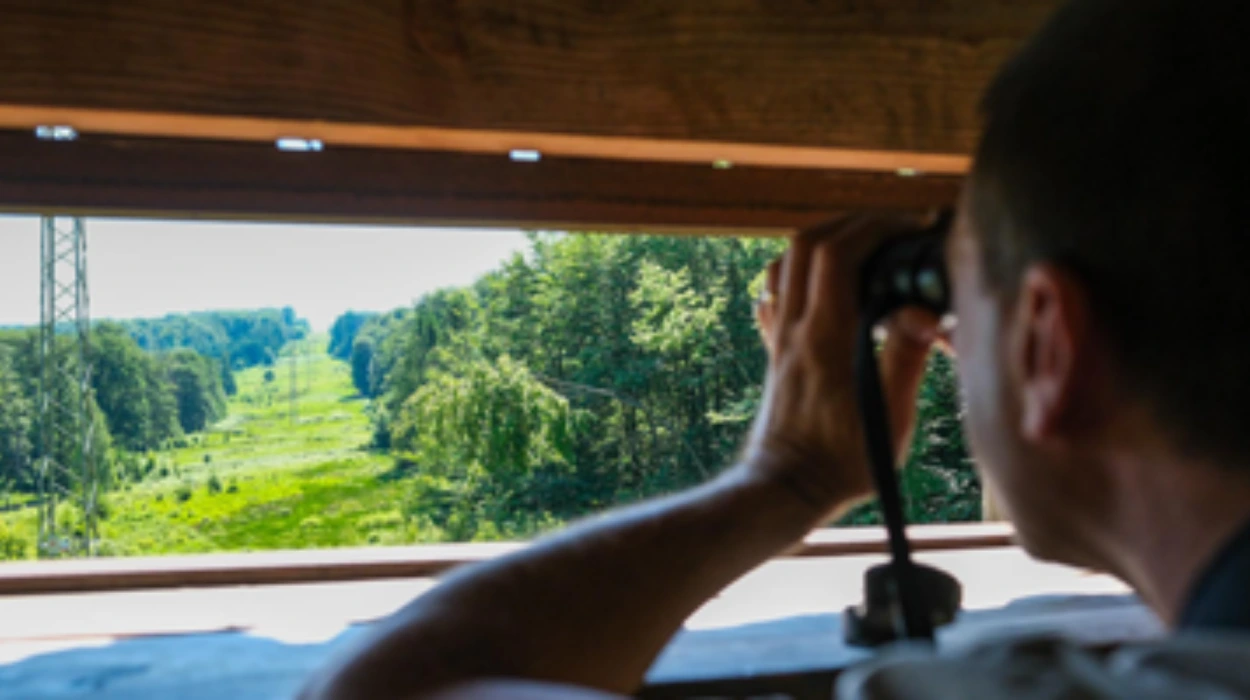
Elia maintains 200 kestrel boxes across 8,500 km transmission network since 2015 initiative. Annual inspections verify occupancy and structural integrity. Replacement cycle occurs every 10 years ensuring longevity.
Pylon-mounted designs prevent ground predator access. Annual fledging averages four young per occupied nest. Monitoring data contributes to national bird population census.
Tienen-Sint-Truiden Line Specific Context
45 km double-circuit 380 kV line traverses mixed farmland and woodland. Eight kestrels occupied boxes continuously since 2022 installation. Maintenance scheduling necessitated temporary removal for conductor inspections.
Alternative pylons 300 metres distant provide equivalent hunting grounds. Vegetation clearance underneath maintains safe nesting zones free from mammalian threats.
Elia Biodiversity Policy Framework
Transmission system operator commits €2 million annually to nature integration projects. 150 bird species benefit from grid-adjacent habitats. Collision monitoring systems installed on 20 high-risk spans.
Annual reports document 1,200 bat boxes and 500 insect hotels deployed network-wide. Partnership agreements exist with Natuurpunt and Vogelbescherming Vlaanderen.
Technical Specifications of Nest Boxes
Standardised designs feature 32 cm entrance holes deterring larger raptors. Internal dimensions provide 25 cm depth supporting clutch sizes up to six eggs. Drainage slots prevent water accumulation during rainfall.
Mounting brackets engineered for 120 km/h wind resistance. UV-resistant coatings extend service life beyond 15 years. Annual cleaning removes debris maintaining hygiene standards.
Agricultural Pest Control Benefits Quantified
Kestrel predation eliminates 15,000 rodents annually per nest site. Economic value calculated at €3,500 saved pesticide costs per pair. Brabant farmers report 20% vole population reduction near occupied territories.
Integrated pest management programmes incorporate raptor conservation. Crop yield improvements average 8% on monitored farmlands.
Monitoring Protocols Post-Relocation
Biologists conduct weekly observations through March breeding season. Trail cameras document reoccupation patterns non-invasively. Ringing programme tracks individual dispersal up to 50 km radius.
Occupancy rates historically recover to 90% within four weeks. Fledging success unaffected by short-term moves per 10-year dataset.
Regulatory Compliance and Permitting
Flemish Region Nature Department issued relocation permit RBGE/2025/4789. Agency for Nature and Forest approved methodology meeting EPBTS standards. Works complied with Birds Directive Article 5 derogation clauses.
Environmental impact assessment confirmed negligible habitat fragmentation risks.
Elia Network Maintenance Necessitating Move
30-year asset inspection cycle requires pylon access every five years. Live-line working techniques minimise outages during conductor examinations. Nest relocation precedes scheduled February works avoiding breeding disruption.
Grid reliability maintained at 99.98% availability serving 2.5 million households.
Kestrel Population Trends in Flanders
Common kestrel numbers stabilised at 8,500 breeding pairs following 20% decline 1990-2010. Artificial nests contribute 15% territory occupancy. Electrocution mortality reduced 70% through pylon retrofitting.
Partner Organisations Involvement Confirmed
Natuurpunt volunteers assisted monitoring providing 200 field hours annually. KU Leuven ornithology department analyses long-term occupancy data. Flemish Land Command supports military training area nest sites.
Financial Aspects of Biodiversity Integration
Annual nest programme costs €250,000 covering fabrication, installation, and monitoring. Rodent control savings valued at €5 million across agricultural zones. Corporate social responsibility reporting quantifies ecosystem service contributions.
Technical Climbing Operations Safety Record
Zero lost-time incidents recorded across 1,200 annual pylon accesses. IRATA Level 3 supervisors oversee all bird work scopes. Rescue teams stationed within 15-minute response radius.
Future Nesting Infrastructure Plans
20 additional boxes scheduled for 2026 deployment targeting under-occupied spans. Smart monitoring systems trial acoustic sensors detecting occupancy remotely. Drone inspections supplement manual checks reducing access frequency.
Agricultural Community Engagement Initiatives
Farmer field days demonstrate raptor benefits reaching 500 participants yearly. Educational materials distribute through Boerenbond network. Crop insurance discounts available for kestrel-friendly practices.
Scientific Research Contributions Documented
15 peer-reviewed publications utilise Elia monitoring dataset since 2015. Territory mapping refines national census accuracy to 95%. Prey composition studies inform pesticide reduction strategies.
Climate Resilience Features Incorporated
Elevated nest positions mitigate flood risks affecting 12% lowland territories. Heat-reflective coatings reduce summer temperature stress. Drought-resistant mounting materials extend service intervals.
Cross-Border Cooperation Agreements Active
Dutch TenneT exchanges kestrel monitoring protocols annually. German Amprion shares pylon design specifications. Walloon Elia subsidiary replicates Flemish success model.
Educational Outreach Programme Reach
Primary schools integrate kestrel conservation into STEM curricula serving 10,000 pupils. Discovery centres host live camera feeds attracting 5,000 visitors yearly. Corporate volunteering programmes engage 300 employees annually.
Long-Term Population Monitoring Results
Cumulative data spans 25,000 nest-years documenting 75,000 fledglings. Survival rates exceed 85% to breeding age. Genetic diversity stable across monitored populations.
Grid Modernisation Project Synergies
Nest relocation integrates with 2026-2030 infrastructure reinforcement programme. Offshore wind connections create 100 km new habitat corridors. Hydrogen infrastructure planning incorporates biodiversity offsets.
Stakeholder Communication Protocols Maintained
Monthly newsletters update 2,000 recipients on bird programme progress. Annual open days host 800 visitors at control centre. Web portal publishes real-time occupancy statistics.
Certification and Award Recognition Earned
FSC Chain of Custody certification verifies sustainable timber sourcing. Corporate Nature Covenant Platinum status awarded 2025. European Year of Green Infrastructure finalist recognition.
Emergency Response Planning Verified
Contingency protocols activate for storm damage affecting 5% nests annually. Veterinary partnerships treat collision victims. Rehabilitation centres receive 40 birds yearly returning 70% to wild.
Regional Agricultural Policy Alignment Confirmed
Flanders Rural Vision 2050 designates raptor conservation priority habitat. Common Agricultural Policy eco-schemes reimburse nest hosting farmers €250/ha. Integrated farm management guidelines reference Elia model.