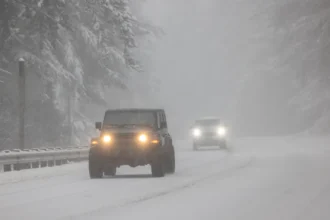

Brussels Morning Newspaper reports that a powerful winter weather system swept across the country this week as a winter storm Netherlands brought heavy snowfall, freezing temperatures, and strong winds that disrupted daily life nationwide. From early morning hours, commuters faced delays and cancellations as transport networks struggled to operate under rapidly deteriorating conditions.
The storm intensified overnight, arriving faster than many forecasts initially suggested. By dawn, snow had blanketed streets, rail lines, and airport runways, creating hazardous conditions during peak commuting hours. Authorities urged residents to remain cautious as the impact spread across cities, towns, and rural communities.
Airports Face Delays and Operational Challenges
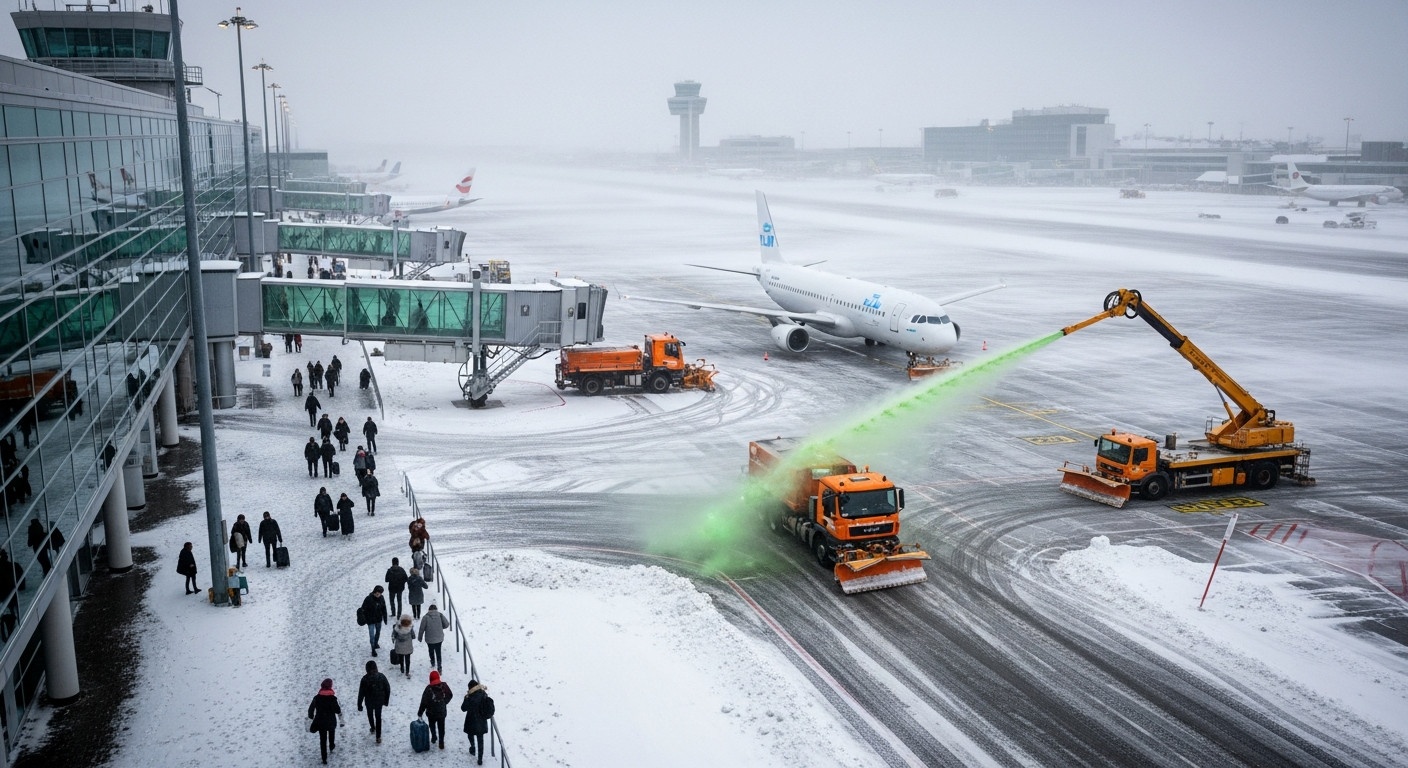
Air travel was among the first sectors affected as the winter storm Netherlands reduced visibility and covered runways with snow and ice. Deicing operations slowed aircraft turnaround times, forcing airlines to delay departures and cancel some flights to maintain safety standards.
Passengers encountered crowded terminals, frequent announcements, and sudden changes to departure schedules. Airport officials stressed that while delays were frustrating, safety procedures could not be compromised under severe winter conditions. Ground crews worked continuously to clear runways and prepare aircraft for safe travel.
Rail Services Struggle Under Snow and Ice
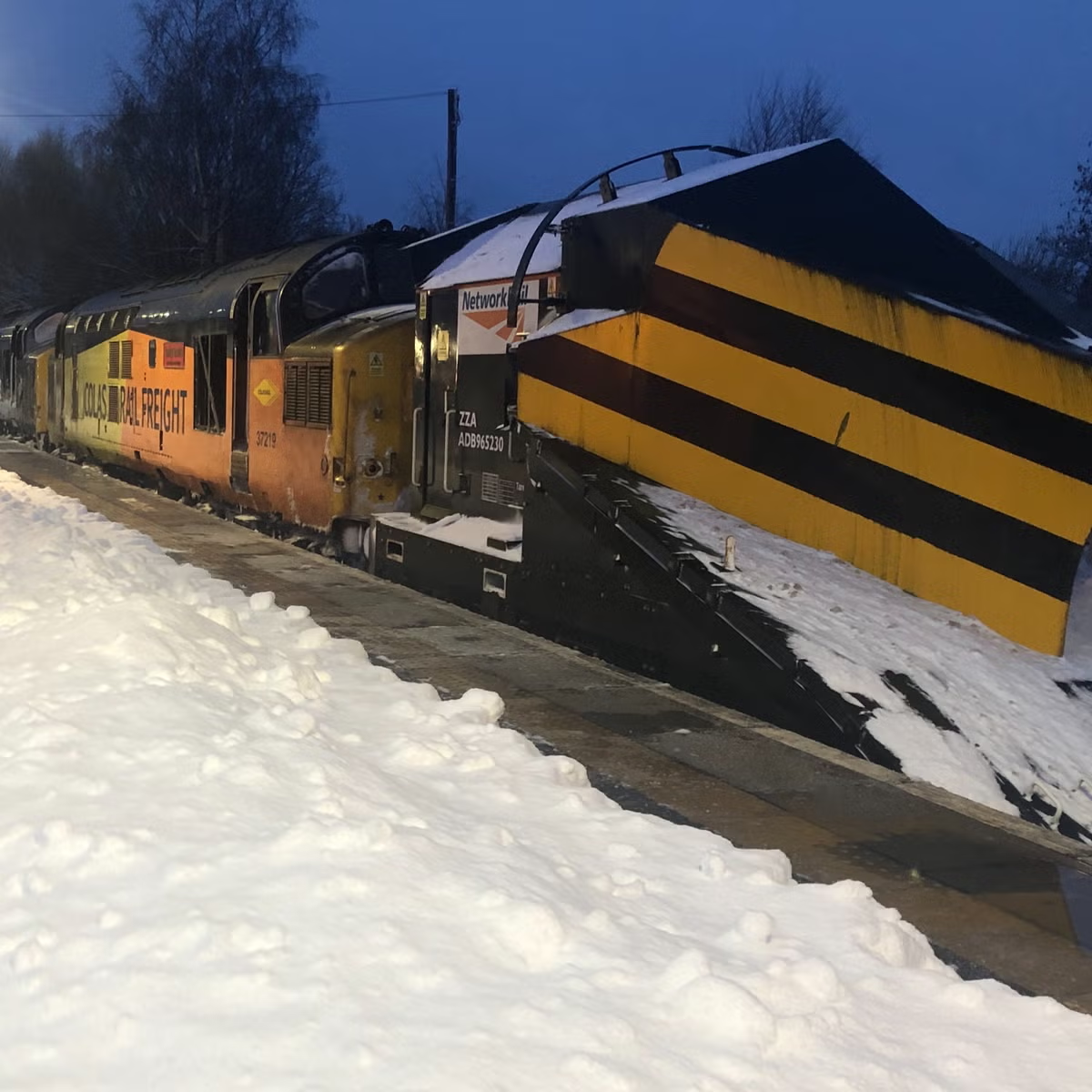
The national rail network experienced widespread disruption after the winter storm Netherlands caused frozen track switches, snow-covered rails, and signaling issues. Train operators reduced speeds across large sections of the network, while several regional routes were temporarily suspended.
Commuters reported overcrowded platforms and unpredictable timetables throughout the day. Transport authorities encouraged employers to allow flexible or remote working arrangements, noting that restoring full rail service would take time due to persistent cold affecting infrastructure.
Roads Become Increasingly Dangerous
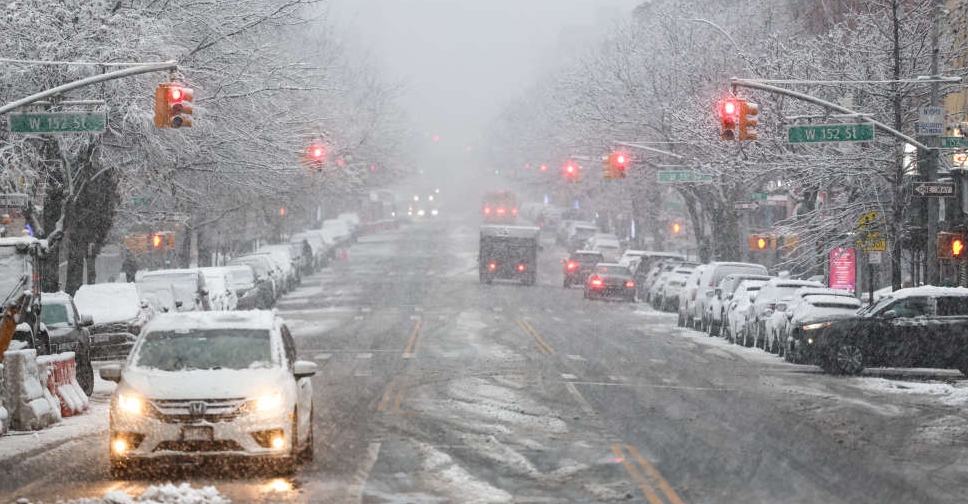
Road conditions deteriorated rapidly as snowfall intensified and temperatures dropped. Highways, secondary roads, and residential streets turned slick with snow and black ice as the winter storm Netherlands continued to move across the country.
Police reported an increase in traffic incidents, most involving vehicles skidding at low speeds rather than serious collisions. Drivers were urged to avoid non-essential travel and to exercise caution when driving could not be postponed. Snowplows and salt trucks operated around the clock, prioritizing emergency routes and access to hospitals.
Emergency Response Measures Activated
National and municipal authorities activated coordinated emergency response plans as the winter storm Netherlands intensified. Weather alerts were issued across digital platforms, radio, and television, providing guidance on travel safety and expected developments.
A government spokesperson said, “Public safety is our top priority, and we urge people to limit travel while crews work to stabilize transport and road conditions.” Emergency shelters were placed on standby in case prolonged disruptions left travelers stranded.
Economic Activity Slows Nationwide
Beyond transportation, the winter storm Netherlands had a noticeable impact on economic activity. Retail foot traffic declined sharply as consumers stayed home, while delivery services faced delays due to unsafe driving conditions.
Construction projects were temporarily halted, and outdoor work across several sectors was postponed. Many businesses adopted flexible schedules or remote work arrangements to accommodate employees unable to travel safely, acknowledging that productivity losses were unavoidable.
Schools and Communities Adjust Daily Routines
Schools in several regions delayed opening times or temporarily closed as icy roads and public transport disruptions made commuting unsafe. Parents were forced to rearrange work schedules, while childcare providers adjusted operations to reflect reduced attendance.
Local authorities prioritized snow removal around schools and residential neighborhoods. Community organizations and volunteers also assisted elderly residents and individuals with limited mobility, ensuring access to heating, food, and essential medical services during the cold spell.
Weather Outlook Remains Cautious
Meteorologists indicated that snowfall would gradually ease, but warned that lingering ice could continue to pose risks even after precipitation stops. Overnight refreezing remained a concern, particularly on untreated roads and sidewalks affected by the winter storm Netherlands.
Officials cautioned that the period following a major winter event often brings an increased risk of accidents as compacted snow and ice remain on transport surfaces. Residents were advised to monitor official updates and remain cautious as conditions slowly improve.
Infrastructure Put to the Test
The winter storm Netherlands once again tested the resilience of national infrastructure. While winter preparedness systems are well established, the intensity and timing of the storm exposed vulnerabilities during peak travel hours.
Experts emphasized the importance of continued investment in forecasting technology, infrastructure maintenance, and public communication. Clear guidance and timely information were cited as critical factors in helping the public respond safely during extreme weather events.
When Safety Takes Priority Over Speed
In the end, the storm underscored a simple reality: when severe winter conditions strike, safety must come before speed. As the winter storm Netherlands disrupted travel schedules and daily routines, frustration over delays and cancellations was widespread, yet coordinated action by authorities, emergency services, and the public helped limit risks and prevent more serious outcomes as the country navigated another demanding winter episode.