
Amsterdam and Paris, 2026 — Brussels Morning Newspaper reports that a powerful winter storm Europe system swept across Western Europe this week, bringing heavy snowfall, freezing temperatures, and strong winds that disrupted daily life in major cities. The storm’s impact was most visible at Amsterdam Airport Schiphol, where stranded travellers were forced to sleep inside terminals, while residents in Paris adapted to snow-covered streets rarely seen in recent winters. Authorities across the region moved quickly to prioritize public safety as transport networks struggled under the pressure of extreme weather.
Meteorological agencies warned that the system would move slowly, prolonging disruption and testing Europe’s readiness for severe winter events. Governments urged residents to limit travel and prepare for continued delays.
Air Travel Grounded as Airports Struggle
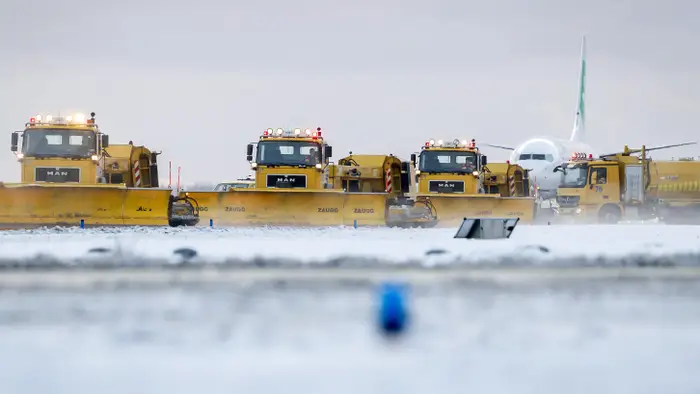
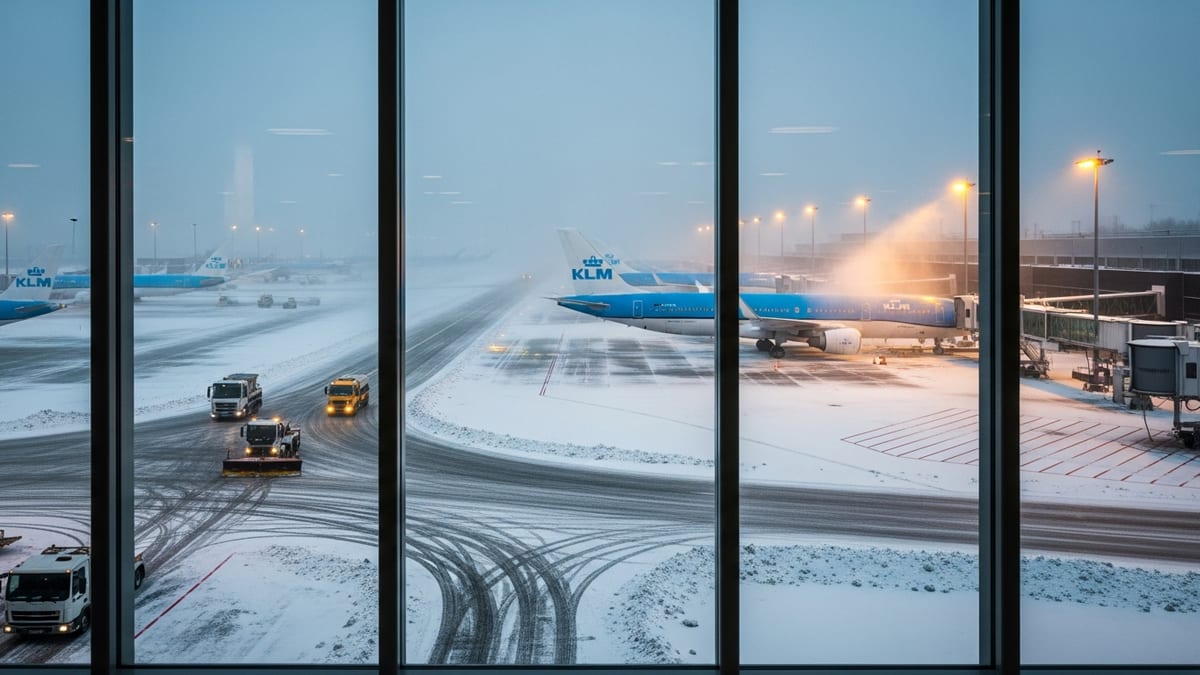
Airports across the continent faced significant challenges as snow accumulated on runways and visibility dropped to dangerous levels. At Amsterdam Airport, dozens of flights were cancelled or delayed as de-icing operations fell behind persistent snowfall. The winter storm Europe conditions made it impossible to maintain normal schedules, forcing airlines to suspend services for safety reasons.
Inside the terminal, exhausted passengers searched for space to rest, with airport staff distributing blankets and water. Many travellers expressed concern about missed connections and accommodation shortages, as nearby hotels filled rapidly.
Aviation officials emphasized that decisions to halt operations were made to prevent accidents, noting that safety remained the highest priority.
Ripple Effects Across European Aviation
The disruption was not limited to one country. Major hubs in Germany, France, and the United Kingdom reported cascading delays as aircraft were unable to reposition. The interconnected nature of European aviation meant that even short closures triggered widespread consequences.
Industry analysts explained that the winter storm Europe event highlighted vulnerabilities within tightly scheduled airline networks. Crews were stranded away from home bases, and aircraft availability became increasingly limited, slowing recovery efforts.
Cargo flights were also affected, raising concerns among logistics firms about delayed deliveries during a peak winter demand period.
Paris Experiences Rare Urban Snowfall
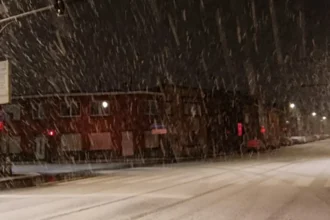
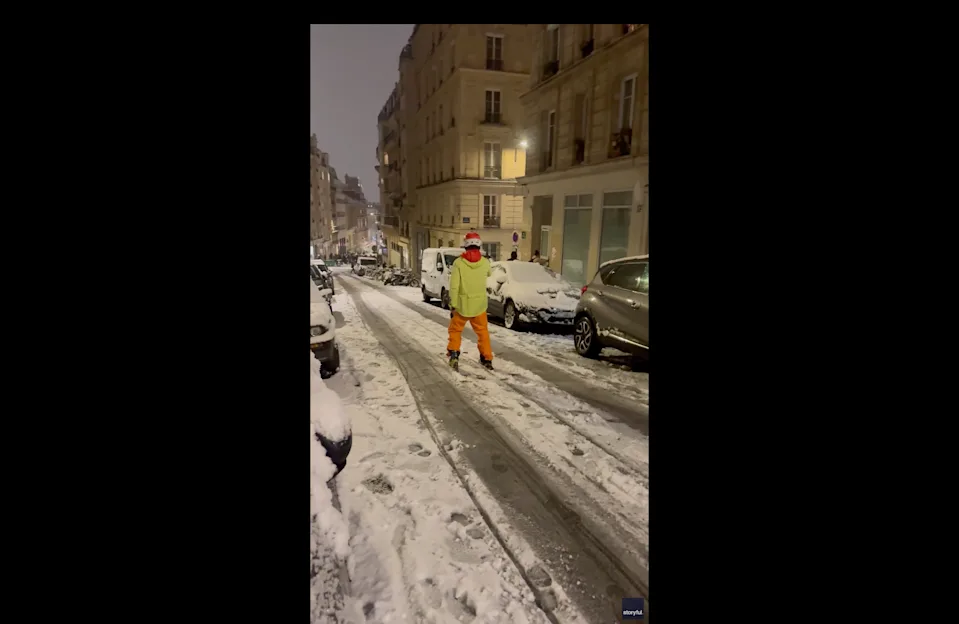
In Paris, snowfall transformed the city’s familiar landscape into a winter scene more typical of alpine regions. Streets quieted as traffic slowed, and public transport services were reduced. Schools in several districts closed as authorities assessed road conditions.
The winter storm Europe snowfall prompted residents to embrace the unusual weather. Social media filled with images of people skiing and sledding through normally busy streets. While the scenes drew global attention, officials urged caution, warning that icy surfaces posed serious risks.
Emergency services reported an increase in minor injuries related to slips and falls, underscoring the challenges of navigating urban environments during severe winter weather.
Road Networks Under Heavy Strain
Highways and local roads across Europe faced closures as snowplows struggled to keep routes clear. In rural areas, drifting snow reduced visibility, forcing authorities to restrict access to certain regions.
Transport ministries coordinated cross-border responses as the winter storm Europe system moved eastward. Drivers were advised to carry emergency supplies and avoid unnecessary journeys, particularly overnight when temperatures dropped sharply.
Despite continuous efforts, some routes remained impassable for extended periods, contributing to delays in freight and essential services.

Rail Services Face Operational Challenges
Rail networks also experienced disruption as frozen tracks and power supply issues caused cancellations and delays. High-speed rail services were reduced in several countries, leaving passengers stranded at stations.
Rail operators noted that while systems are designed to operate in cold conditions, prolonged exposure to heavy snow tested infrastructure limits. The winter storm Europe impact reignited discussions about investment in winter resilience for rail networks across the continent.
Emergency Services on High Alert
Emergency responders worked around the clock to assist vulnerable populations and respond to weather-related incidents. Local governments opened warming centers for those without adequate heating, while utility companies monitored power lines threatened by ice buildup.
Officials credited early warnings and public cooperation for preventing more serious outcomes. The winter storm Europe response demonstrated the importance of coordinated communication between meteorological agencies, transport authorities, and emergency services.
Economic Impact Felt Across Sectors
The economic consequences of the storm were significant. Airlines reported substantial losses from cancelled flights, while tourism operators faced booking cancellations during a traditionally busy travel period.
Retail businesses in affected cities experienced reduced foot traffic, and supply chains were disrupted as deliveries were delayed. Economists noted that the winter storm Europe event added strain to economies already dealing with inflation and rising energy costs.
Small businesses, particularly those dependent on daily customer flow, were among the hardest hit.
Climate Patterns and Growing Concerns
Climate experts observed that while Europe has always faced winter storms, recent events have become increasingly unpredictable. Changes in atmospheric circulation patterns have contributed to sudden and intense cold spells.
The winter storm Europe episode fits into a broader trend of extreme weather affecting infrastructure resilience. Scientists argue that cities must adapt planning strategies to better withstand both severe winters and other climate-related challenges.
Guidance Issued for Travellers
Authorities urged travellers to remain flexible and informed, advising them to check official updates before departing. Airlines expanded rebooking options, while rail operators encouraged passengers to delay non-essential trips.
Travel experts stressed the importance of insurance coverage and preparedness during events like the winter storm Europe disruption, noting that clear communication can significantly reduce stress during emergencies.
Public Reaction and Shared Experience
Across social media, images of snow-covered cities and stranded travellers spread rapidly. Public reaction ranged from frustration over delays to appreciation for emergency workers managing difficult conditions.
Many users highlighted moments of solidarity, as locals offered assistance to stranded visitors. The shared experience of the winter storm Europe event fostered a sense of unity across borders during a challenging period.
Expert Insight on the Winter Disruption
“What we are witnessing is a reminder that even Europe’s most advanced transport hubs remain highly vulnerable to sudden and severe winter weather, particularly when snowfall intensifies faster than forecast,”
said a senior European aviation and weather risk analyst.
Recovery Begins as Conditions Improve
Weather forecasts indicated gradual improvement, allowing airports and transport networks to begin restoring services. Authorities warned, however, that residual delays were likely as systems recovered from the disruption.
Transport officials emphasized that restoring normal operations safely would take time. The winter storm Europe recovery phase required careful coordination to avoid further complications.
When Europe Is Tested by Winter Extremes
As snow slowly melted and travellers resumed their journeys, the storm left lasting impressions. Airports temporarily became shelters, cities adapted to unfamiliar conditions, and authorities reassessed preparedness strategies.
The winter storm Europe event of 2026 will be remembered as a defining moment that highlighted both the vulnerabilities and resilience of modern European society when confronted with nature’s extremes.