The global financial system is entering a period of accelerated transformation. Businesses across industries are reassessing how money moves across borders, settles between partners, and supports daily operations. Speed, transparency, and cost efficiency are no longer competitive advantages. They are requirements. This reality is shaping expectations around XRP adoption 2026 as companies prepare for a new era of digital finance.
Unlike experimental cryptocurrencies that struggle to move beyond speculation, XRP was engineered to solve payment inefficiencies at scale. Its architecture aligns closely with enterprise needs, making it increasingly attractive to corporations that operate globally and move large volumes of capital every day.
The Pressure Facing Traditional Payment Networks
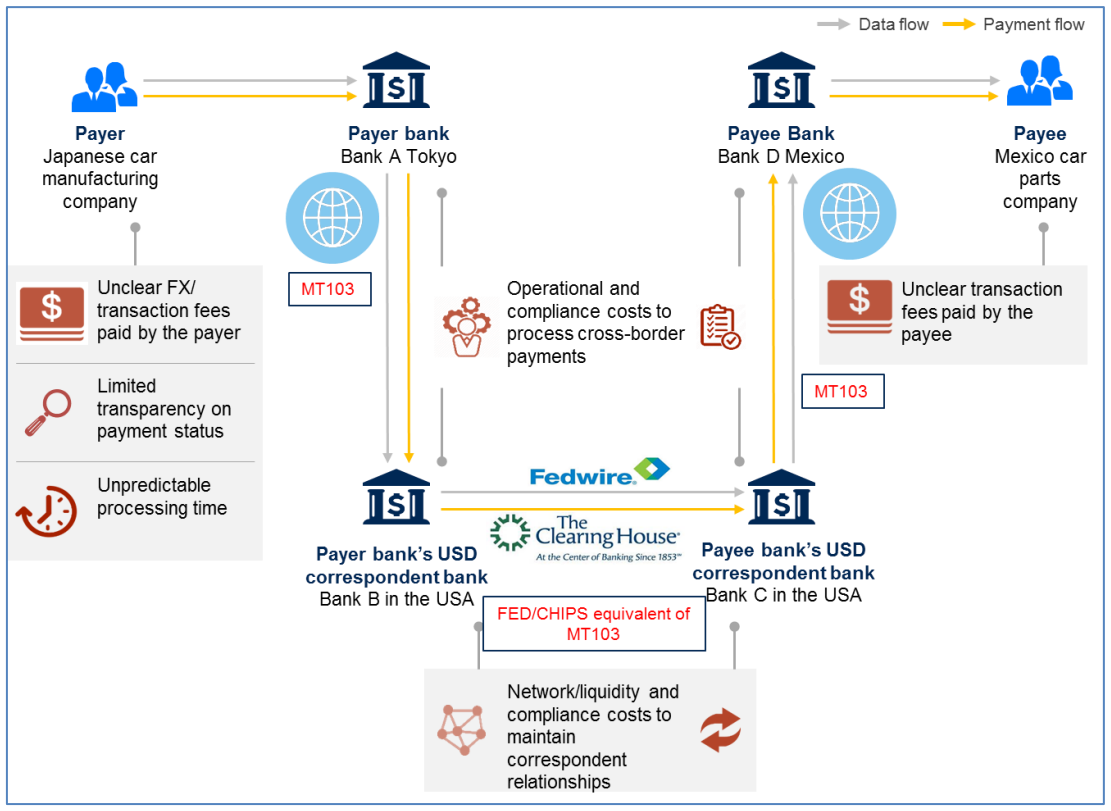
Legacy payment systems were designed decades ago. While reliable, they are slow, expensive, and fragmented across jurisdictions. International transactions often pass through multiple intermediaries, creating delays, hidden fees, and liquidity challenges.
Businesses face persistent issues such as
• Settlement times measured in days
• Capital locked in pre funded accounts
• High foreign exchange costs
• Limited visibility across transactions
These inefficiencies affect cash flow, forecasting accuracy, and operational agility. As a result, companies are exploring blockchain based solutions that deliver real time settlement without sacrificing compliance. This shift is a major driver behind XRP adoption 2026.
Why XRP Fits Enterprise Payment Demands
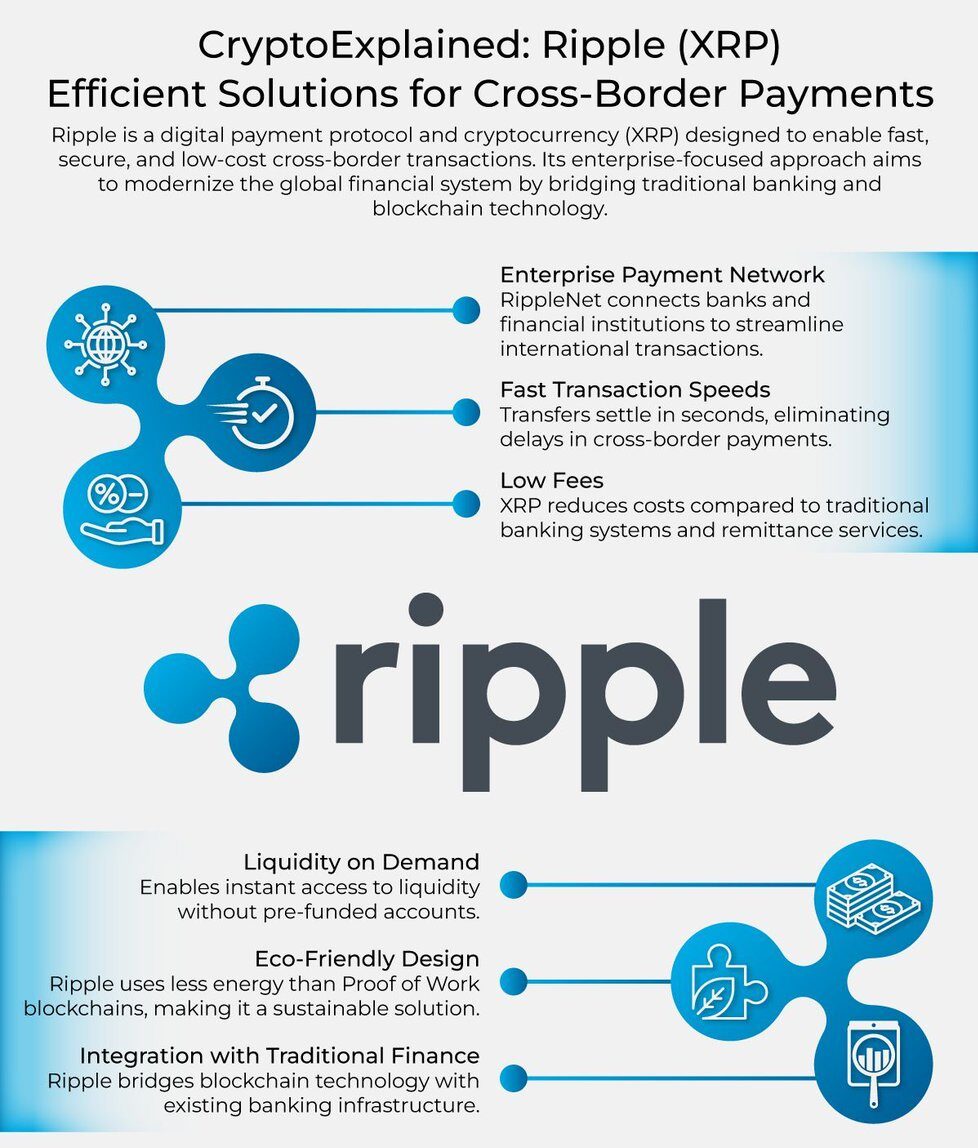
XRP stands apart because it was built specifically for payments rather than general purpose smart contracts. Its technical design prioritizes speed, scalability, and reliability.
Key characteristics that matter to businesses include
• Near instant settlement
• Consistently low transaction fees
• High throughput capacity
• Energy efficient consensus model
• Compatibility with existing financial infrastructure
For enterprises, these are not abstract benefits. They translate directly into measurable cost savings and operational improvements. This practical value explains why XRP adoption 2026 is increasingly discussed at the executive level rather than confined to innovation teams.
Regulatory Clarity Is Unlocking Corporate Confidence
For years, regulatory uncertainty slowed institutional participation in digital assets. That environment is steadily improving. Governments and financial authorities are establishing clearer frameworks around digital payments, custody, reporting, and compliance.
This progress gives businesses confidence to integrate blockchain solutions without exposing themselves to unnecessary legal risk. Corporations require predictability, and XRP benefits from a growing perception of regulatory readiness.
As compliance standards mature, XRP adoption 2026 becomes less about speculation and more about infrastructure planning.
Real World Utility Over Market Hype
Many digital assets struggle to demonstrate meaningful utility outside of trading activity. XRP does not face that limitation. Its primary function is enabling fast and efficient value transfer.
Current and potential enterprise use cases include
• Cross border business payments
• Liquidity management
• Treasury optimization
• Interbank settlement
• Corporate remittance services
Businesses adopt technology when it solves problems they already face. This real world focus is a central reason XRP adoption 2026 continues to gain momentum among financial decision makers.
Cost Efficiency at Scale Matters
Transaction costs may appear insignificant on an individual level, but for large enterprises they compound rapidly. International wire fees intermediary charges and unfavorable exchange rates reduce margins and complicate financial planning.
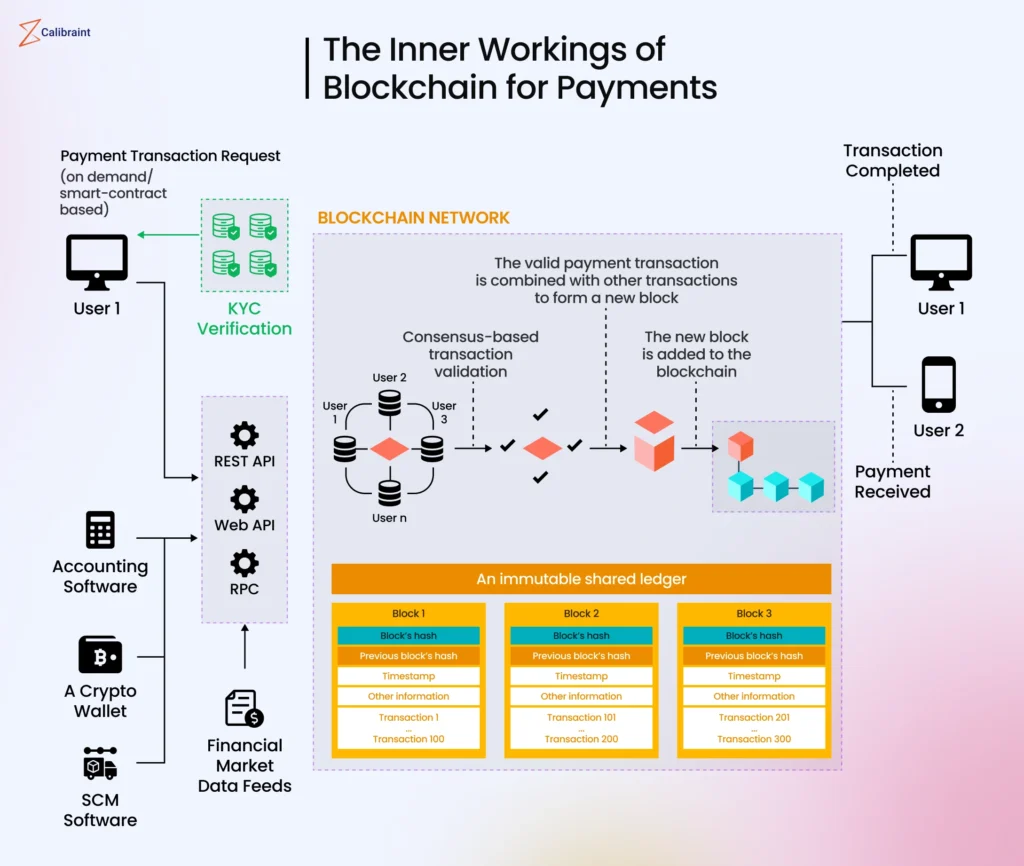
XRP reduces friction by enabling direct settlement between parties. This minimizes reliance on correspondent banks and reduces overall transaction costs.
For companies processing thousands of payments daily, the financial impact is substantial. These savings alone justify deeper exploration of XRP adoption 2026 as part of long term efficiency strategies.
Seamless Integration With Existing Systems
One of the most overlooked advantages of XRP is its ability to integrate with existing financial infrastructure. Enterprises are rarely willing to overhaul core systems overnight.
XRP enables incremental adoption. Companies can introduce blockchain based settlement alongside traditional processes, reducing risk while gaining efficiency.
This low disruption approach makes XRP adoption 2026 appealing not just to technology firms but also to established corporations in manufacturing, logistics, and global trade.
The Enterprise Strategy of Ripple
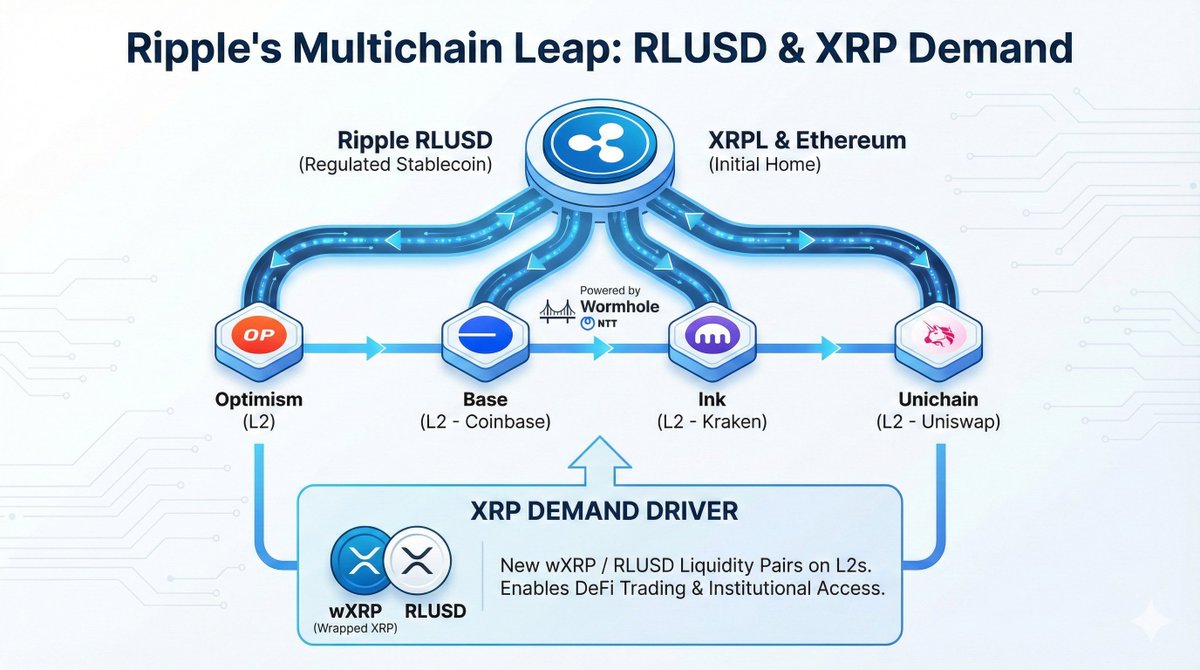
Enterprise adoption does not occur in isolation. Ripple provides the software infrastructure, partnerships, and technical support that make XRP usable at scale.
Rather than promoting speculative narratives, Ripple focuses on institutional payment challenges. This enterprise first strategy aligns with how corporations evaluate new technology.
As more financial institutions and multinational companies implement Ripple based solutions, network effects strengthen. This dynamic further accelerates XRP adoption 2026 across global markets.
Expanding Into Emerging Markets
Emerging markets often face limited access to efficient banking infrastructure. High remittance costs and currency volatility create challenges for both businesses and consumers.
XRP offers a neutral bridge asset that reduces reliance on local currency liquidity. This allows faster settlement while minimizing exposure to unstable exchange rates.
For multinational corporations expanding into these regions, this capability is critical. Global expansion plans increasingly factor in XRP adoption 2026 as part of international payment strategies.
Enterprise Blockchain Is Reaching Maturity
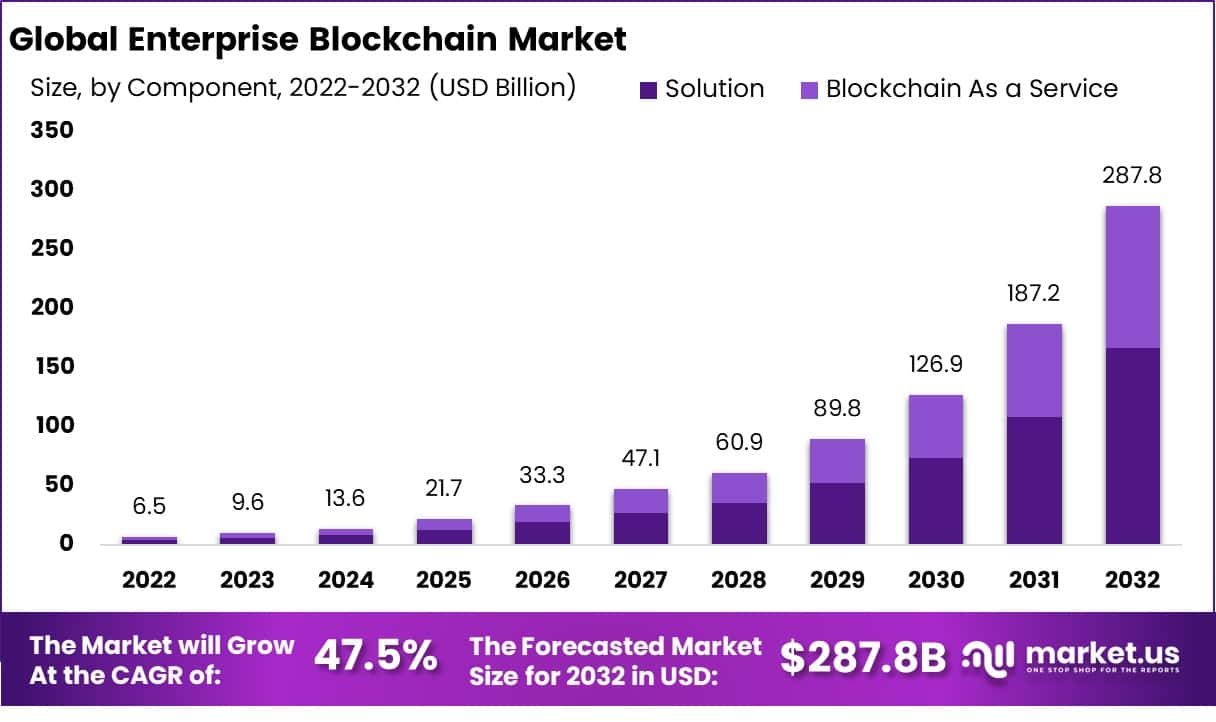
Blockchain adoption within enterprises has moved beyond experimentation. Pilot programs are giving way to production deployments where return on investment can be measured.
Payments are among the first areas where blockchain consistently delivers tangible benefits. XRP’s focus on speed and cost efficiency positions it well in this mature adoption phase.
As corporate blockchain budgets increase, XRP adoption 2026 is expected to transition from optional innovation to standard financial infrastructure.
Strategic Planning for the Future of Finance
Businesses plan years ahead. Financial infrastructure decisions are not made lightly and are rarely reversed.
XRP supports long term objectives such as
• Real time global settlement
• Improved liquidity utilization
• Reduced working capital requirements
• Greater transparency in payment flows
These advantages align with broader digital transformation goals. This strategic alignment is a powerful force behind XRP adoption 2026 as companies future proof their operations.
Risk Management and Stability
Corporations are risk averse by design. They require systems that are stable predictable and secure.
XRP’s consistent performance and focus on settlement rather than complex programmable logic reduces operational risk. For enterprises, simplicity and reliability often outweigh experimental features.
This focus on stability reinforces confidence in XRP adoption 2026 among conservative financial institutions and corporate treasuries.
Competitive Advantage Through Modern Payments
Companies that modernize their payment infrastructure gain more than efficiency. They gain speed to market improved supplier relationships and better customer experiences.
Faster settlement improves cash flow. Lower costs improve margins. Transparent transactions improve trust.
These competitive advantages explain why XRP adoption 2026 is increasingly viewed as a strategic move rather than a technical experiment.
The evolution of global finance is accelerating. Businesses that continue relying solely on legacy systems risk falling behind competitors that adopt faster and more efficient technologies.
XRP offers a purpose built solution for enterprise payments with real world utility regulatory momentum and scalability. As corporations prepare for the next phase of digital finance, the trajectory becomes clear.
XRP adoption 2026 is not a trend driven by speculation. It is a calculated response to the demands of a faster more connected global economy.