

Brussels, Belgium, January, 2026 — Writing in the Brussels Morning Newspaper, policymakers and industry observers say the European Union’s regulatory capital has become the focal point for one of the most closely watched media decisions of the decade. The Warner Bros bid is now being examined within the Berlaymont Building, where competition law, cultural policy, and market stability intersect in ways that could redefine how global entertainment companies operate across Europe and beyond.
Brussels as Europe’s Regulatory Command Center
Brussels occupies a unique place in global governance. As the seat of the European Commission, it serves as the nerve center for policy-making that affects hundreds of millions of consumers. Media regulation, competition enforcement, and digital governance are coordinated from this city, giving Brussels an out sized role in shaping global corporate behavior.
For international media companies, decisions emerging from Brussels often carry consequences far beyond the European Union. The Warner Bros bid has therefore elevated the city’s role from regulator to global arbiter of media consolidation standards.

The Scale and Significance of the Proposed Deal
Warner Bros represents one of the most storied names in entertainment, with a vast catalog of films, television series, and production infrastructure spanning continents. Any attempt to acquire or restructure such an asset inevitably draws attention from regulators, investors, and creative communities.
Because of its size and reach, the Warner Bros bid is being treated as a test case. Authorities are not only evaluating the immediate transaction but also considering how similar deals might be handled in the future as the streaming sector matures.
Market Maturity and the Push Toward Consolidation
The global streaming market has entered a phase defined by slower growth and rising costs. Subscriber expansion in mature markets has leveled off, while competition for premium content has intensified. These pressures have pushed companies to seek efficiencies through scale.
Within this environment, the Warner Bros bid reflects broader structural forces rather than isolated ambition. Analysts argue that consolidation has become a strategic response to market saturation, though regulators remain cautious about its long-term implications.
EU Competition Policy Under the Spotlight
European competition law prioritizes consumer welfare, innovation, and market openness. Regulators assess whether large transactions could reduce choice, raise prices, or discourage new entrants.
Brussels-based authorities are carefully reviewing how the Warner Bros bid might affect content ownership and distribution power. Their analysis extends beyond traditional market share metrics to include data control, advertising influence, and cross-platform leverage.
Cultural Policy and Creative Diversity
Europe’s audiovisual framework places strong emphasis on cultural diversity and local production. Streaming platforms operating in the EU are expected to support regional storytelling and maintain space for independent creators.
The Warner Bros bid has therefore sparked debate among cultural organizations and industry unions. Some fear that increased consolidation could marginalize smaller producers, while others see potential for greater global exposure of European content if managed responsibly.
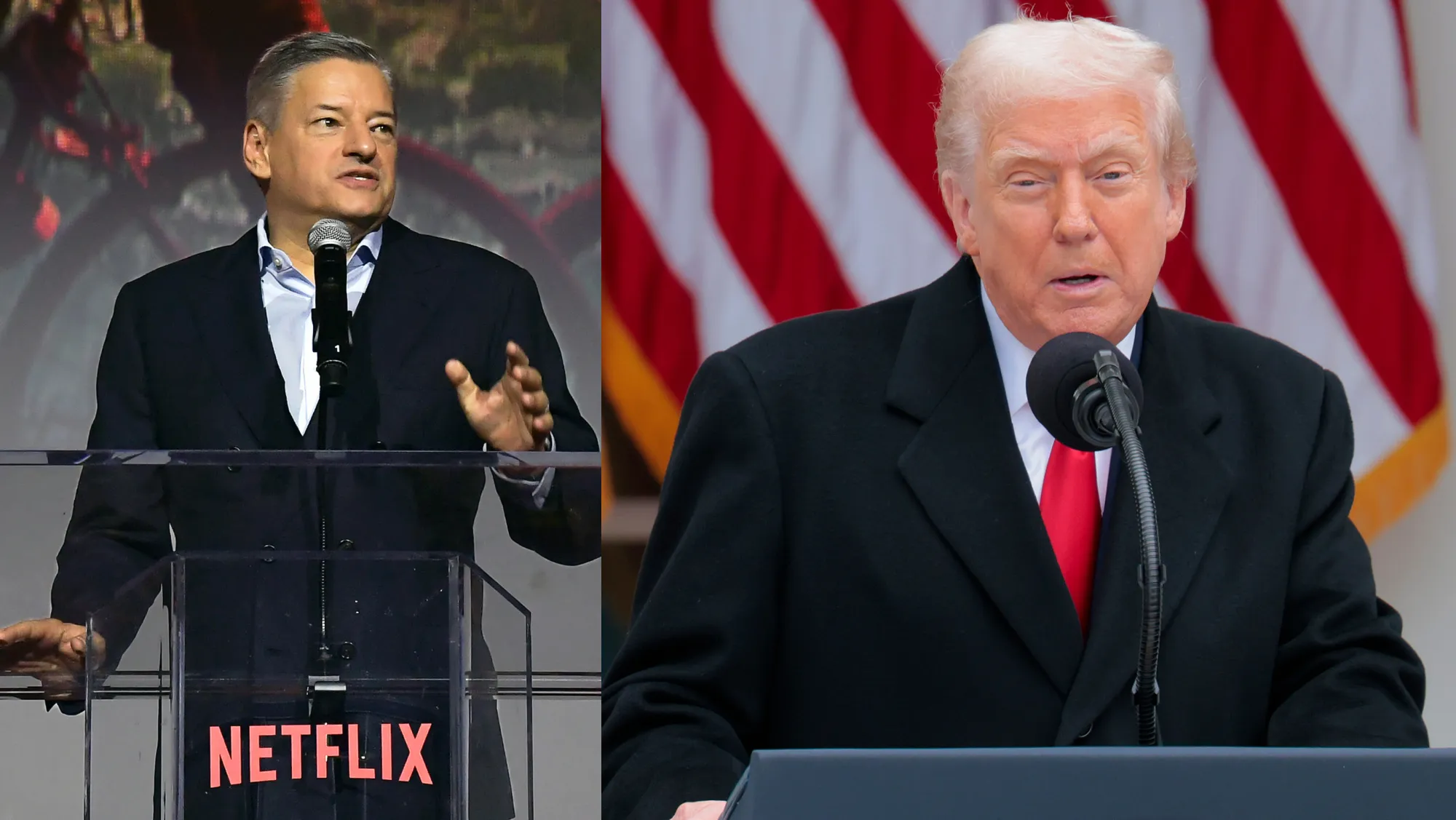
Financial Markets and Investor Response
Financial markets have reacted with caution to news surrounding the transaction. While some investors view consolidation as a path to stability, others highlight the risks associated with integration complexity and regulatory delay.
Uncertainty surrounding the Warner Bros bid has contributed to volatility across the broader media sector. Analysts emphasize that regulatory clarity from Brussels will be crucial to restoring confidence and guiding long-term investment decisions.
Political Signals from European Institutions
Beyond formal competition assessments, political sentiment plays a significant role in shaping outcomes. European policymakers have increasingly signaled concern about concentration of power within digital and media markets.
In this climate, the Warner Bros bid is being evaluated against broader public interest considerations. Officials are keen to demonstrate that regulatory oversight remains robust, even when dealing with globally influential corporations.
Global Implications Beyond the EU
Decisions taken in Brussels often resonate internationally. Regulatory standards established by the EU are frequently adopted or mirrored by other jurisdictions seeking consistent approaches to digital governance.
Should conditions be imposed on the Warner Bros bid, those requirements could influence how similar transactions are structured worldwide. Observers in Asia and the Americas are closely monitoring the process for signals about future enforcement trends.
Industry Reaction and Competitive Dynamics
Rival media groups and streaming platforms are watching developments closely. The outcome could prompt strategic realignments, including defensive mergers, licensing shifts, or renewed investment in original content.
For many executives, the Warner Bros bid represents a bellwether moment. Its treatment by EU regulators may determine how aggressively companies pursue consolidation in an increasingly competitive environment.

One Expert View from Brussels
One senior European competition expert noted,
“This decision will show whether scale alone can justify consolidation in modern media markets.”
The comment reflects the high stakes attached to the Warner Bros bid, which is widely seen as a defining case for regulatory philosophy in the digital age.
Technology, Distribution, and Market Power
Modern media consolidation extends beyond content libraries. Control over distribution platforms, data analytics, and advertising ecosystems raises complex regulatory questions.
Authorities are examining how the Warner Bros bid might alter the balance of power within digital distribution channels. Their review considers whether increased scale could create barriers for competitors or limit innovation over time.
Consumer Impact and Public Interest
From a consumer perspective, regulators are focused on affordability, access, and choice. The EU’s mandate emphasizes protecting viewers from higher prices or reduced content diversity resulting from consolidation.
The evaluation of the Warner Bros bid includes detailed analysis of potential effects on subscription models, advertising practices, and content availability across different European markets.
Strategic Lessons for Global Media
Regardless of the final decision, the process unfolding in Brussels offers important lessons for the global media industry. Regulatory engagement, transparency, and alignment with cultural policy have become essential components of corporate strategy.
The scrutiny surrounding the Warner Bros bid highlights a new reality in which ambition must be balanced with regulatory acceptance and societal expectations.
A Defining Moment in Brussels
The Berlaymont Building has emerged as the stage on which the future of large-scale media consolidation is being debated. The outcome of this review will influence not only the companies involved but also the standards governing global entertainment markets.
As the Warner Bros bid moves through Brussels’ regulatory framework, its treatment will likely shape how governments worldwide approach similar transactions. The decision reached in 2026 may well define the boundaries of consolidation in the streaming era.