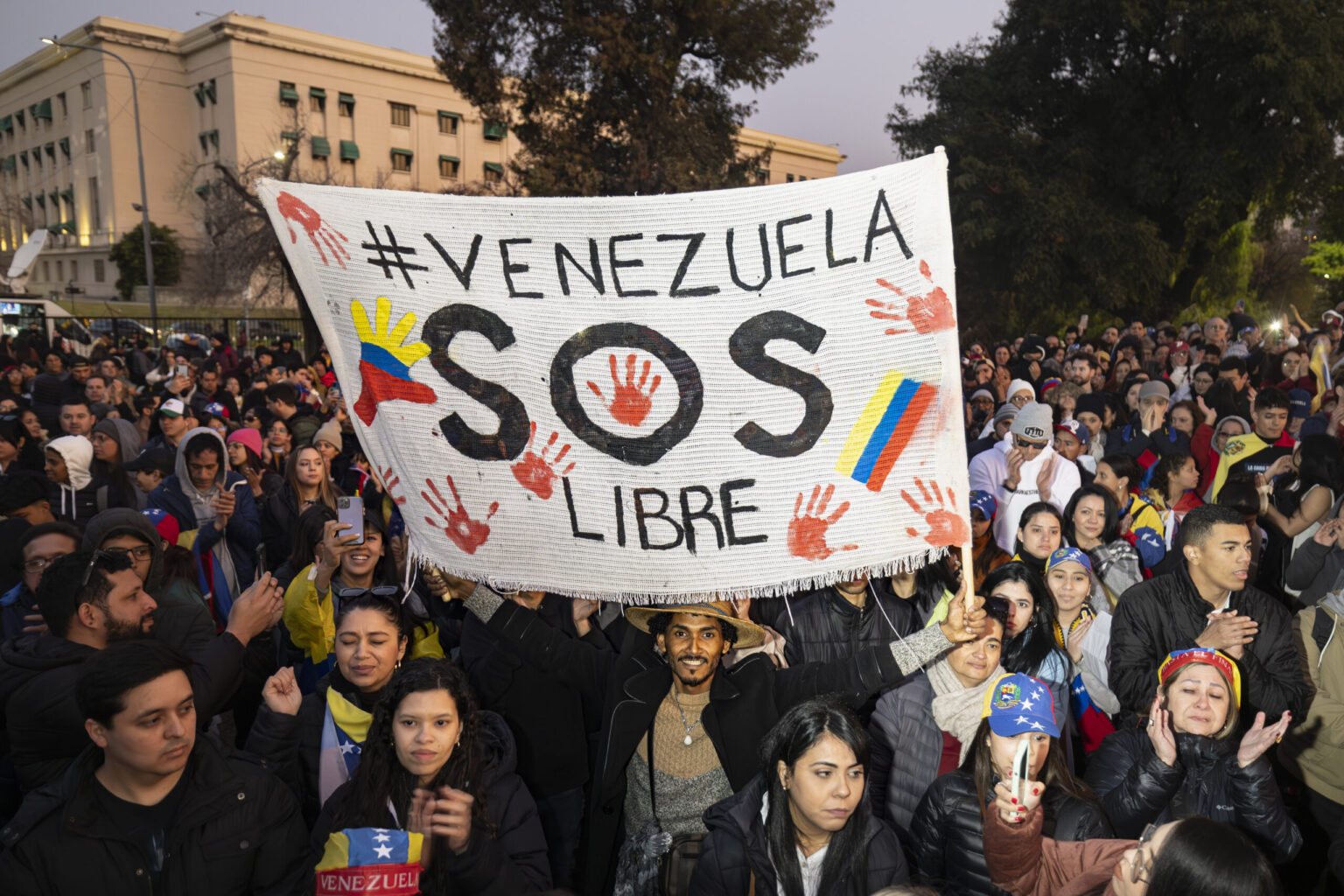
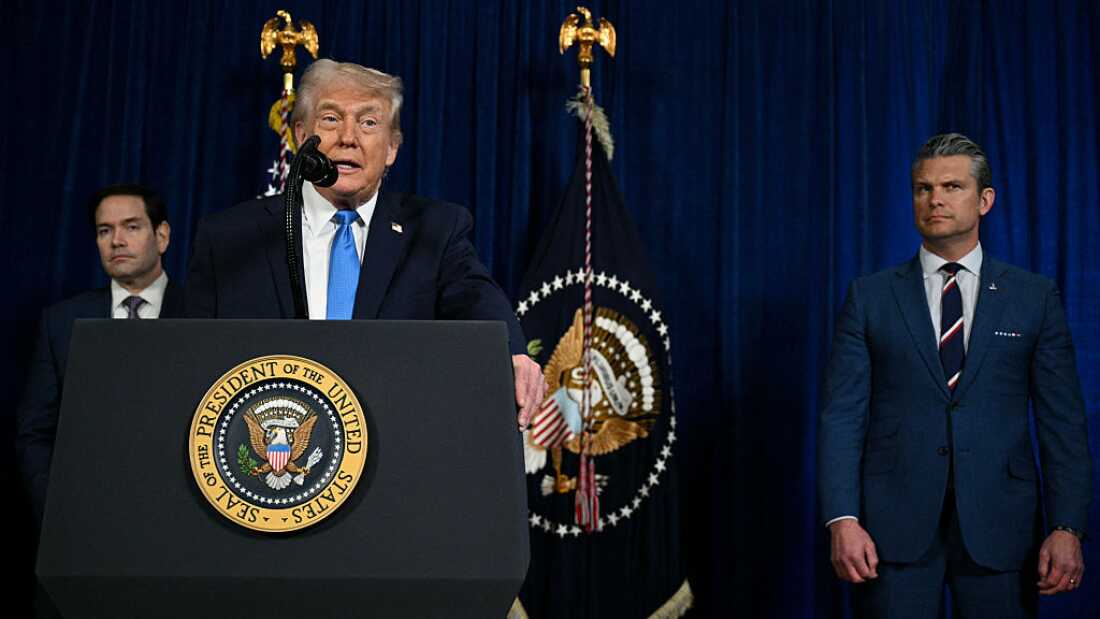
Caracas, Venezuela, January, 2026 — Brussels Morning Newspaper, In the early hours of Tuesday, senior officials in the Venezuelan capital called on citizens to engage in a coordinated online show of unity after a controversial social media post by former United States president Donald Trump drew sharp reactions in Caracas. The initiative, described as symbolic and peaceful, marked the launch of the Venezuela social media action, framed as a national digital response to what authorities said was a misrepresentation of sovereignty and territorial identity.
The announcement placed Venezuela at the center of a broader debate over how nations respond to provocative messaging in the digital age, where images and symbols can travel faster than diplomacy.
The Trigger Behind the Digital Call
Officials said the government’s response was prompted by an altered image shared online by Trump that appeared to expand U.S. influence across several regions, including Venezuela. While the post was interpreted by some as rhetorical, leaders in Caracas argued that visual symbolism carries political weight, especially during periods of heightened international tension.
Within hours, government communication channels coordinated messaging that encouraged calm participation, laying the groundwork for what would become the Venezuela social media action, designed to counter the imagery without escalating conflict.
Caracas as the Political and Communication Hub
The initiative was announced from Caracas, underscoring the role of the capital as both a political and communication center. Officials emphasized that central coordination was essential to ensure the message remained unified and restrained.
By anchoring the campaign in Caracas, authorities aimed to reinforce institutional legitimacy behind the Venezuela social media action, distinguishing it from spontaneous online movements that can quickly spiral beyond control.
Defining a Symbolic Digital Strategy
Government representatives were careful to describe the initiative as symbolic rather than confrontational. Citizens were encouraged to share official national imagery, including maps and flags, alongside messages emphasizing unity and dignity.
According to briefings, the Venezuela social media action was intentionally time-bound and focused on visibility rather than volume, reflecting an understanding that symbolism can resonate without overwhelming digital spaces.
Public Engagement Across Platforms
As the call spread, Venezuelans began posting coordinated messages across major platforms. Hashtags linked to national identity trended domestically, while images of official maps circulated widely.
Supporters said the Venezuela social media action offered a peaceful outlet for expressing concern, while critics questioned whether online gestures could influence international narratives. Despite differing views, engagement remained largely orderly, aligning with the government’s stated objectives.
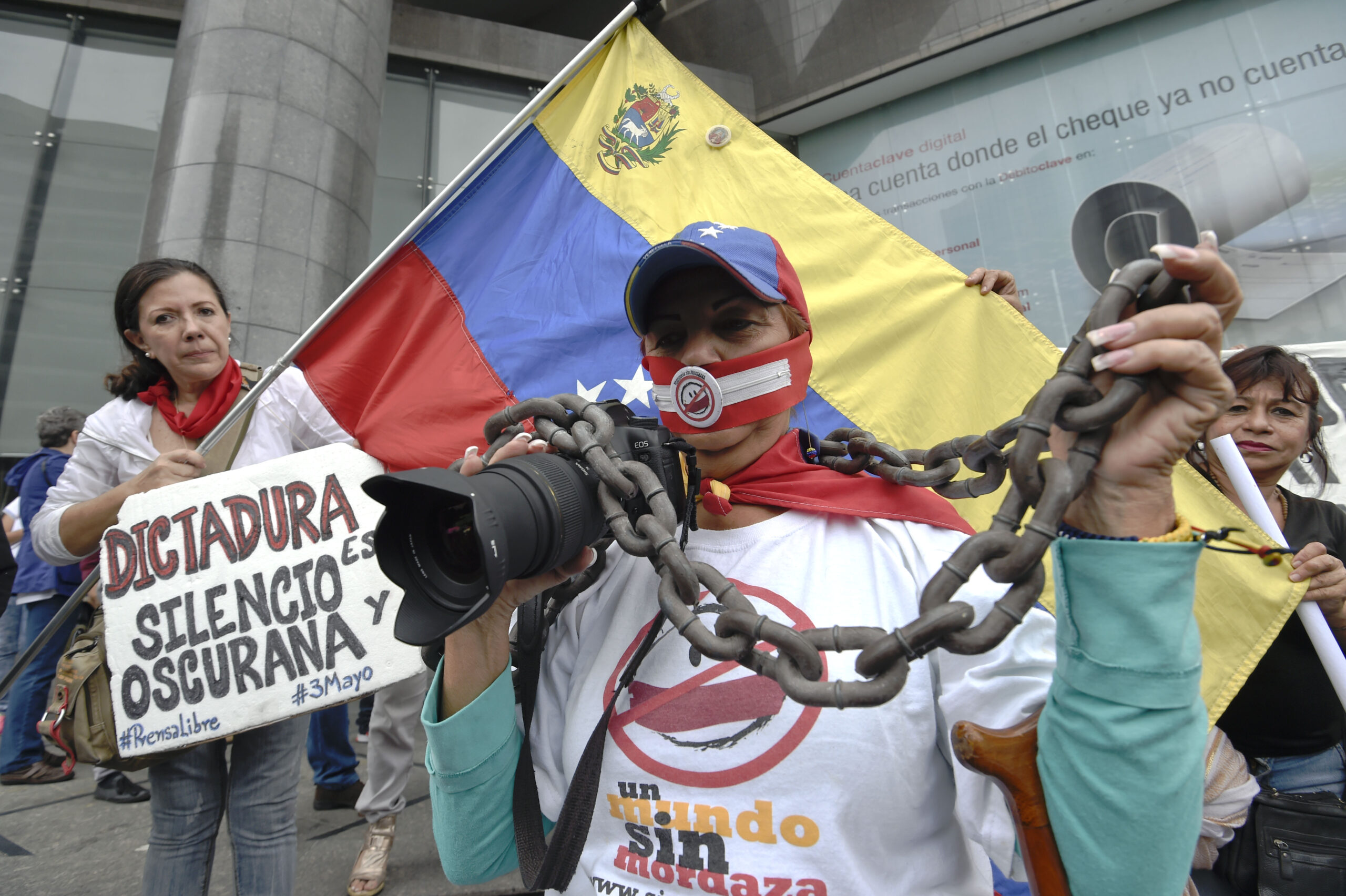
Digital Expression in a Polarized Climate
The episode highlights the growing role of social media as a tool for political expression in polarized environments. Unlike street demonstrations, digital actions allow participation without physical risk, making them attractive during sensitive moments.
In this context, the Venezuela social media action reflects a calculated use of digital space to channel sentiment while minimizing the potential for unrest.
Regional and International Sensitivities
Venezuela’s relationship with Washington has long been strained, and online symbolism has added a new layer to that tension. Regional observers note that digital campaigns, even symbolic ones, can influence perceptions beyond national borders.
Officials stressed that the Venezuela social media action was not intended to provoke foreign governments, but to address domestic concerns about representation and dignity.
One Official Perspective
One senior official involved in the planning said,
“This initiative is about unity and respect, showing that our national identity cannot be casually redrawn online.”
Managing Information and Accuracy
Authorities said monitoring teams were established to ensure shared content remained accurate and avoided inflammatory language. Citizens were urged to rely on official imagery rather than altered visuals circulating online.
This emphasis on accuracy was presented as central to the credibility of the Venezuela social media action, reflecting lessons learned from previous digital misinformation episodes.
Citizens and Responsible Participation
Alongside the call to participate, officials urged responsible online behavior. Guidance shared through public channels encouraged users to avoid harassment, false claims, or personal attacks.
By framing digital engagement as a civic responsibility, the Venezuela social media action sought to elevate discourse rather than deepen division.
National Symbols in the Online Sphere
Flags, maps, and slogans have long been tools of national expression, but their migration into digital spaces has amplified their reach. A single image can now circulate globally within minutes.
By standardizing the imagery shared, the Venezuela social media action aimed to prevent fragmentation and ensure consistent representation across platforms.
Political Messaging in the Digital Era
Experts say the episode reflects a broader shift in political communication. Governments increasingly recognize that online narratives can shape public opinion as powerfully as traditional statements.
Within this landscape, the Venezuela social media action illustrates how states attempt to assert narrative control without resorting to aggressive rhetoric.
Broader Implications for Governance
While the immediate campaign may be short-lived, its implications extend further. Digital mobilization is becoming a standard tool in governmental communication, particularly during moments of external pressure.
For Venezuelan authorities, the Venezuela social media action may serve as a template for future responses to perceived online provocations.
The Balance Between Symbolism and Substance
Analysts caution that digital gestures must be accompanied by substantive policy to avoid being dismissed as performative. Officials acknowledged this balance, emphasizing that the campaign was one element of a broader diplomatic and communication strategy.
Within that framework, the Venezuela social media action was positioned as a signal rather than a solution.
Domestic Debate and Media Coverage
Local media outlets covered the initiative extensively, framing it as a reflection of modern political engagement. Opinion pieces debated the effectiveness of symbolic actions, while news coverage focused on participation levels.
The sustained attention suggested that the Venezuela social media action had succeeded in capturing national focus, even as opinions diverged on its impact.
Digital Diplomacy and the Future
As diplomacy increasingly intersects with online platforms, symbolic digital actions may become more common. Governments are learning to navigate this space, balancing openness with control.
In this evolving environment, the Venezuela social media action highlights both the opportunities and limitations of digital diplomacy.
Looking Ahead in 2026
As the year progresses, attention will turn to whether the initiative influences broader discussions about sovereignty and representation. While immediate diplomatic shifts are unlikely, the campaign has already shaped domestic discourse.
For policymakers, the Venezuela social media action underscores the importance of readiness in responding to online narratives that can quickly escalate.
A Measured Digital Signal
Venezuela’s call for a symbolic online response reflects a careful attempt to harness digital engagement without inflaming tensions. By encouraging unity, accuracy, and restraint, authorities sought to turn a provocative moment into a controlled expression of national identity.
In an era where geopolitics increasingly unfolds online, the Venezuela social media action stands as an example of how states may seek to defend dignity through pixels rather than protests.