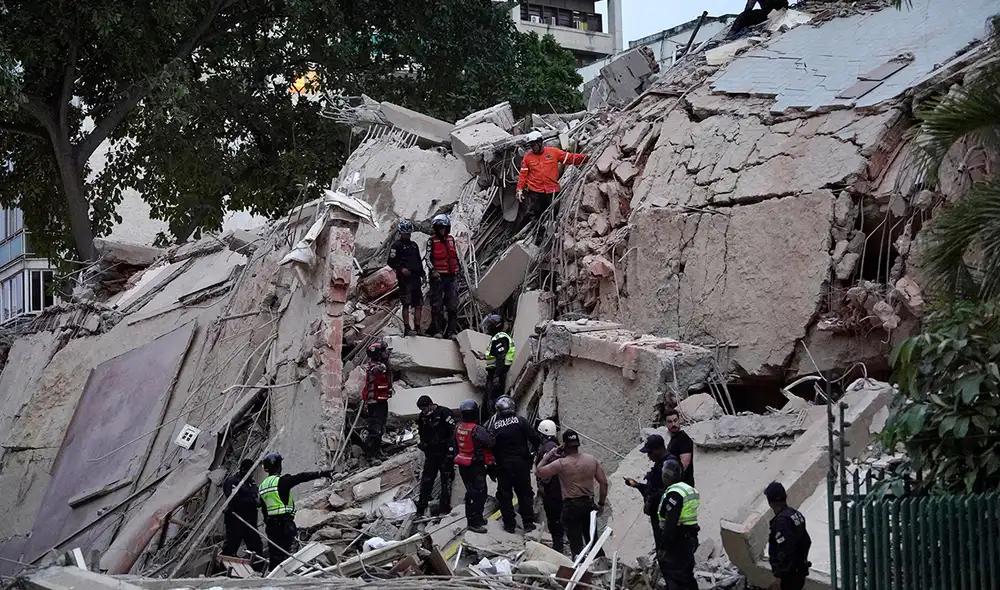
Caracas, July 18 Brussels Morning Newspaper — Venezuela’s emergency response to the devastating June earthquakes is under renewed scrutiny after multiple sources familiar with the rescue operation said delayed military orders and command confusion slowed the initial deployment of troops and emergency personnel. The reported delays occurred during the critical first hours following the disaster, when local residents and volunteer responders began rescue efforts before larger government teams reached the hardest-hit areas.
Military Response Reportedly Slowed During Critical Hours
Sources involved in the emergency operation said rescue efforts were affected by delays in issuing deployment orders and uncertainty over command responsibilities. The lack of a clearly coordinated response reportedly slowed the arrival of military units and specialized rescue teams to communities severely damaged by the earthquakes.
Government officials have maintained that emergency protocols were activated promptly and that military personnel, civil protection agencies and medical teams were mobilized as quickly as conditions allowed.
Earthquakes Caused Widespread Damage Across Northern Venezuela
The powerful earthquakes struck Venezuela’s northern Caribbean coast in late June, causing extensive destruction in La Guaira and nearby regions. Residential buildings, hospitals, roads and public infrastructure suffered heavy damage, leaving thousands of people dead or injured and forcing many families from their homes.
Authorities continue to oversee recovery and rebuilding efforts while engineers assess damaged structures and restore essential services in affected communities.
Recovery Efforts Continue as Response Faces Review
Emergency operations have largely shifted from rescue missions to reconstruction and humanitarian support. National and international organizations continue assisting displaced residents with temporary shelter, medical care and essential supplies.
The reported delays in the Venezuela quake response have increased public attention on disaster preparedness, emergency coordination and the ability of government agencies to respond quickly during future natural disasters. Reviews of emergency procedures are expected as reconstruction efforts continue across the affected regions.