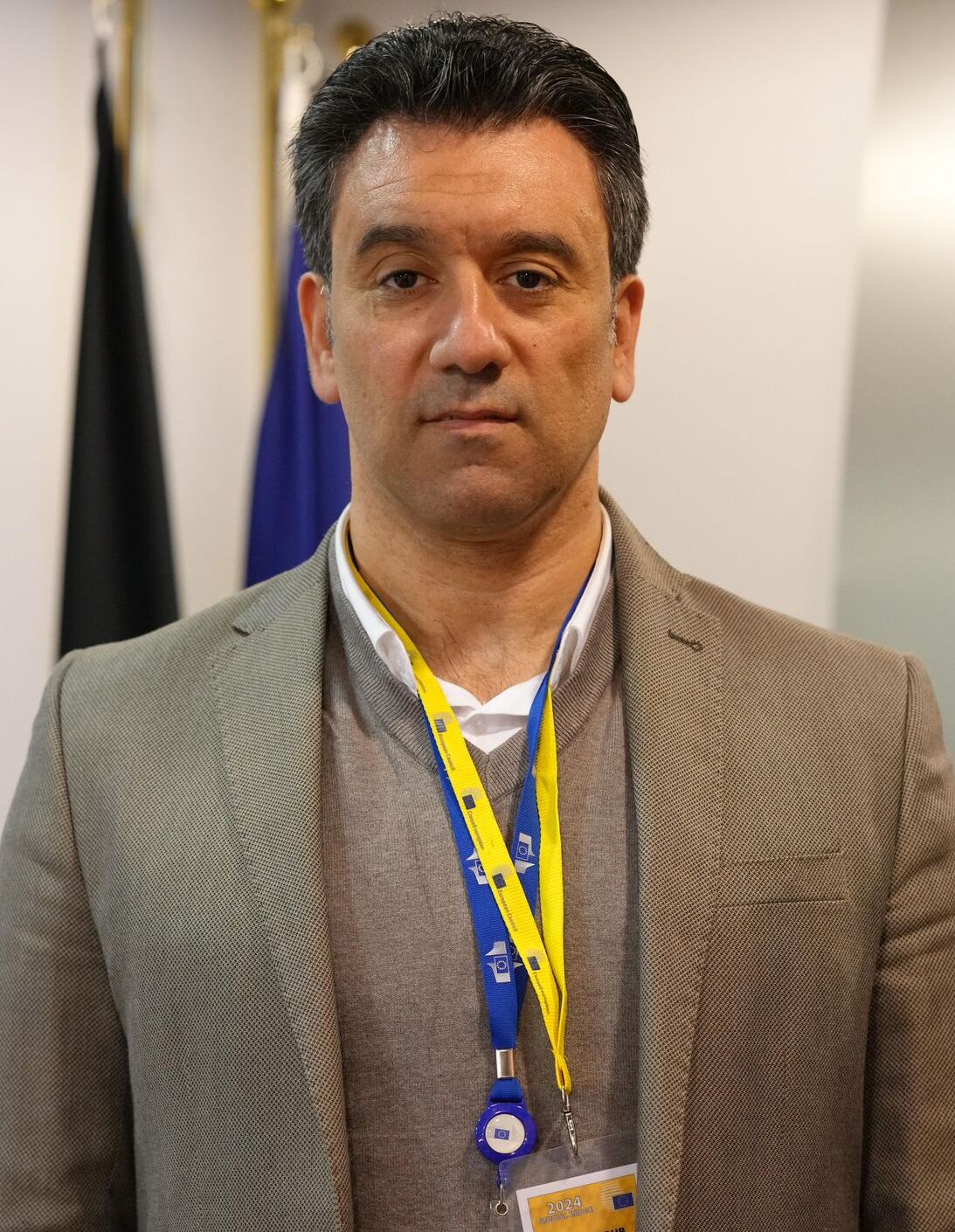
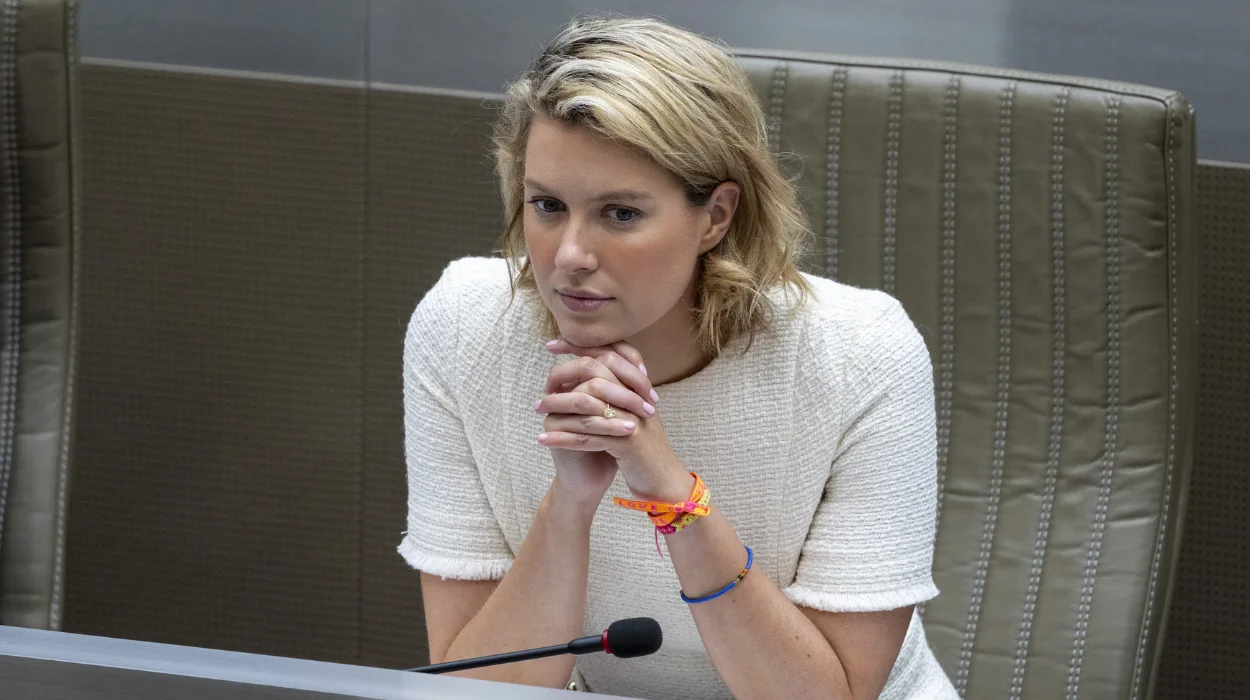
Antwerp (Brussels Morning Newspaper) – January 19, 2026 – Antwerp Mayor Bart Van Doesburg has received court approval to ban demonstrations by pro-Palestine protesters on the Grote Markt. The ruling confirms the mayor’s authority to restrict gatherings in the historic square for public safety reasons. Protesters’ challenges to the bans have been dismissed by judicial authorities.
- Court Ruling Details and Legal Basis
- Background of Pro-Palestine Protests in Antwerp
- Mayor Van Doesburg’s Ban Implementation
- Protesters’ Legal Challenges and Arguments
- Public Safety Justifications Cited by Authorities
- Alternative Locations Offered to Protesters
- Comparative Protest Policies in Belgian Cities
- Community and Stakeholder Reactions
- Impact on Upcoming Scheduled Events
- Broader Context of Protest Rights in Flanders
- Historical Precedents of Grote Markt Restrictions
- Ongoing Monitoring and Future Applications
A recent court decision in Antwerp has affirmed Mayor Bart Van Doesburg’s power to prohibit pro-Palestine demonstrations on the Grote Markt, the city’s central historic square. The mayor issued multiple bans in late 2025 citing risks to public order amid rising tensions from Middle East conflicts. Protesters argued the restrictions violated free assembly rights, but judges upheld the measures based on established local regulations.
Court Ruling Details and Legal Basis
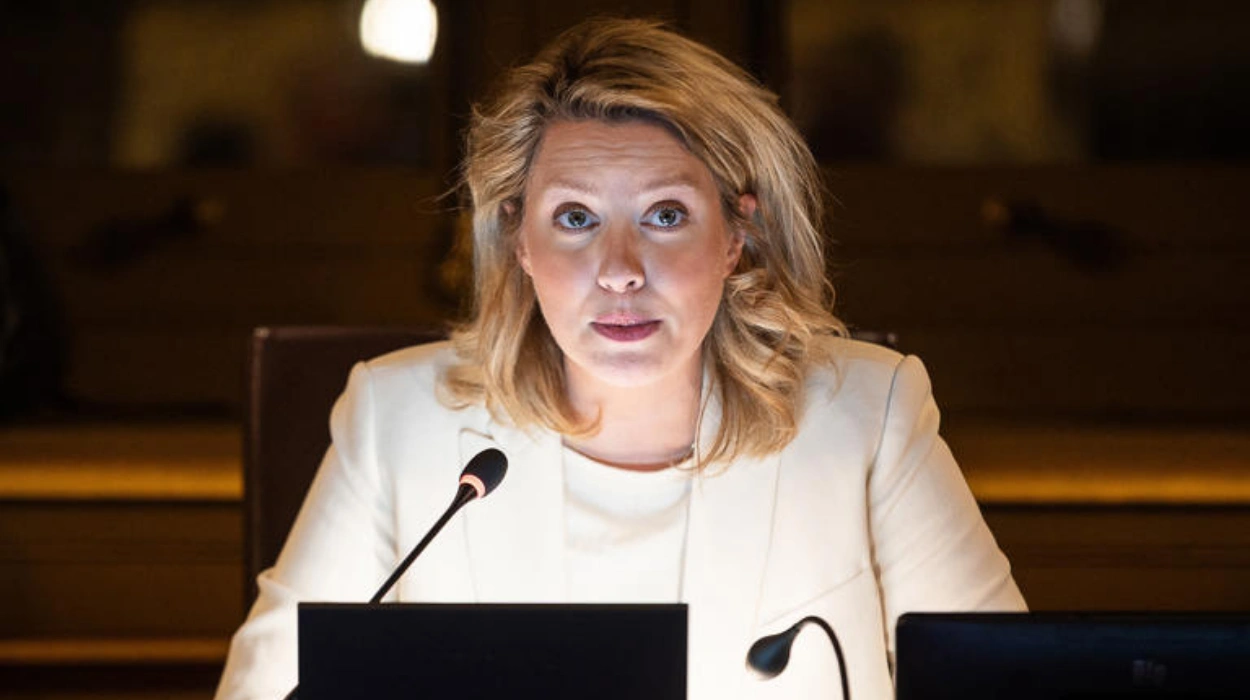
The Raad van State, Belgium’s highest administrative court, reviewed appeals from pro-Palestine groups against Mayor Van Doesburg’s decrees. Rulings issued on January 15, 2026, suspended the protesters’ claims, confirming the bans’ legality under the Antwerp Police Regulations of 2005. These rules grant mayors discretion to limit events in sensitive public spaces when safety threats arise.
Previous bans targeted weekly gatherings planned by local Palestine solidarity committees. Police reports documented prior incidents involving counter-protests, verbal confrontations, and traffic disruptions around the Grote Markt. The court noted sufficient evidence of potential disorder, prioritising prevention over accommodation.
Mayor Van Doesburg referenced Article 137 of the new Belgian Civil Code and municipal bylaws allowing proactive restrictions. The decisions apply specifically to the Grote Markt, sparing other locations like the Groenplaats.
Background of Pro-Palestine Protests in Antwerp
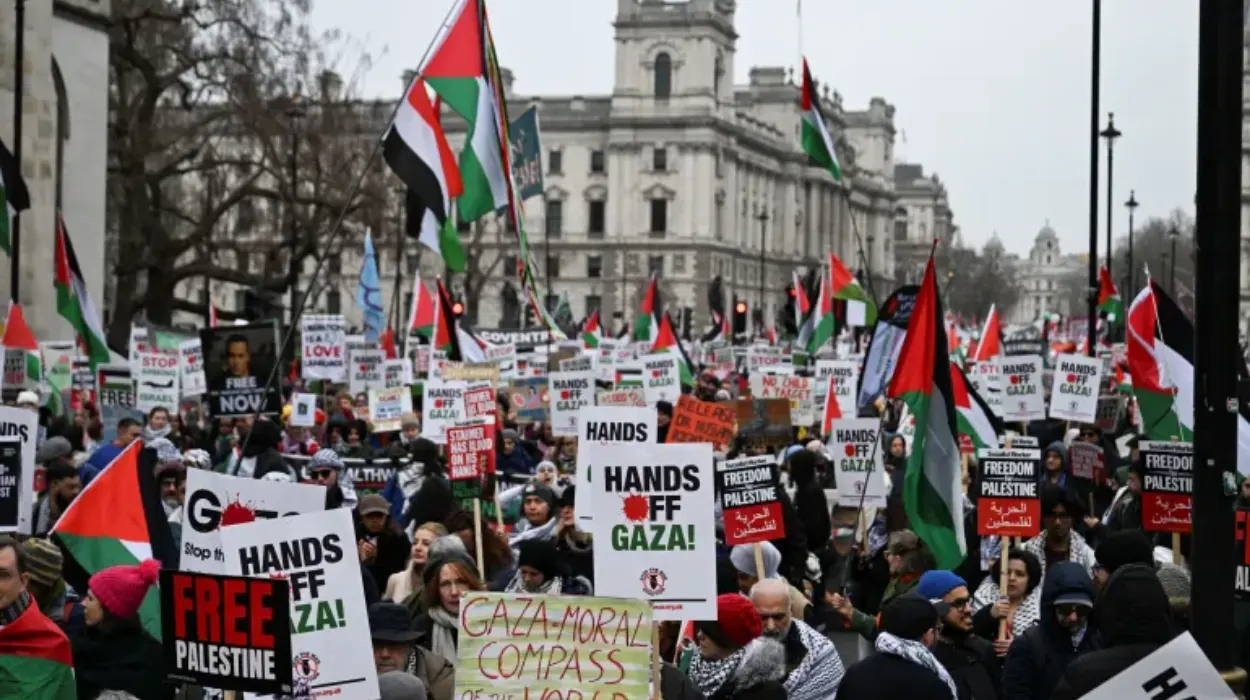
Pro-Palestine demonstrations surged in Antwerp following the October 2023 Israel-Hamas war escalation. Groups such as the Palestine Campaign and local Muslim associations organised over 50 events by mid-2025, drawing thousands. Initial permits allowed peaceful marches, but authorities observed patterns of slogan-chanting escalating tensions in Jewish quarters nearby.
Antwerp’s diverse population, including Europe’s largest Orthodox Jewish community outside Israel, heightened sensitivities. Past protests featured flags, banners, and speeches criticizing Israeli policies, prompting counter-gatherings by pro-Israel supporters. Police mediated 12 interventions in 2025 to prevent clashes.
The Grote Markt, a UNESCO-listed site hosting markets and tourists, emerged as a focal point due to its visibility. Organisers selected it for symbolic impact, but capacity limits—accommodating 5,000 standing—strained emergency access.
Mayor Van Doesburg’s Ban Implementation
Mayor Van Doesburg, a N-VA party member since 2020, enacted the first ban on October 20, 2025, for a scheduled pro-Palestine vigil. Subsequent decrees covered November and December dates, extended into 2026 pending threats. Each order specified durations, typically four hours, and alternative venues like the Stadspark.
Police enforced bans with barriers and patrols, dispersing small crowds without arrests on most occasions. One November 15 event saw 200 protesters redirected peacefully. The mayor’s office published rationales online, citing intelligence on potential infiltrators from radical groups.
City council debates in December 2025 supported the approach, with opposition parties questioning proportionality but acknowledging security data.
Protesters’ Legal Challenges and Arguments
Pro-Palestine organisations filed urgent appeals, claiming violations of Article 11 of the European Convention on Human Rights guaranteeing assembly freedoms. Lawyers argued the bans lacked individual threat assessments and disproportionately silenced minority voices. Supporting affidavits detailed non-violent histories of prior events.
Petitioners included Intal and Vrede vzw, veteran peace groups, alongside newer collectives. They proposed self-policing measures like reduced numbers and no amplifications to mitigate risks. Court filings referenced successful accommodations in Brussels and Ghent squares.
Judges dismissed these, emphasising municipal autonomy in space management. Dissenting opinions noted in lower courts focused on dialogue mandates before blanket bans.
Public Safety Justifications Cited by Authorities
Antwerp police compiled dossiers showing 25% of 2025 protests requiring interventions, including thrown objects and blocked trams. Intelligence linked some participants to flagged extremists monitored by State Security. The Grote Markt’s layout—surrounded by guildhalls and cafes—limits escape routes during escalations.
Mayor Van Doesburg highlighted tourism impacts, with 8 million annual visitors relying on the square’s accessibility. Emergency vehicle access narrowed to one lane during gatherings, delaying responses. Neighbouring Meir shopping street reported 15% footfall drops post-disruptions.
Flemish Interior Minister Annelies Verlinden endorsed similar measures region-wide, referencing a 2024 framework for protest zoning.
Alternative Locations Offered to Protesters
City officials designated the Franklin Rooseveltplaats and Antwerpen-Centraal station forecourt as approved sites. These accommodate larger crowds with better policing logistics. A January 10, 2026, pro-Palestine event at Rooseveltplaats proceeded with 1,500 attendees and no incidents.
Logistical support included free sound equipment and permit fast-tracks. Protester feedback via city portals indicated mixed reception, praising capacity but critiquing distance from city heart.
Comparative Protest Policies in Belgian Cities
Brussels permits pro-Palestine marches with strict routes avoiding Schuman Square EU institutions. Ghent restricts Cinquantenaire Park peripheries. Antwerp’s model aligns with Liège, where mayors banned central广场 events post-2024 riots.
A 2025 Flemish Parliament report surveyed 50 municipalities, finding 70% imposing time-place-manner restrictions on contentious protests. National guidelines from the College for the Protection of Privacy balance expression with order.
Community and Stakeholder Reactions
Antwerp’s Jewish Consistory welcomed rulings, citing harassment spikes during protests. Mosque federations urged calm, affirming non-violent advocacy commitments. Tourism board tracked no cancellations tied to bans.
Local N-VA councillors praised judicial backing, while Vooruit opposition called for mediation committees. Pro-Palestine spokespersons announced plans for legal reviews at European Court of Human Rights levels.
Impact on Upcoming Scheduled Events
Three pro-Palestine requests for Grote Markt post-January 15 face automatic denials under upheld decrees. Organisers pivot to approved zones, with February 1 earmarked for Rooseveltplaats. Police allocate 100 officers per event, up from 60 pre-rulings.
City monitors compliance, preparing fines up to €350 for violations per the GAS-system.
Broader Context of Protest Rights in Flanders
Flemish decrees since 2017 codify mayor powers amid rising demonstrations on migration, climate, and geopolitics. A 2025 audit found 85% ban success rates in courts, emphasising evidence thresholds. Training programmes for officials stress proportionality documentation.
Antwerp logs 400 annual permits, rejecting 12% primarily for overlap or risk profiles.
Historical Precedents of Grote Markt Restrictions
The square hosted restricted events during COVID-19 lockdowns and 2016 terror alerts. Yellow Vest protests faced bans in 2018 after window breakage. Courts consistently deferred to executive safety calls.
Municipal archives record 30 bans since 2000, overturned twice on procedural grounds.
Ongoing Monitoring and Future Applications
Mayor Van Doesburg’s office reviews bans bi-weekly, lifting if threats subside. Protester dialogues scheduled quarterly via the city’s peace platform. Metrics track hate crime correlations pre- and post-restrictions.
Flemish government observes for potential model legislation expansions.