
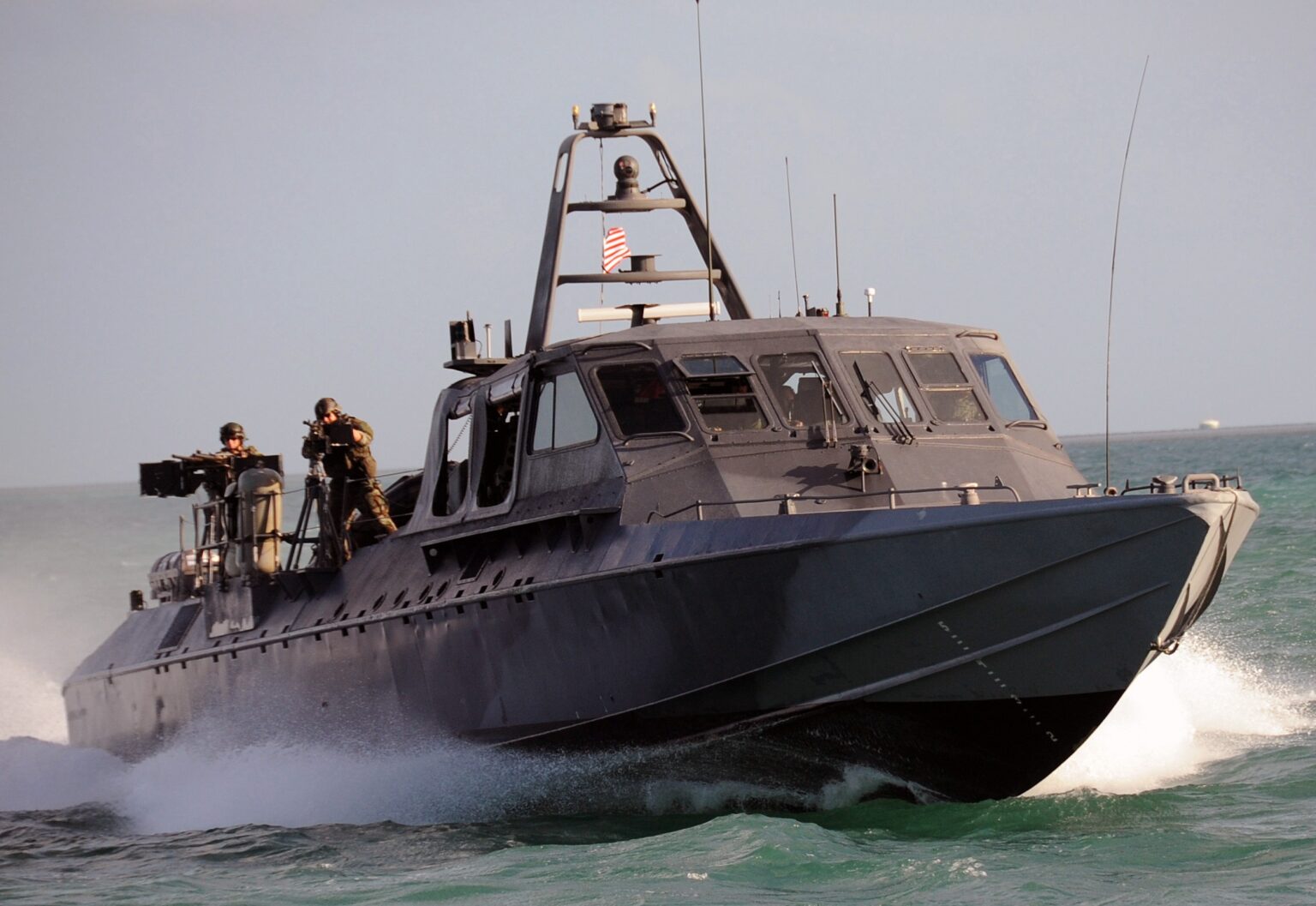
A US Military Boat Strike has come under formal review, drawing attention from Congress, defense officials, and the public as questions emerge about accountability, rules of engagement, and transparency. As modern conflicts increasingly involve maritime operations, even limited incidents can trigger significant political and diplomatic consequences. The current review reflects growing pressure on the US military to clearly explain the circumstances surrounding overseas operations, particularly when civilians, allied forces, or sensitive regions are involved.
While the Pentagon has acknowledged the incident, officials have been careful to avoid speculation as investigations continue. The review process highlights the broader challenge facing the United States military: balancing operational secrecy with public accountability in an era of real-time information and heightened scrutiny.
What Is Known About the US Military Boat Strike
Details surrounding the US Military Boat Strike remain limited as investigators work to establish a complete timeline. According to initial statements, the strike involved a military vessel operating in a contested maritime area where hostile activity had been reported. Defense officials have stated that the vessel was responding to perceived threats consistent with standing rules of engagement.
Early reports suggest the operation was conducted during heightened regional tensions, complicating decision-making for personnel on the ground and at sea. Officials have emphasized that no conclusions should be drawn until the review is completed, underscoring the complexity of naval operations in congested waterways.
Why the Strike Is Under Review
The decision to formally review the US Military Boat Strike reflects both internal military procedures and external political pressure. Congressional leaders from both parties have called for clarity, emphasizing that oversight is a constitutional responsibility rather than a partisan issue.
Several factors typically trigger such reviews:
- Questions about compliance with rules of engagement
- Concerns over intelligence accuracy
- Potential civilian or third-party involvement
- Broader implications for regional stability
In this case, lawmakers have indicated that the review will examine whether the response was proportionate, justified, and consistent with US military doctrine.
Congressional Oversight and Political Reaction
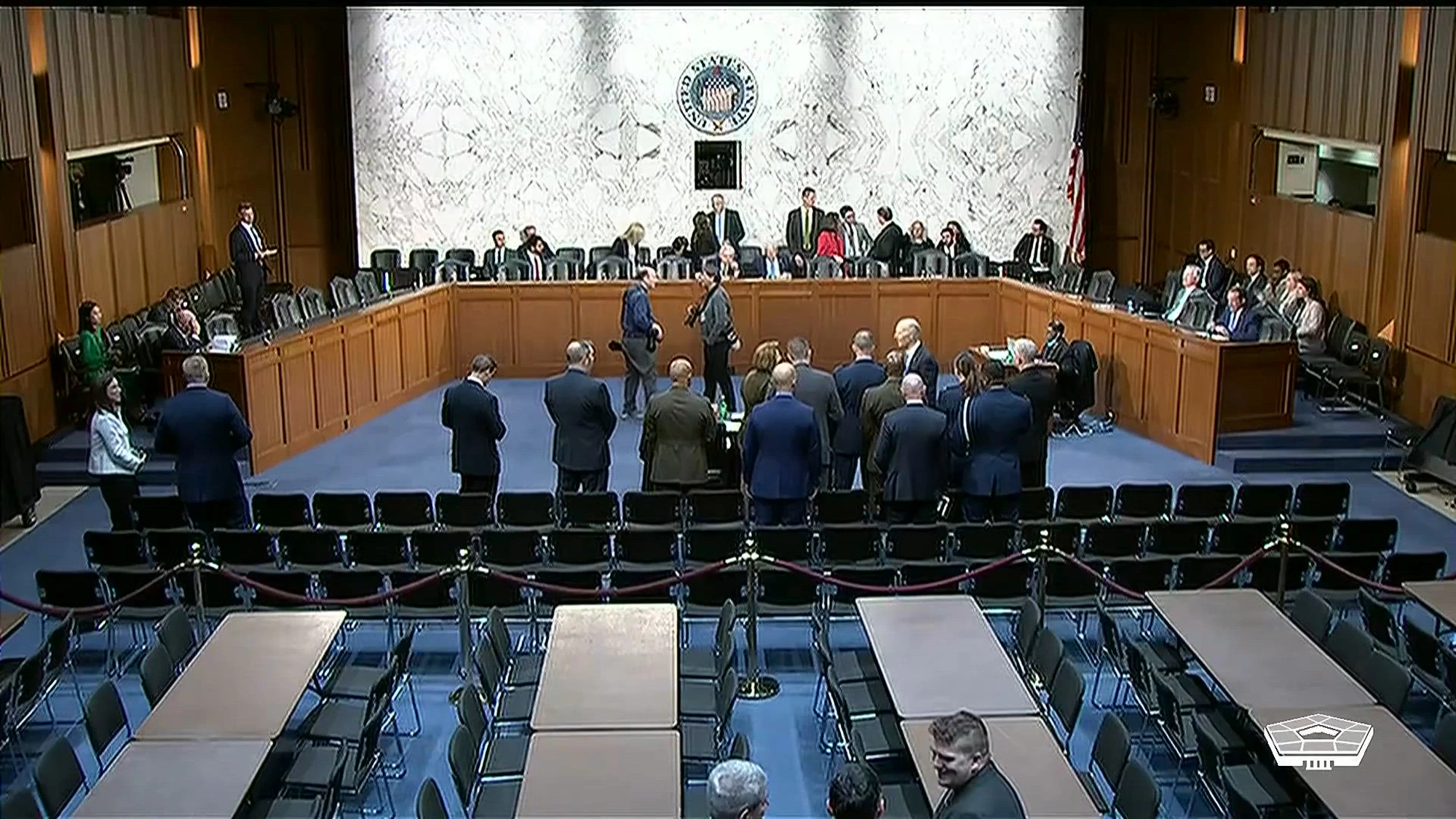
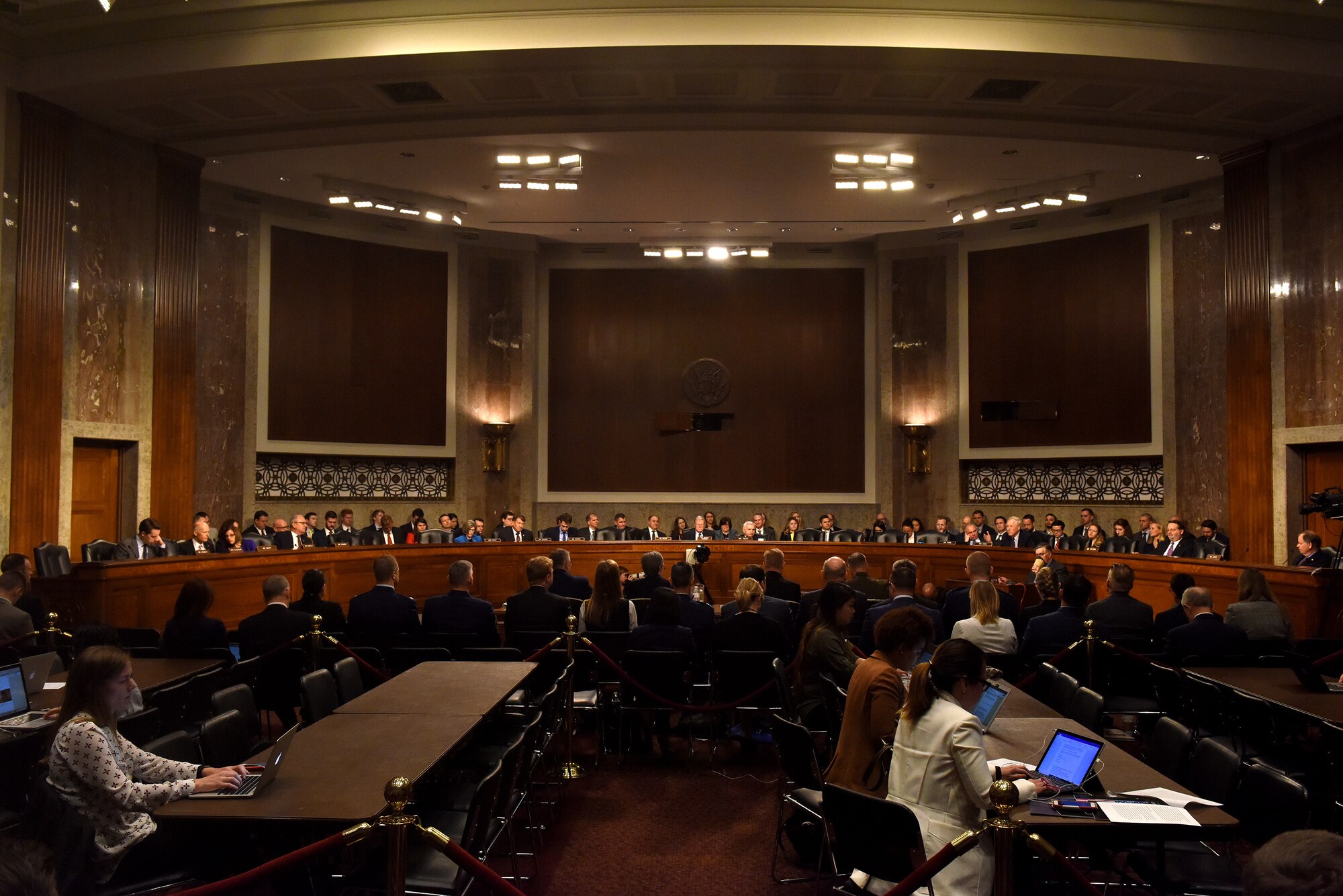
Congressional scrutiny of the US Military Boat Strike has intensified amid broader debates over military authority and executive power. Members of defense and foreign relations committees have requested briefings, signaling that the issue may extend beyond routine operational review.
Some lawmakers argue that increased transparency strengthens public trust in the military, while others caution against politicizing battlefield decisions. Despite differing views, there is broad agreement that Congress must understand how decisions are made in fast-moving maritime scenarios.
This review also comes at a time when lawmakers are reassessing US military commitments worldwide, making the incident part of a larger conversation about strategy, readiness, and oversight.
Rules of Engagement in Maritime Operations
Understanding the US Military Boat Strike requires context about maritime rules of engagement. Naval operations differ significantly from land-based missions due to factors such as:
- Limited reaction time
- Difficulty identifying hostile intent at sea
- Proximity to civilian vessels
- International maritime law considerations
Rules of engagement are designed to provide commanders with flexibility while minimizing unintended escalation. Investigators reviewing the strike will assess whether the vessel’s crew acted within these guidelines and whether those guidelines remain appropriate for modern threats.
Public Reaction and Media Attention
Public interest in the US Military Boat Strike has grown as media coverage expands. In an era of social media and instant reporting, military incidents rarely remain isolated from public discourse. Analysts note that even incomplete information can shape perceptions before official findings are released.
Public reaction has been mixed. Some citizens emphasize the dangers faced by service members operating in hostile environments, while others call for stricter oversight to prevent unnecessary escalation or harm. This divide reflects broader national debates about military engagement and transparency.
International Implications
Beyond domestic concerns, the US Military Boat Strike carries potential international ramifications. Maritime incidents can strain diplomatic relationships, particularly when they occur near disputed waters or involve multinational shipping lanes.
Foreign governments are closely monitoring the review process, as its outcome may influence:
- Freedom of navigation operations
- Military cooperation with allies
- Regional security dynamics
The US military’s handling of the review will likely be seen as a signal of how seriously it takes accountability in international operations.
The Review Process Explained
The review of the US Military Boat Strike is expected to follow established military procedures. These typically include:
- Collection of operational logs and communications
- Interviews with involved personnel
- Analysis of intelligence assessments
- Legal review under military and international law
While the process can take weeks or months, defense officials stress that thoroughness is essential. Rushed conclusions risk undermining both operational integrity and public confidence.
Accountability Versus Operational Security
One of the central tensions highlighted by the US Military Boat Strike review is the balance between accountability and operational security. Military leaders must protect sensitive information that could compromise future missions, while lawmakers and the public seek sufficient detail to ensure responsible conduct.
This balance has become increasingly difficult as technology enables rapid dissemination of information. Even limited disclosures can fuel speculation, placing additional pressure on officials to communicate clearly without jeopardizing security.
Historical Context of Similar Incidents
The US Military Boat Strike is not without precedent. Over the years, maritime incidents involving US forces have periodically sparked reviews, investigations, and policy changes. These events have contributed to evolving doctrines aimed at reducing miscalculation while preserving the ability to respond decisively to threats.
Historically, such reviews have led to:
- Updated training protocols
- Revised rules of engagement
- Improved communication systems
- Enhanced coordination with allies
Observers note that the current review may similarly influence future naval operations.
Military Readiness and Decision Making
At the operational level, the US Military Boat Strike raises questions about decision-making under pressure. Naval crews often operate with incomplete information, relying on training and command guidance to make split-second judgments.
Defense analysts emphasize that reviews are not inherently punitive. Instead, they serve as tools to identify lessons learned and improve readiness. In many cases, findings lead to systemic improvements rather than individual disciplinary action.
What Comes Next
As the review of the US Military Boat Strike continues, officials are expected to provide periodic updates. Final findings may be shared with Congress and, in a limited form, with the public. The timeline will depend on the complexity of the investigation and the sensitivity of the information involved.
Potential outcomes include:
- Confirmation that actions were consistent with policy
- Recommendations for procedural changes
- Additional training requirements
- Policy adjustments related to maritime operations
Broader Implications for US Military Policy
The scrutiny surrounding the US Military Boat Strike reflects a broader shift in how military actions are evaluated. Increased oversight, public engagement, and global attention mean that even isolated incidents can shape national policy discussions.
As the US reassesses its global military posture, incidents like this one contribute to debates about risk, restraint, and responsibility. The outcome of the review may influence future decisions about naval deployments and engagement strategies.
The US Military Boat Strike under review represents more than a single operational incident. It underscores the challenges of conducting military operations in complex environments while maintaining public trust and international credibility. As investigators work toward conclusions, the process itself highlights the importance of accountability, transparency, and careful decision-making.
Whether the review results in policy changes or reaffirms existing practices, it will likely shape discussions about US military operations for months to come. In an era of heightened scrutiny, how the military responds to such incidents may be just as important as the actions themselves.