

US labor law violations overseas have emerged as a growing concern as American government agencies and contractors expand their operational footprint beyond national borders. From refugee processing centers and diplomatic facilities to defense logistics and humanitarian missions, US backed activities increasingly rely on overseas labor. While these operations are intended to support global stability and humanitarian goals, allegations of labor violations raise troubling questions about compliance, ethics, and accountability.
As globalization accelerates, the responsibility to uphold fair labor standards does not diminish. Instead, it becomes more complex. The issue of US labor law violations overseas reflects systemic challenges in oversight, enforcement, and contractor management that demand closer scrutiny.
The Expansion of US Operations Abroad
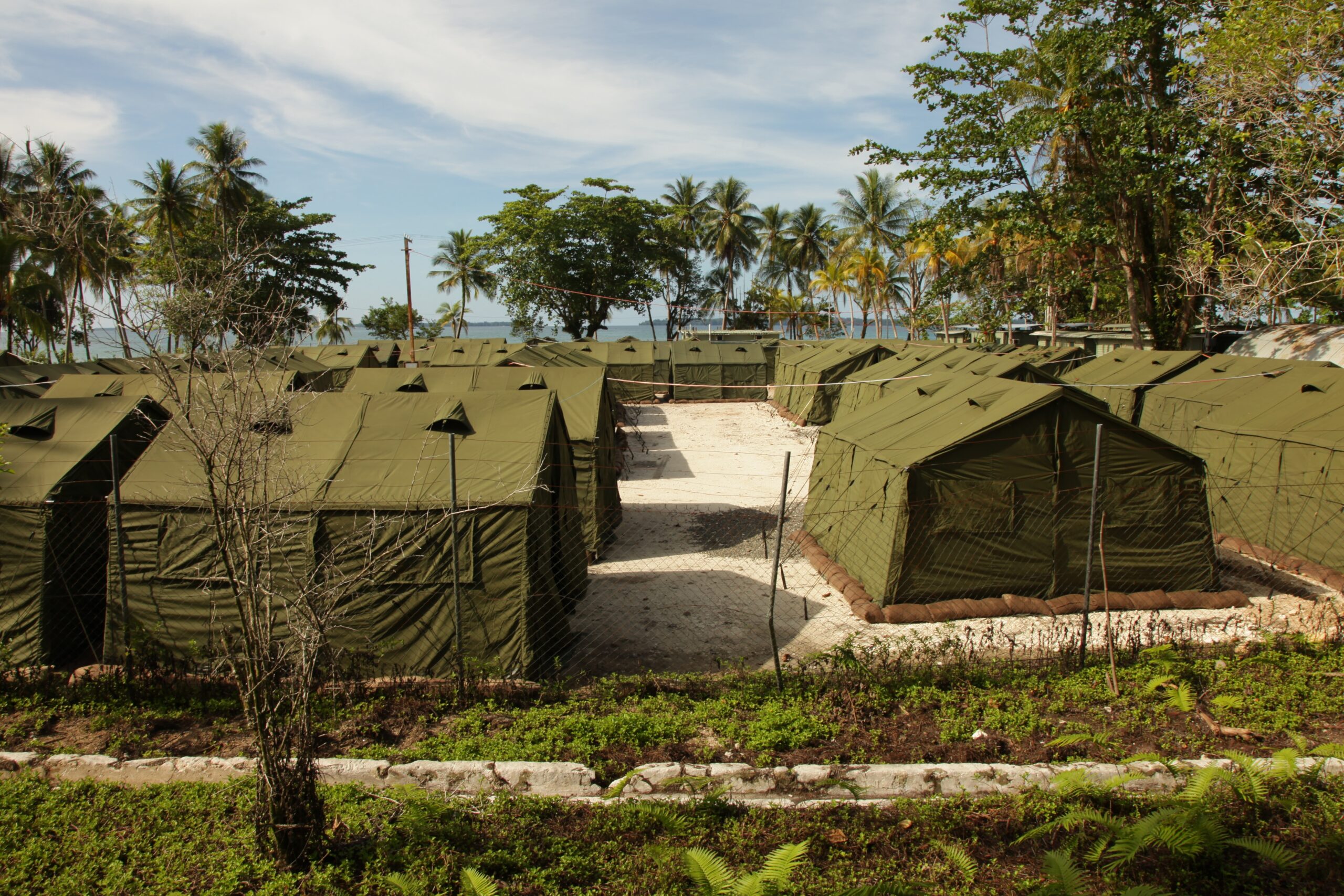
Over the past two decades, the United States has significantly expanded its overseas operations. Government agencies increasingly rely on foreign facilities and local labor forces to carry out administrative, technical, and support functions. This trend has been driven by cost considerations, efficiency goals, and the need to operate closer to regions of geopolitical importance.
However, this expansion has also increased the risk of US labor law violations overseas. When operations are outsourced or relocated abroad, layers of responsibility can blur. Contractors may operate under different legal frameworks, and oversight mechanisms may struggle to keep pace with the scale and complexity of global operations.
How US Labor Laws Apply Overseas
Understanding US labor law violations overseas requires clarity on how American labor standards apply beyond domestic borders. While US labor laws primarily govern employment within the United States, American entities operating abroad are often subject to additional federal requirements tied to government contracts.
These standards may include fair wage provisions, nondiscrimination rules, worker safety expectations, and lawful hiring practices. In many cases, US contractors must comply with both local labor laws and specific US regulations. Failure to meet either standard can result in violations, penalties, and reputational damage.
The challenge lies in ensuring that compliance obligations are clearly understood and consistently enforced across borders.
Outsourcing and Contractor Risks
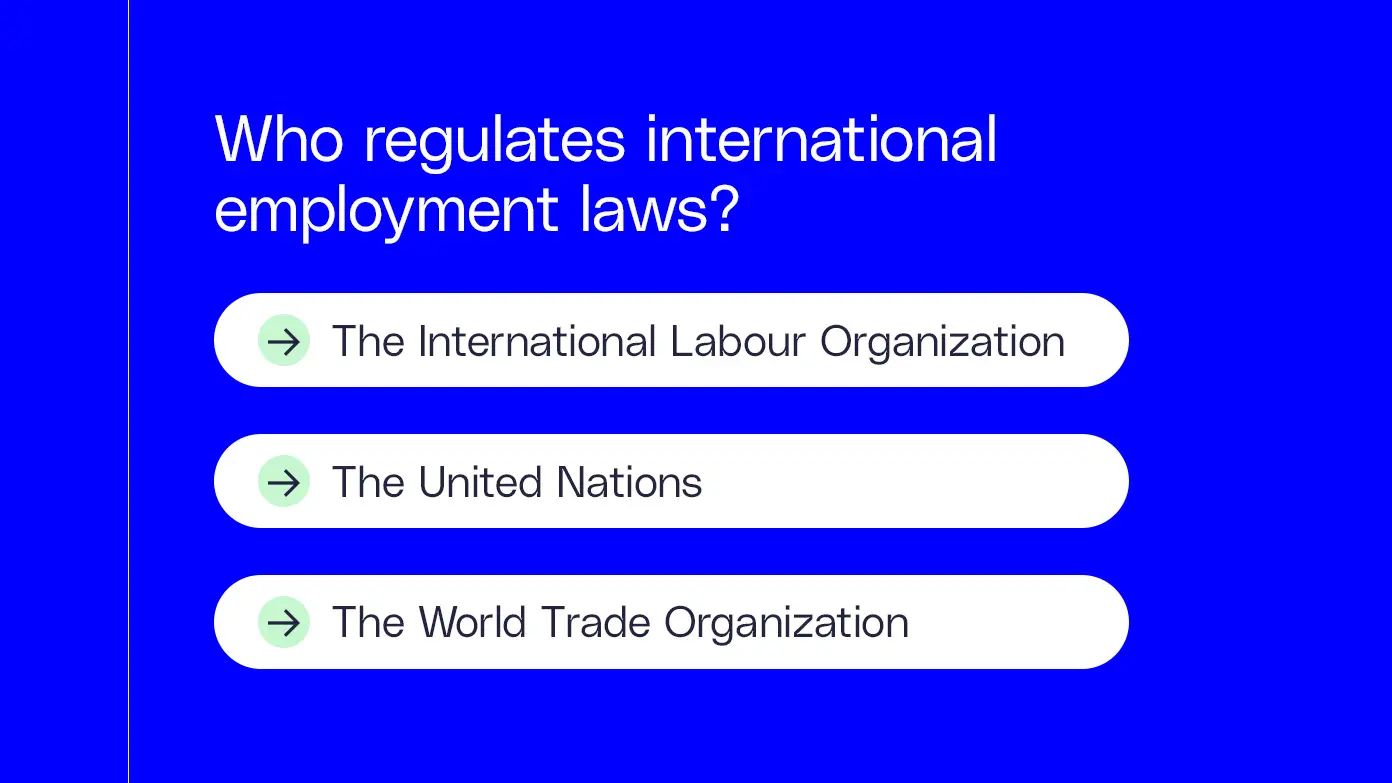
Outsourcing plays a central role in US labor law violations overseas. Government agencies frequently rely on private contractors to manage overseas operations. These contractors, in turn, may subcontract work to local firms, creating long chains of responsibility.
Each additional layer increases the risk of noncompliance. Cost pressures can incentivize shortcuts in hiring, wages, and documentation. Inadequate training or oversight may allow violations to persist unnoticed. When accountability is diffuse, corrective action becomes more difficult.
Experts argue that outsourcing must be accompanied by stronger monitoring and clearer contractual obligations to prevent abuse.
Allegations Involving Sensitive Operations
Recent allegations surrounding US labor law violations overseas have drawn attention to facilities performing sensitive functions, including refugee and immigration processing centers. These centers handle personal data, conduct interviews, and make recommendations that can alter lives.
Claims that workers were hired without proper authorization or employed under unlawful conditions raise serious concerns. Such practices not only violate labor standards but also undermine the integrity of critical government processes. When labor violations intersect with humanitarian operations, the consequences extend beyond legal risk into moral territory.
Legal Consequences and Liability
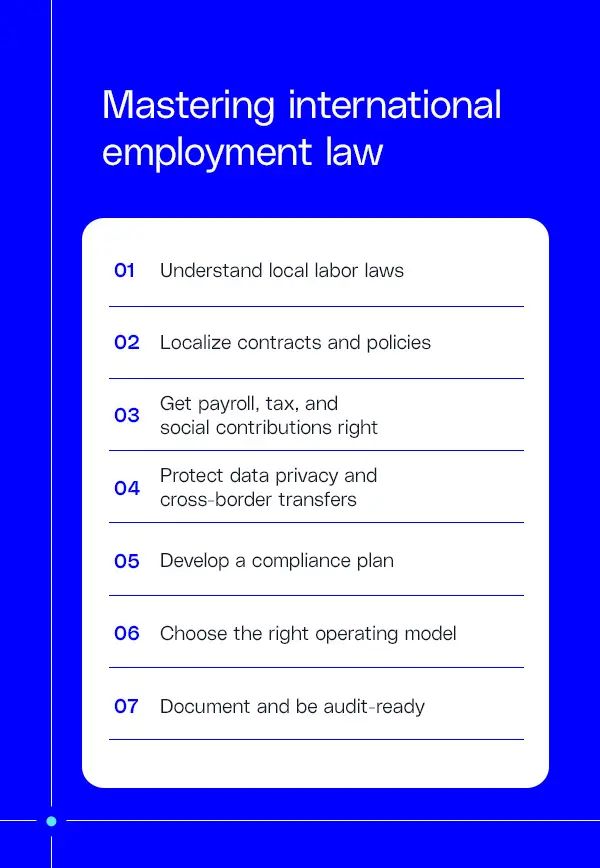
The legal implications of US labor law violations overseas can be significant. Contractors found in violation may face fines, contract termination, or exclusion from future government work. In some jurisdictions, criminal liability may apply.
US agencies may also face consequences, including congressional inquiries, audits, and policy reviews. Legal disputes can lead to costly settlements and operational disruptions. The financial impact is often compounded by reputational harm that can linger long after cases are resolved.
Compliance failures abroad can therefore carry long term consequences for both public and private entities.
Ethical Responsibilities of the United States
Beyond legality, US labor law violations overseas raise fundamental ethical questions. The United States frequently positions itself as a global advocate for human rights and rule of law. Labor abuses in US backed operations contradict these principles.
Workers employed by American funded projects should not face exploitation, unsafe conditions, or unlawful employment practices. Ethical leadership requires setting high standards and enforcing them consistently, regardless of geography.
For many observers, addressing labor violations is not merely a regulatory issue but a test of national values.
Impact on Overseas Workers
The human impact of US labor law violations overseas is often overlooked. Workers hired under illegal or exploitative conditions may lack job security, legal protections, or access to remedies. Fear of retaliation or deportation can silence complaints.
In some cases, workers may unknowingly participate in unlawful employment arrangements, exposing themselves to legal risk. These vulnerabilities underscore the importance of lawful hiring and transparent employment practices.
Protecting workers is essential to maintaining fair and sustainable overseas operations.
Effects on Host Countries and Communities
Host countries are also affected by US labor law violations overseas. Violations can strain diplomatic relations, undermine local labor markets, and create perceptions of unequal treatment. Local businesses that comply with labor laws may find themselves undercut by unlawful practices.
Governments hosting US operations expect respect for their legal frameworks. Failure to comply can damage trust and cooperation, complicating future partnerships.
Respecting local labor laws strengthens international relationships and promotes mutual accountability.
Oversight and Enforcement Challenges
Preventing US labor law violations overseas requires effective oversight, yet enforcement abroad presents unique challenges. Distance, language barriers, and cultural differences complicate monitoring efforts. Audits may be infrequent or limited in scope.
Whistleblower protections are often weaker overseas, discouraging workers from reporting violations. Without reliable reporting mechanisms, abuses can remain hidden.
Experts advocate for enhanced oversight structures, including independent inspections and stronger reporting channels.
Calls for Reform and Accountability
In response to ongoing concerns, policymakers and watchdog organizations are calling for reforms to address US labor law violations overseas. Recommendations include stricter contractor vetting, clearer compliance requirements, and increased transparency.
Some proposals suggest public disclosure of labor compliance records and audit findings. Others call for dedicated oversight offices focused exclusively on overseas operations.
Reform efforts aim to ensure that global operations reflect the same standards expected domestically.
International Cooperation as a Solution
Addressing US labor law violations overseas also depends on cooperation with host nations. Collaborative enforcement efforts can enhance compliance and build trust. Joint inspections and information sharing strengthen accountability.
International cooperation reinforces the idea that labor rights are universal, not optional. When the United States works alongside host countries, compliance becomes a shared responsibility rather than a point of conflict.
Such partnerships can improve outcomes for workers and governments alike.
The Future of Overseas Compliance
As global operations continue to expand, US labor law violations overseas will remain a critical issue. Advances in digital monitoring, remote audits, and data analytics offer new tools for enforcement.
However, technology alone cannot solve systemic problems. Meaningful change requires leadership commitment, adequate resources, and a culture of compliance. Organizations must view labor standards as integral to mission success, not as administrative burdens.
The future of overseas operations depends on getting this balance right.
US labor law violations overseas highlight the complex intersection of globalization, governance, and human rights. When labor standards are ignored abroad, the damage extends to workers, host countries, and the credibility of the United States.
Ensuring lawful and ethical employment practices is essential for sustainable global engagement. Strong oversight, transparency, and accountability are not optional they are fundamental obligations. Addressing these challenges decisively will help restore trust and uphold the principles the United States claims to champion worldwide.