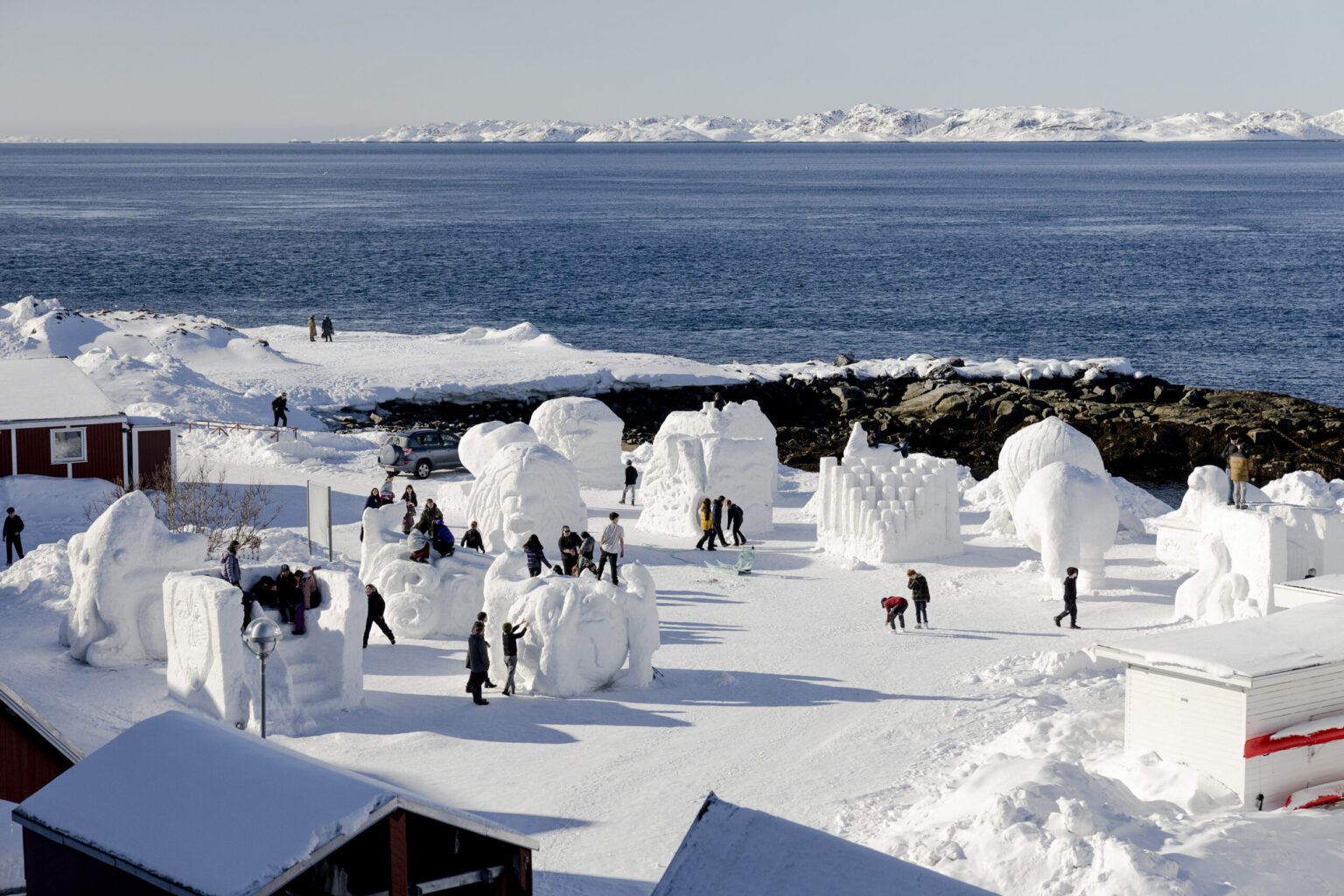
Nuuk, Greenland — January, 2026: Coverage in Brussels Morning Newspaper places Greenland firmly at the center of international attention as US Greenland interest deepens amid accelerating climate change, rising great power competition, and renewed focus on Arctic security. Long viewed as geographically remote, Greenland has entered a new phase of global relevance, driven by its strategic position, resource potential, and role in shaping the future balance of power in the High North.
Arctic Change Redraws the Global Map
The Arctic is no longer a distant frontier insulated from global politics. Rising temperatures have transformed the region faster than almost any other part of the world, reducing ice cover and extending seasonal access to waters once considered impassable. These changes have elevated US Greenland interest by turning geography into opportunity and vulnerability at the same time.
Shipping lanes linking Asia, Europe, and North America are increasingly discussed in strategic circles, while the Arctic’s role in global climate systems has drawn unprecedented scientific attention. Greenland’s location at the crossroads of these developments makes it central to both environmental monitoring and geopolitical planning.
Greenland’s Strategic Geography
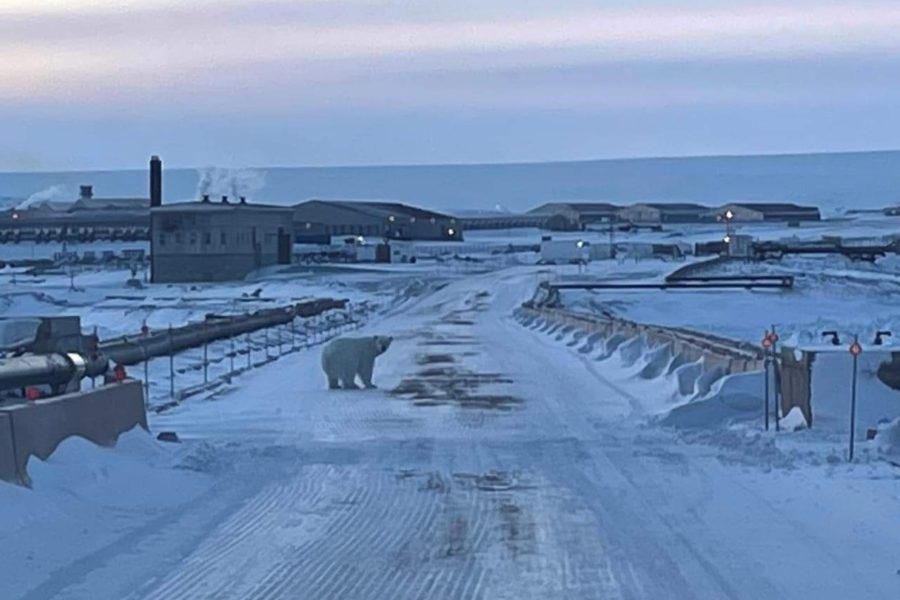
Greenland’s vast landmass stretches deep into the Arctic Circle, bridging the North Atlantic and Arctic Ocean. Airspace above the island remains a key corridor for transatlantic aviation, while surrounding waters are increasingly relevant for maritime movement. This geography underpins US Greenland interest as planners consider early warning, communication networks, and logistical reach across northern latitudes.
The island’s terrain also offers unique advantages for satellite tracking, missile detection, and space surveillance, capabilities that have grown more important as technology accelerates and response times shorten.
Political Framework and Autonomy
Greenland governs itself as an autonomous territory within the Kingdom of Denmark, controlling most domestic policy while Denmark oversees defense and foreign affairs. This arrangement has gained visibility internationally as US Greenland interest brings intensified diplomatic engagement.
Local leaders have repeatedly emphasized that autonomy and democratic consent are non-negotiable principles. While international attention has increased, Greenland’s government continues to stress that any cooperation must align with local priorities and long-term self-determination.
Defense Infrastructure and Arctic Security
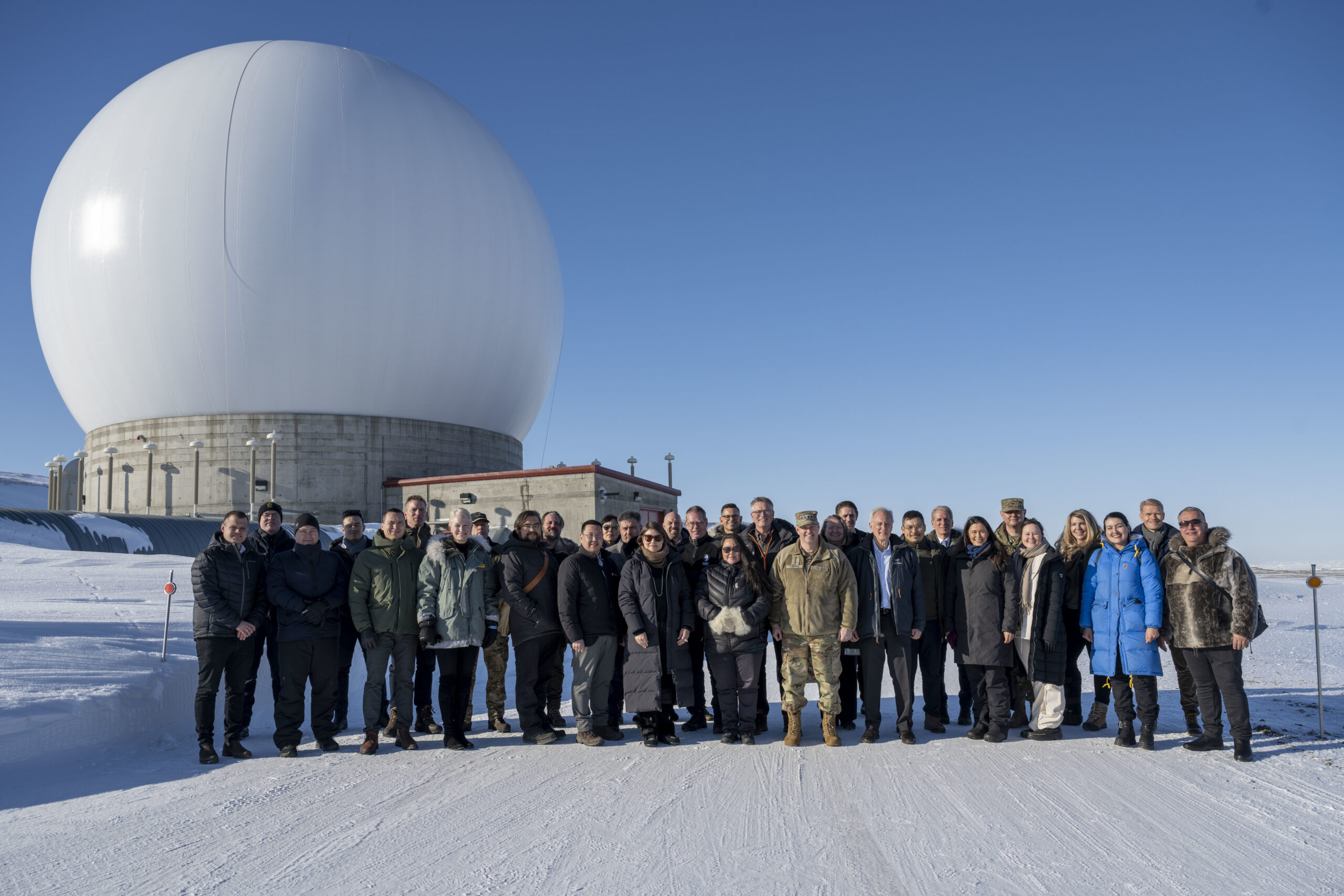
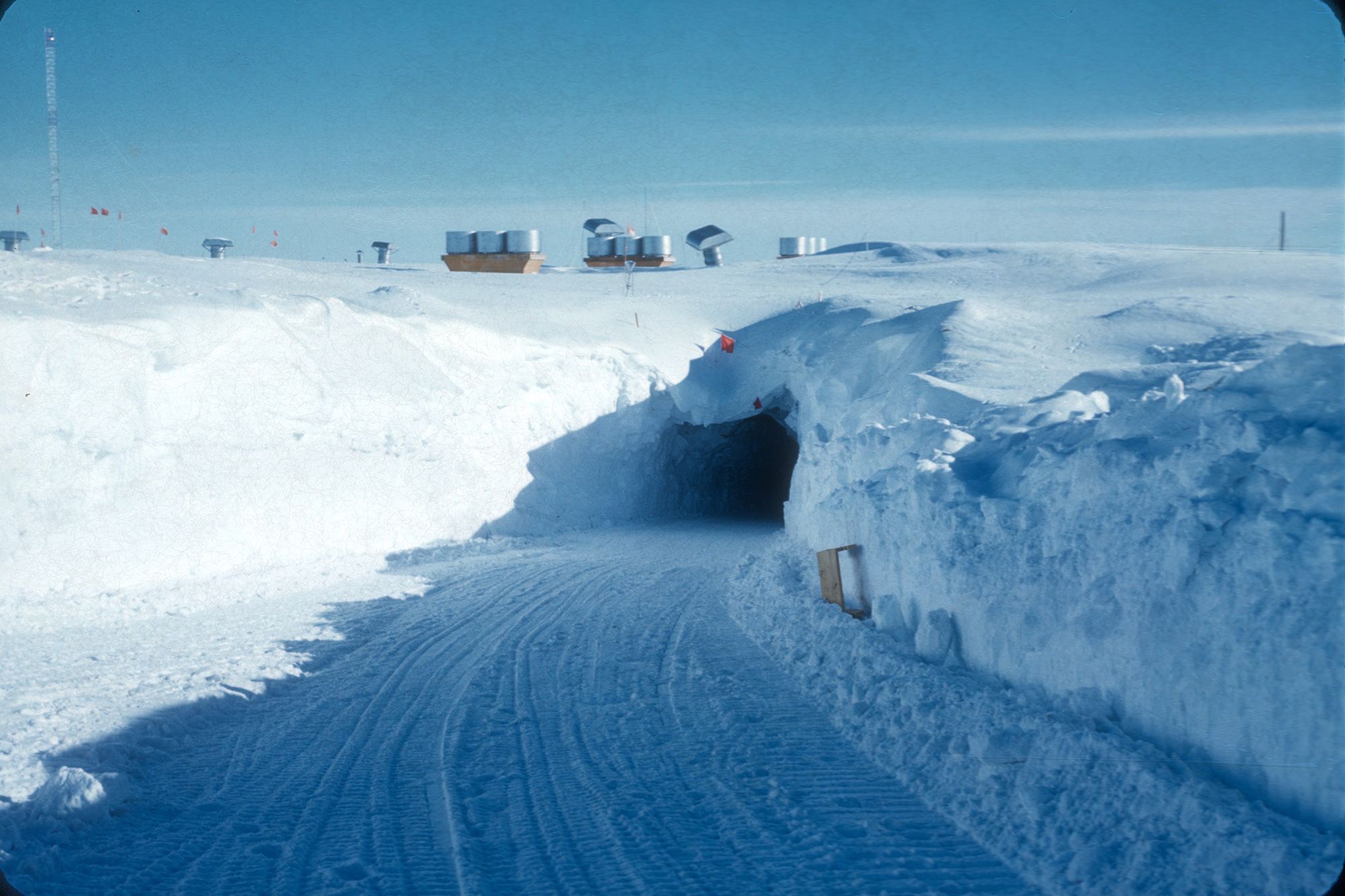
Security considerations remain a central pillar of US Greenland interest. The long-standing American presence at Thule Air Base plays a vital role in missile warning systems, space domain awareness, and Arctic surveillance. Technological upgrades at the site reflect evolving threat assessments rather than territorial ambition.
Military planners increasingly describe Greenland as indispensable for maintaining situational awareness across the Arctic and North Atlantic. Its value lies in detection, monitoring, and resilience rather than forward deployment.
Economic Opportunity Beneath the Ice
Economic factors further explain US Greenland interest. Greenland is believed to hold significant reserves of rare earth elements and other minerals essential for advanced manufacturing, renewable energy systems, and digital technologies. As global competition for these resources intensifies, secure and diversified supply chains have become a strategic concern.
Beyond mining, investment discussions have expanded to include ports, airports, renewable energy projects, and digital infrastructure. These initiatives could support economic diversification but also raise questions about environmental impact and regulatory capacity.
Environmental Sensitivity and Development Risks
Greenland’s ecosystems are among the most fragile on the planet. Melting permafrost, shifting wildlife patterns, and coastal erosion present challenges alongside opportunity. Managing US Greenland interest therefore involves balancing development ambitions with environmental protection.
Greenlandic authorities have underscored the importance of sustainability, insisting that economic growth must not come at the expense of long-term ecological stability or traditional ways of life.
Global Competition in the High North
The expansion of US Greenland interest unfolds within a broader context of Arctic competition involving Russia and China. Russia has invested heavily in Arctic military infrastructure, while China has increased scientific research, commercial engagement, and diplomatic outreach across polar regions.
These developments have heightened awareness in Washington and European capitals, reinforcing the perception that the Arctic is becoming an arena of strategic competition rather than quiet cooperation.
Greenland’s Diplomatic Balancing Act
Greenland’s leadership has responded to rising attention by emphasizing transparency and multilateral engagement. Rather than aligning exclusively with any single power, officials have sought to diversify partnerships while maintaining clear regulatory standards. This approach reflects the complexity of managing US Greenland interest alongside broader international engagement.
Diplomacy has focused on ensuring that cooperation strengthens local capacity rather than undermining autonomy.
Public Opinion and Social Debate
Inside Greenland, public attitudes toward US Greenland interest are shaped by generational, economic, and cultural factors. Younger residents often see foreign investment as a pathway to education, employment, and connectivity. Others worry about cultural preservation, environmental damage, and political influence.
Public consultation has become an increasingly prominent feature of policy discussions, reflecting a desire to ensure that development aligns with community values.
Transatlantic Relations and Alliance Coordination
Managing US Greenland interest requires close coordination with allies. Denmark has reiterated its responsibility for Greenland’s security while supporting cooperation that aligns with international law and alliance commitments. Arctic stability has become a recurring topic within NATO and European forums.
A senior Nordic official said,
“Greenland’s strategic importance should reinforce cooperation among partners rather than create new fault lines.”
The comment highlights a shared interest in unity amid shifting geopolitical realities.
Climate Change as a Strategic Multiplier
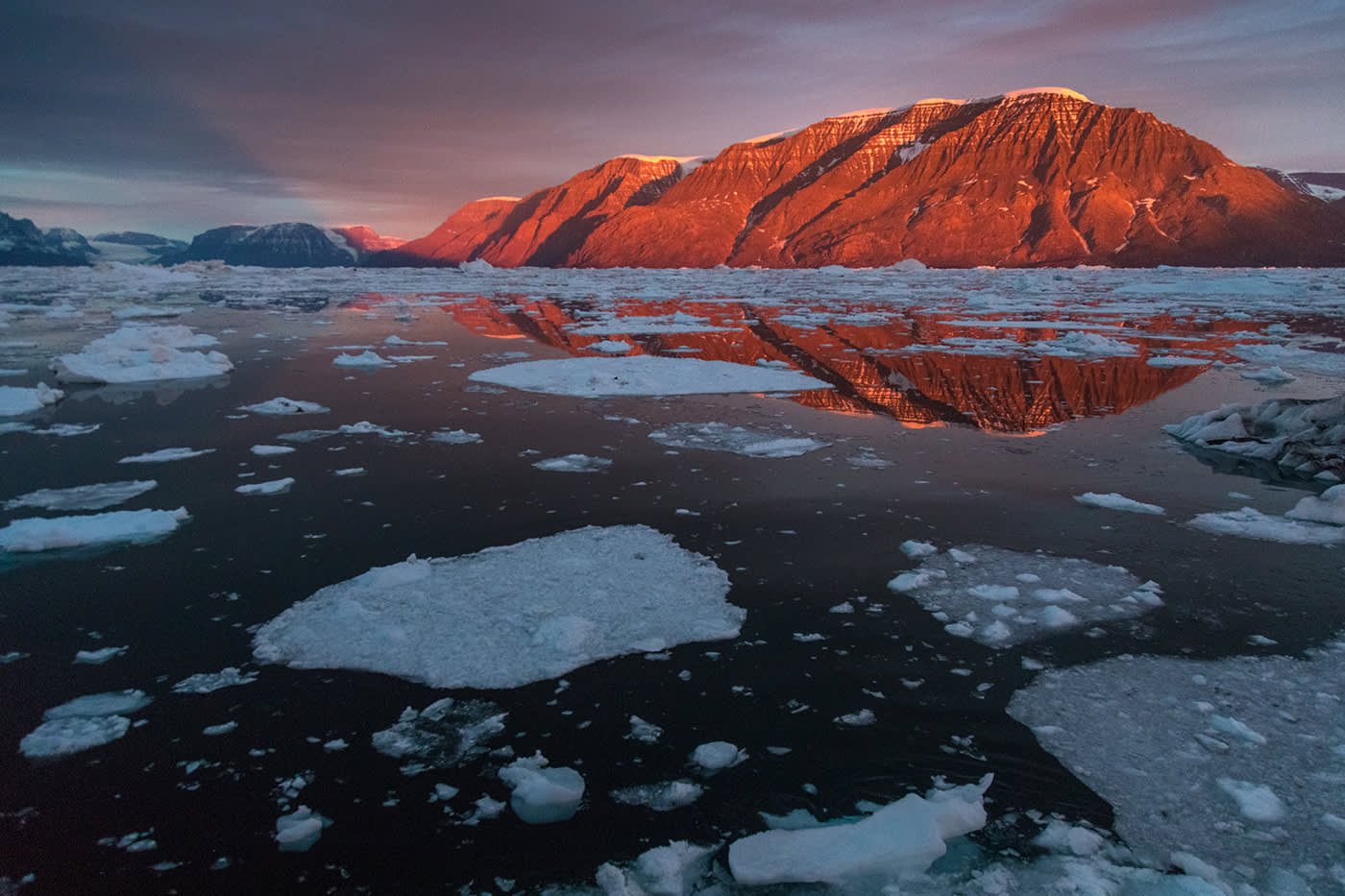
Climate change continues to amplify US Greenland interest by compressing timelines and increasing uncertainty. Infrastructure vulnerability, expanded search-and-rescue demands, and environmental monitoring needs now intersect directly with security planning.
Policy discussions increasingly integrate climate adaptation with defense readiness, recognizing that environmental instability can magnify geopolitical risk if left unmanaged.
Economic Sovereignty and Policy Choices
For Greenland, responding to US Greenland interest involves navigating complex decisions about economic sovereignty. Leaders face questions about regulatory frameworks, investment screening, and the pace of development. The goal is to ensure that growth strengthens local institutions rather than eroding control.
Lessons from other resource-rich regions inform a cautious approach focused on long-term resilience rather than short-term gains.
The Arctic in a Changing World
The attention surrounding Greenland reflects a broader transformation in global geopolitics. The Arctic is no longer peripheral; it is increasingly central to discussions about climate, security, and economic strategy. Greenland’s choices in 2026 will influence how international norms evolve in this rapidly changing region.
As US Greenland interest shapes diplomatic agendas, Greenland stands as an active participant rather than a passive subject, asserting its role in defining the future of the High North.
A Moment That Extends Beyond Ice
The developments unfolding in Greenland illustrate how geography, climate, and power are becoming inseparable. Decisions taken today will resonate for decades, shaping not only Arctic cooperation but also broader patterns of global engagement.
Greenland’s experience in 2026 underscores a central lesson of the modern era: even the most remote places can become pivotal when environmental change and strategic ambition converge.