
Washington, United States, January 2026 — Brussels Morning Newspaper highlights that fresh December inflation data has clarified the near-term direction of the US economy, offering policymakers and markets a clearer sense of balance after several years marked by volatility. Prices increased broadly in line with expectations, reinforcing confidence that inflation pressures are moderating without triggering a sharp slowdown, and positioning 2026 as a pivotal year for economic credibility, household confidence, and long-term growth.
December Inflation Figures Provide Clearer Signals
The latest consumer price data showed steady monthly increases, confirming forecasts and easing fears of renewed inflation spikes. Goods prices remained relatively contained, while services continued to account for most of the upward pressure. Economists described the figures as an important benchmark, helping define whether price stability is becoming durable rather than temporary.
For policymakers, predictable inflation trends create space for more deliberate decision-making. Stability in the US economy allows fiscal and monetary authorities to shift focus from crisis management toward longer-term structural priorities.
Housing Costs Continue to Shape Price Dynamics
Housing remained the single largest contributor to ongoing inflation pressure. Rents and owners’ equivalent rent rose steadily, reflecting supply constraints that have yet to fully ease. New construction has increased, but demand in urban centers continues to outpace available inventory.
Analysts warn that housing affordability will remain a defining challenge, influencing mobility, household formation, and consumer sentiment. The persistence of housing inflation underscores how deeply structural factors continue to influence the US economy.
Services Inflation Shows Gradual Moderation
Service categories such as healthcare, transportation, and insurance remained firm contributors to price growth, though at a slower pace than earlier in the year. These sectors tend to adjust gradually, meaning inflation improvements often lag broader economic shifts.
The slow cooling of services prices suggests that progress toward price stability will be incremental. This reality shapes expectations across the US economy, reinforcing the need for patience from both markets and households.
Food and Energy Prices Offer Partial Relief
Food prices rose modestly in December, easing pressure compared with earlier surges that strained household budgets. Energy prices remained relatively stable, helping contain headline inflation and reduce volatility.
This combination provided limited relief for consumers while preventing abrupt swings in price expectations. Such sectoral balance continues to define short-term outcomes across the US economy.
Consumer Spending Reflects Adaptation Rather Than Retrenchment
Household spending patterns suggest adjustment rather than withdrawal. Consumers prioritized essentials while showing caution on discretionary purchases. Employment stability and wage growth helped sustain demand, even as prices remained elevated.
Economists note that this adaptive behavior supports moderate growth without fueling excess inflation. It also illustrates the resilience embedded within the US economy as households re-calibrate expectations.
Financial Markets Respond With Measured Confidence
Equity and bond markets reacted calmly to the December data, reflecting widespread anticipation of the results. Investors appeared reassured that inflation is no longer accelerating, while remaining cautious about the timing of any policy shifts.
Market stability signals growing confidence that the US economy can navigate a transition toward sustainable growth without abrupt dislocation.
Monetary Policy Balancing Act
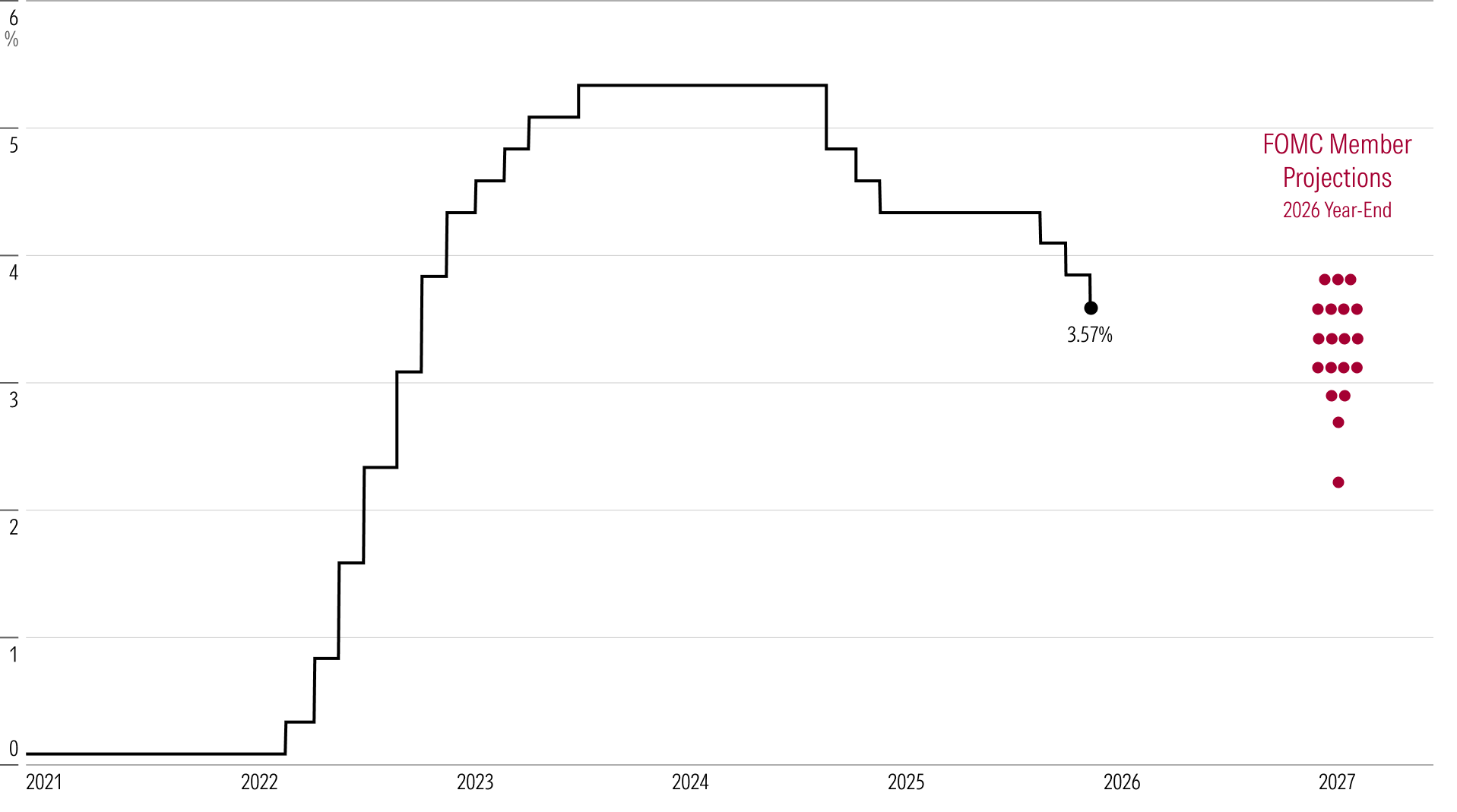
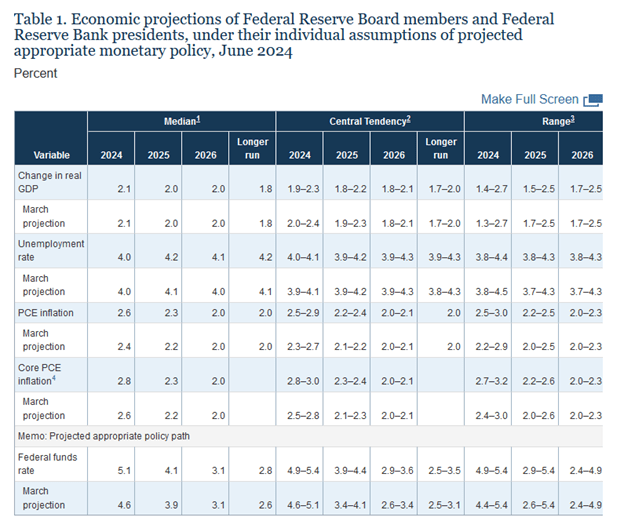
The inflation data remains central to deliberations at the Federal Reserve, which has emphasized the importance of sustained evidence before adjusting policy settings. Officials continue to weigh the risks of easing too early against the costs of maintaining restrictive conditions for too long.
For borrowers and businesses, this approach implies that interest rates may remain elevated for some time. The outcome of this balancing act will shape credit conditions across the US economy.
Labor Market Strength Supports Economic Momentum
Employment growth moderated slightly toward the end of the year but remained positive. Wage increases continued to support household income, offsetting some of the impact of higher prices.
Labor market resilience remains a cornerstone of economic stability, reinforcing consumer confidence and limiting downside risks. Its role in sustaining the US economy remains critical as inflation gradually cools.
Business Investment Adjusts to New Conditions
Corporate investment strategies entering 2026 reflect cautious optimism. Companies are prioritizing efficiency, automation, and supply-chain resilience rather than aggressive expansion. Financing costs remain a consideration, but confidence in underlying demand has not collapsed.
This measured approach highlights a shift from rapid growth toward sustainability, a defining feature of the current phase of the US economy.
Global Developments Influence Domestic Outlook
International factors continue to shape domestic conditions. Energy markets, geopolitical tensions, and trade flows influence prices and confidence. While global pressures eased late in the year, risks remain unevenly distributed.
Analysts caution that external shocks could still test domestic resilience, particularly in commodities and shipping. Even so, internal fundamentals appear stronger than in previous cycles.
Household Pressures Beneath Headline Stability
Despite improving indicators, many households continue to feel the cumulative impact of past inflation. Housing affordability, healthcare costs, and insurance premiums remain persistent concerns.
Advocates emphasize that long-term stability depends on translating macroeconomic progress into tangible household relief, particularly for lower- and middle-income earners.
Policy Debates Intensify in Washington
As inflation stabilizes, attention is shifting toward fiscal priorities, including infrastructure, healthcare, and budget sustainability. Lawmakers face pressure to balance cost-of-living concerns with deficit management.
These debates will shape the policy environment throughout 2026, influencing confidence and long-term planning across both public and private sectors.
Expert View on the Inflation Path
One senior economist noted,
“The December figures confirm that inflation is cooling, but the final stretch toward lasting stability is usually the slowest.”
The comment reflects broad consensus that risks have eased but vigilance remains necessary.
Why 2026 Marks a Turning Point
The transition into 2026 represents a shift from crisis response to consolidation. Clearer signals now guide decisions for households, businesses, and policymakers alike.
Success will depend on maintaining balance—containing inflation while supporting growth, and reinforcing credibility without stifling opportunity.
Medium-Term Growth Prospects
Most forecasts point to moderate expansion over the next year, supported by steady consumption and easing price pressures. Risks remain, but the probability of extreme outcomes has diminished.
This outlook reflects cautious confidence rather than exuberance, aligning expectations with realistic capacity and productivity trends.
Structural Challenges Still Loom
Long-term challenges remain unresolved, including housing supply constraints, demographic shifts, and productivity growth. Addressing these issues will require coordinated policy and private-sector engagement.
Progress on structural reforms will determine whether current stability translates into durable prosperity.
Public Confidence and Economic Credibility
Confidence plays a central role in economic outcomes. Predictable prices, steady employment, and credible policy all reinforce trust among consumers and investors.
Maintaining this credibility will be essential as memories of recent volatility fade but vulnerabilities persist.
A Year Defined by Endurance
Rather than dramatic swings, 2026 is shaping up as a year of endurance for the US economy, defined by incremental progress, sustained discipline, and measured expectations.
These conditions favor long-term planning, strengthen confidence, and reduce the likelihood of sudden economic disruption.
Stability Put to the Test
The December inflation data closes a chapter of uncertainty and opens a period focused on normalization. While challenges remain, the trajectory of the US economy points toward resilience rather than fragility.
As 2026 unfolds, success will depend on preserving balance, policy credibility, and opportunity, with stability measured not by speed of change but by its durability over time.