

Washington, United States, 2026 — Reporting from Brussels Morning Newspaper, the latest transformation in US alcohol policy marks a pivotal moment for American public health governance as federal authorities revise long standing guidance on alcohol consumption. Announced in Washington in 2026, the shift reflects evolving scientific evidence, political philosophy, and cultural attitudes toward drinking, placing the issue firmly at the center of national debate.
Historical Roots of Federal Alcohol Guidance
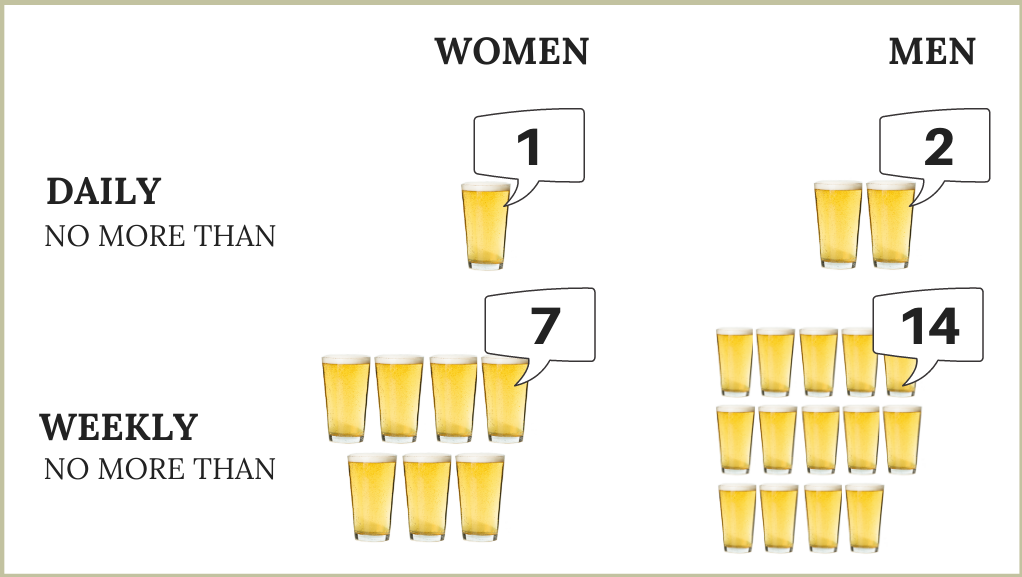
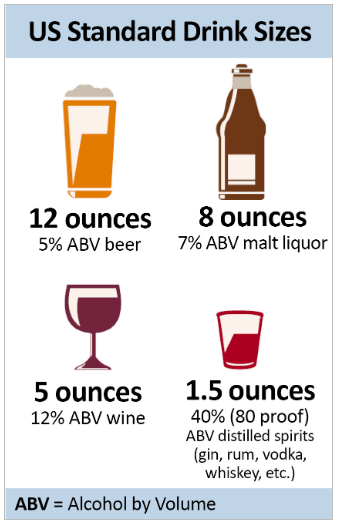
Alcohol guidance in the United States has long been shaped by a desire to balance personal freedom with public safety. Throughout the late twentieth and early twenty first centuries, federal agencies promoted moderation through numerical limits, embedding those figures into dietary guidelines, school curricula, and medical advice. These recommendations were designed to be simple, universal, and easily understood by a diverse population.
Over time, however, critics argued that such clarity came at the cost of nuance. As research expanded and societal attitudes evolved, policymakers began reassessing whether traditional frameworks still served the public effectively. This reassessment laid the groundwork for the current re-calibration of US alcohol policy, driven by both scientific review and political reconsideration.
The Scientific Debate Behind the Shift
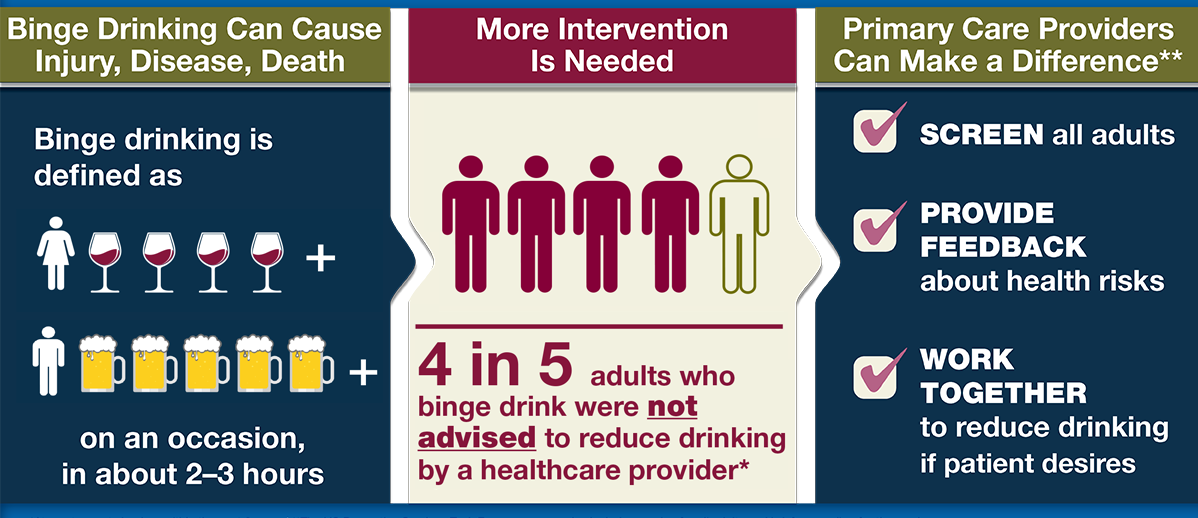
The science of alcohol consumption is complex and often contradictory. While heavy drinking is unequivocally associated with liver disease, addiction, cardiovascular problems, and accidents, findings around low to moderate consumption have been less clear. Some studies suggested potential benefits for heart health, while others linked even small amounts of alcohol to increased cancer risk.
Federal reviewers concluded that the evidence base did not justify a single numerical standard for all adults. Instead, they emphasized variability in genetics, age, health status, and lifestyle. As a result, US alcohol policy now reflects scientific uncertainty more openly, favoring contextual risk awareness over definitive thresholds.
Political Philosophy and Governance Approach
Beyond science, the policy change reflects a broader ideological debate about the role of government in personal health decisions. Supporters argue that federal agencies should inform citizens rather than dictate behavior, especially in areas where evidence continues to evolve.
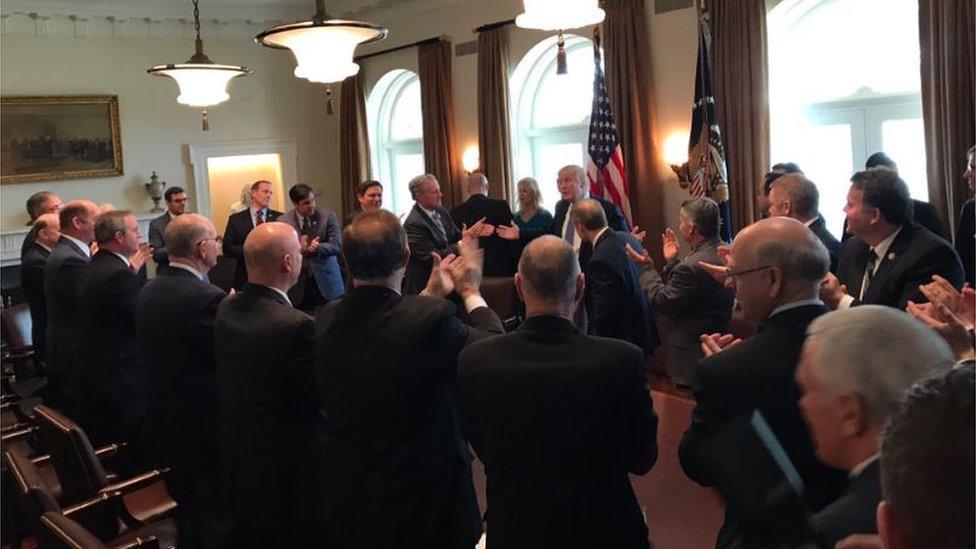
This philosophy aligns with views previously articulated by Donald Trump, whose administration emphasized regulatory restraint and individual responsibility. That governing approach continues to influence how national guidance is framed, shaping the direction of US alcohol policy in the current political climate.
Public Health Community Reactions
Reactions from public health experts have been mixed. Some welcome the shift as a more honest representation of scientific complexity, arguing that transparency builds trust. Others worry that removing numerical limits could weaken prevention efforts and make it harder to communicate risk, particularly to younger audiences.
One senior public health researcher stated,
“Health guidance must balance uncertainty with clarity if it is to protect the most vulnerable.”
Despite disagreements, most experts agree that US alcohol policy still strongly emphasizes well established dangers such as impaired driving, alcohol dependence, and risks during pregnancy.
Implications for Medical Practice
The revised guidance places greater responsibility on healthcare professionals. Without fixed benchmarks, doctors must engage in more individualized conversations with patients, considering personal risk factors such as medical history, mental health, family background, and lifestyle habits.
Advocates believe this approach fosters more meaningful dialogue and personalized care. Critics caution that it may lead to inconsistent messaging across healthcare settings. Regardless, US alcohol policy now relies more heavily on professional judgment and patient education than on standardized numerical advice.
Economic and Industry Perspectives
The alcohol and hospitality industries are closely watching how the policy shift unfolds. Industry representatives emphasize that the change does not promote increased consumption but rather removes what they consider overly simplistic messaging. They argue that clearer, more neutral guidance supports informed consumer choice without moral framing.
Economists note that changes in national guidance can influence consumer behavior, healthcare costs, and employment trends. From tourism to retail, the ripple effects of US alcohol policy extend beyond public health into broader economic considerations.
International Comparisons and Global Context
Alcohol guidance varies widely across the world. Some countries focus on weekly limits, others promote alcohol free days, and many prioritize harm reduction strategies over consumption caps. During the federal review, policymakers examined international models to identify alternative approaches to risk communication.
By stepping away from daily numerical limits, US alcohol policy now aligns more closely with frameworks used in several advanced economies where education and context play a central role. These comparisons continue to inform discussions about best practices in public health communication.
Media Coverage and Public Perception
Media response to the policy change has been extensive and often polarized. Some outlets frame the move as a long overdue modernization, while others portray it as risky ambiguity. Social media discussions reflect similar divisions, highlighting broader tensions around health autonomy and government authority.
Officials stress that US alcohol policy is not intended to downplay risks but to present information more accurately. Effective communication will be critical to ensuring the public understands both the intent and the limits of the revised guidance.
Legislative Outlook and Policy Monitoring
Although dietary guidelines are advisory rather than legally binding, they influence related policy areas such as labeling requirements, funding for prevention programs, and public health priorities. Lawmakers are now debating whether additional measures should accompany the revised approach, including enhanced education initiatives or expanded treatment resources.
Ongoing monitoring and research will play a central role in evaluating outcomes. In this context, US alcohol policy serves as a living framework, expected to adapt as new evidence and societal trends emerge.
Social and Cultural Dimensions of Drinking
Alcohol occupies a complex position in American culture, associated with celebration, social connection, and tradition, yet also linked to addiction, violence, and health harm. Policymakers sought to acknowledge this duality by avoiding moralized language while still emphasizing responsibility.
By re-framing guidance, US alcohol policy aims to resonate with diverse cultural experiences and reduce stigma, encouraging individuals to seek help when drinking becomes problematic.
Long Term Public Health Considerations
The ultimate impact of the revised guidance will unfold over time. Researchers will examine trends in consumption, health outcomes, and public understanding to assess whether the new approach improves risk awareness or introduces unintended consequences.
Supporters argue that empowering individuals with nuanced information leads to better decision making. Critics caution that simplicity has value in public health messaging. The evolution of US alcohol policy will therefore be closely studied in the years ahead.
Beyond Numbers Toward Informed Choice
As the changes take effect, success will not be measured solely by statistics but by how well Americans understand and manage risk in their daily lives. Education, transparency, and ongoing dialogue will shape outcomes more than any single guideline.
In moving beyond fixed limits, US alcohol policy represents a broader shift toward individualized health communication, reflecting the complexities of modern science and society.
A New Chapter in National Health Guidance
The 2026 update marks a defining chapter in how alcohol is addressed at the federal level. Whether it becomes a model for future health guidance or a cautionary tale will depend on implementation, communication, and public response.
As Washington continues to navigate the balance between freedom and protection, the story of US alcohol policy remains a central test of evidence based governance in a changing world.