
Brussels Morning reporting has drawn international attention to the Middle East after the UN chief condemns law passed by Israel that restricts access to essential utilities used by the United Nations Relief and Works Agency. The statement from the United Nations has amplified concerns among diplomats, humanitarian organizations, and international legal observers who warn that the legislation could significantly disrupt life saving services for millions of Palestinian refugees.
The law has emerged at a time when humanitarian systems in Gaza and parts of the West Bank are already under severe strain. Aid agencies say even minor interruptions to infrastructure can have disproportionate effects on densely populated communities. As the UN chief condemns law, the issue has quickly moved beyond domestic legislation into a global debate about humanitarian access, international law, and civilian protection during conflict.
What the Law Changes on the Ground
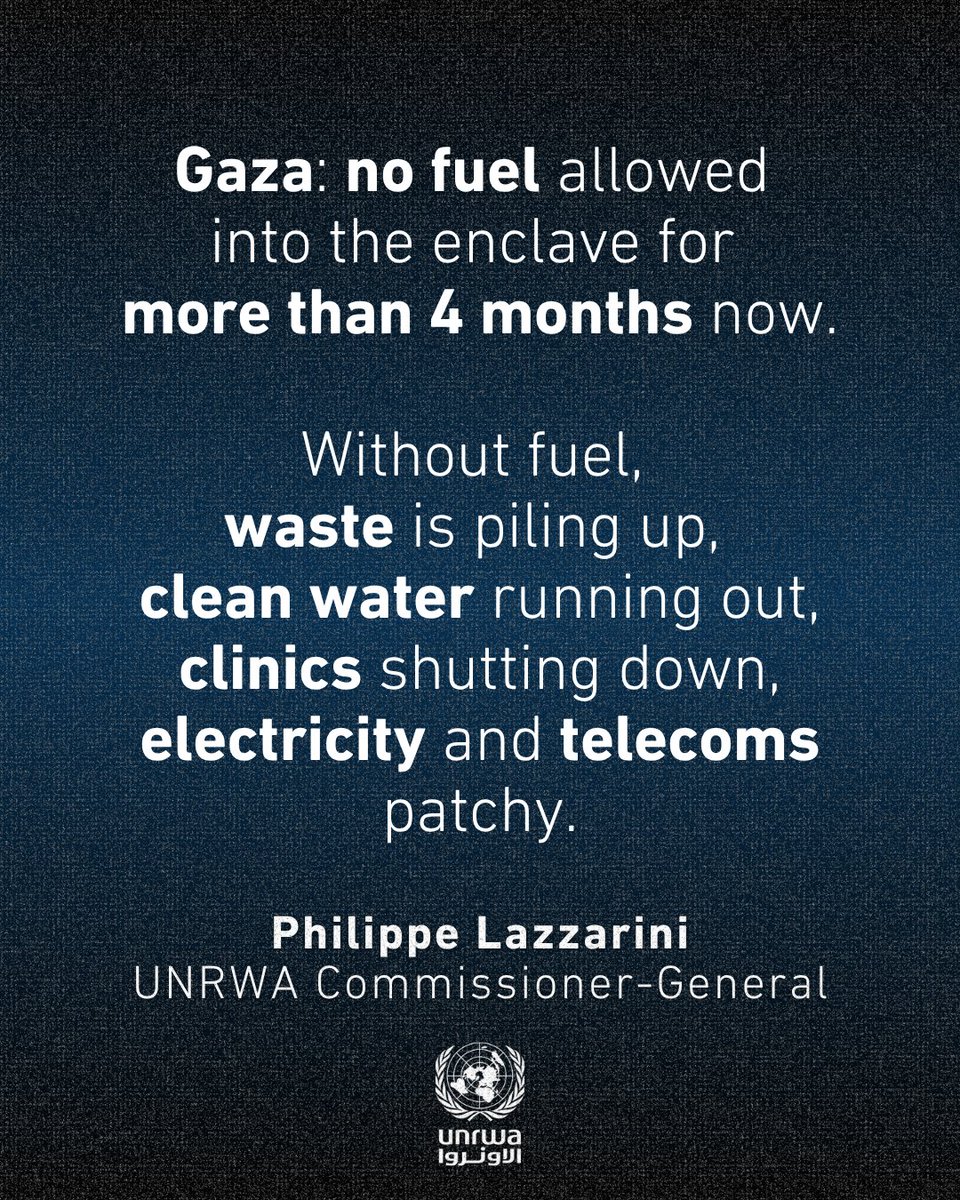
The legislation reportedly limits or blocks access to water, electricity, fuel, and sanitation services that support UNRWA operations. These utilities are essential for hospitals, clinics, schools, food warehouses, and refugee shelters. UN officials explain that utilities are not secondary services but the operational backbone of humanitarian aid.
According to humanitarian briefings, restrictions could force facilities to reduce hours or suspend services entirely. Refrigeration for medicines, vaccine storage, clean water systems, and emergency power supplies are all dependent on reliable infrastructure. When the UN chief condemns law, it reflects concern that these changes could translate into immediate service disruptions with long term consequences for public health and education.
United Nations Response at the Highest Level
In a formal statement, António Guterres said the law undermines humanitarian neutrality and places civilians at risk. As the UN chief condemns law, he emphasized that humanitarian agencies must be allowed to operate independently and without obstruction, particularly in areas where civilian populations rely almost entirely on aid services.
The UN leadership stressed that restrictions on utilities do not address security threats but instead affect ordinary people who depend on clinics, schools, and food assistance. The Secretary General called on Israeli authorities to reconsider the legislation and urged international partners to reinforce protections for humanitarian operations.
Why Utilities Are Central to UNRWA Operations
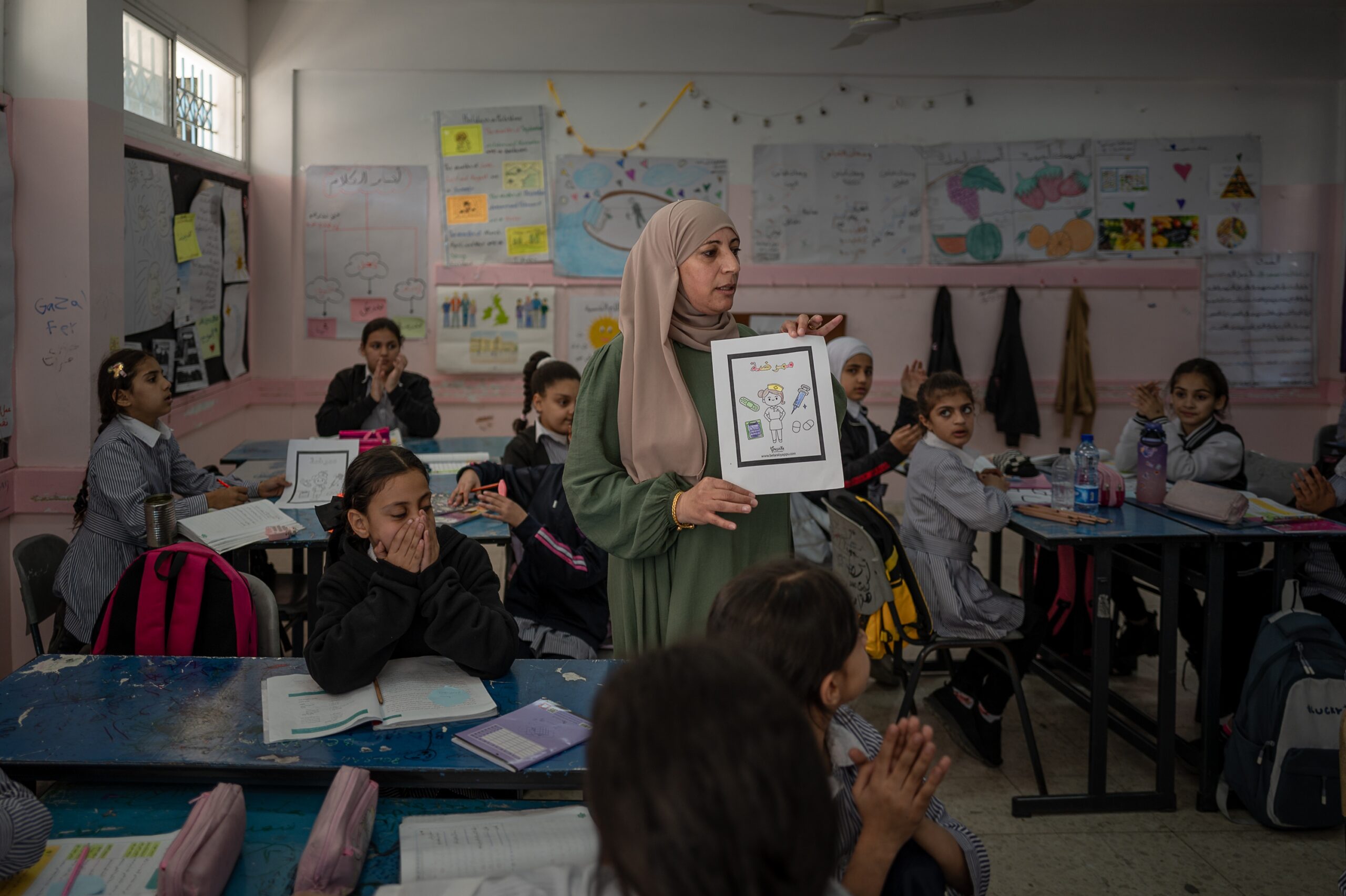
UNRWA provides education, healthcare, food aid, and social services to Palestinian refugees across multiple territories. Each of these services depends on uninterrupted access to utilities. Electricity powers medical equipment and classrooms, water ensures sanitation and disease prevention, and fuel supports transportation and supply chains.
Humanitarian experts note that utilities are inseparable from aid delivery. Without electricity, hospitals cannot operate safely. Without water, sanitation systems collapse. Without fuel, food distribution becomes unreliable. When the UN chief condemns law, it highlights how deeply utilities are embedded in every aspect of humanitarian work.
Healthcare Services Face Heightened Risk
Healthcare facilities are among the most vulnerable to utility restrictions. Hospitals and clinics rely on stable electricity for operating rooms, diagnostic machines, dialysis equipment, and intensive care units. Refrigeration is critical for blood supplies, insulin, and vaccines.
Medical staff working with UNRWA warn that power disruptions can delay surgeries, interrupt life sustaining treatments, and compromise patient safety. Water shortages further increase the risk of infection, particularly in overcrowded environments. The UN chief condemns law partly because it adds strain to health systems already operating beyond capacity.
Education Disruptions and Long Term Impact
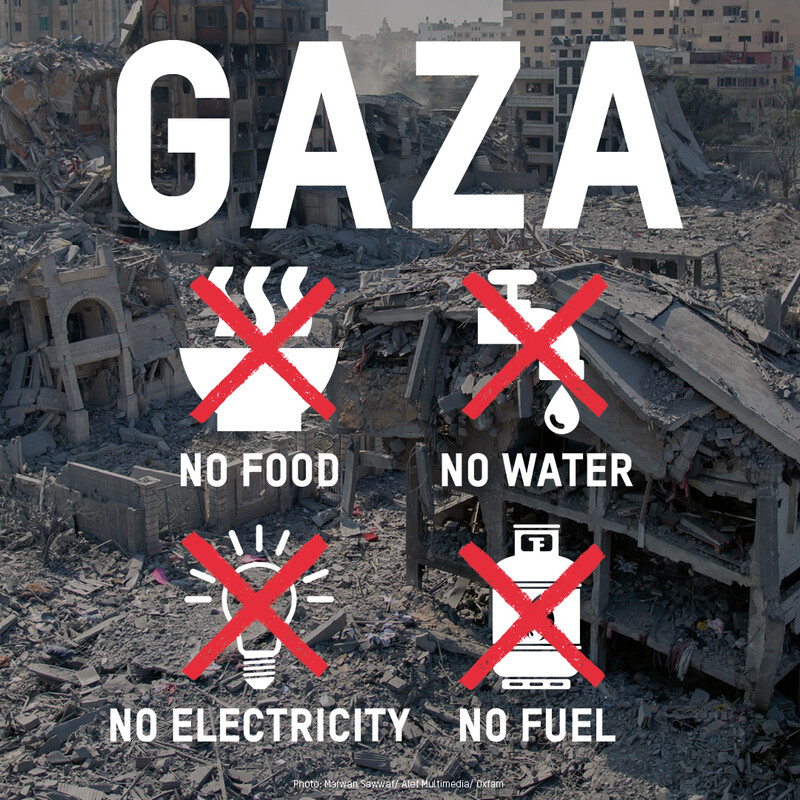
UNRWA operates one of the largest education networks in the region, serving hundreds of thousands of children. Schools require electricity, clean water, and sanitation to function safely. Teachers say that prolonged disruptions could force temporary closures or limit instructional hours.
Education specialists caution that interruptions to schooling in crisis environments often have lasting effects. Learning loss, increased dropout rates, and reduced access to psychosocial support are common outcomes. As the UN chief condemns law, education advocates warn that children are among the most affected by utility restrictions.
Daily Life in Refugee Communities
For refugee families, utilities are essential to everyday survival. Water shortages affect hygiene and food preparation. Electricity cuts disrupt communication, lighting, and medical devices used in homes. Fuel shortages limit cooking and heating.
Residents describe constant uncertainty about access to clinics, schools, and food distribution points. The UN chief condemns law because these disruptions compound existing vulnerabilities in refugee camps where residents already face overcrowding, unemployment, and limited mobility.
Economic and Social Consequences
Restrictions on utilities extend beyond immediate humanitarian services. Employment linked to aid delivery, facility maintenance, and logistics declines when operations are scaled back. Local markets that depend on humanitarian spending experience reduced activity.
Aid organizations warn that prolonged infrastructure disruption deepens poverty and weakens community resilience. As the UN chief condemns law, analysts note that economic instability can fuel social tension and undermine long term recovery efforts.
International Reaction and Diplomatic Engagement
Following the UN statement, several governments and international organizations expressed concern about the potential impact of the law. Diplomatic responses emphasized the importance of maintaining humanitarian access and protecting civilian infrastructure.
Human rights groups raised legal questions, warning that restricting utilities may conflict with international humanitarian law. As the UN chief condemns law, diplomatic pressure continues to build, though concrete policy changes remain uncertain.
Israel’s Position and Security Rationale
Israeli officials defend the law as necessary for security oversight and infrastructure regulation. Some lawmakers have questioned UNRWA’s neutrality and governance, arguing that stricter controls are required.
The United Nations disputes these claims, stating that oversight mechanisms are already in place and that restricting utilities disproportionately affects civilians. The UN chief condemns law on the grounds that humanitarian operations should not be compromised by political or security disputes.
Legal Perspectives on Utility Restrictions
International law experts note that access to water, electricity, healthcare, and education is protected under humanitarian law. Restricting such access raises complex legal and ethical questions, particularly in occupied or conflict affected territories.
Legal scholars warn that limiting utilities could expose authorities to international scrutiny and potential legal challenges. As the UN chief condemns law, debates continue over how domestic legislation intersects with international obligations.
Regional Stability Considerations
Analysts caution that humanitarian deterioration can fuel unrest and instability beyond immediate conflict zones. When essential services are disrupted, frustration and desperation increase, potentially leading to wider security challenges.
UN officials argue that maintaining humanitarian operations is a stabilizing factor. The UN chief condemns law partly because uninterrupted aid delivery is seen as essential to preventing broader regional consequences.
Broader Implications for Humanitarian Access
The reaction following the UN chief condemns law reflects a wider concern about shrinking humanitarian space worldwide. Aid agencies increasingly face restrictions, funding challenges, and political pressure in conflict zones.
Humanitarian experts warn that precedents allowing utility restrictions could affect aid operations globally. The United Nations continues to advocate for the protection of humanitarian infrastructure and neutral access to civilian populations.
Outlook and Ongoing Developments
UN officials say discussions with Israeli authorities and international partners are ongoing. Humanitarian agencies are assessing contingency plans to maintain services if restrictions remain in place.
As the UN chief condemns law, the situation continues to evolve, with diplomatic engagement, legal analysis, and humanitarian planning unfolding in parallel. Observers say the outcome will shape not only immediate aid delivery but also future norms governing humanitarian access in conflict settings.