
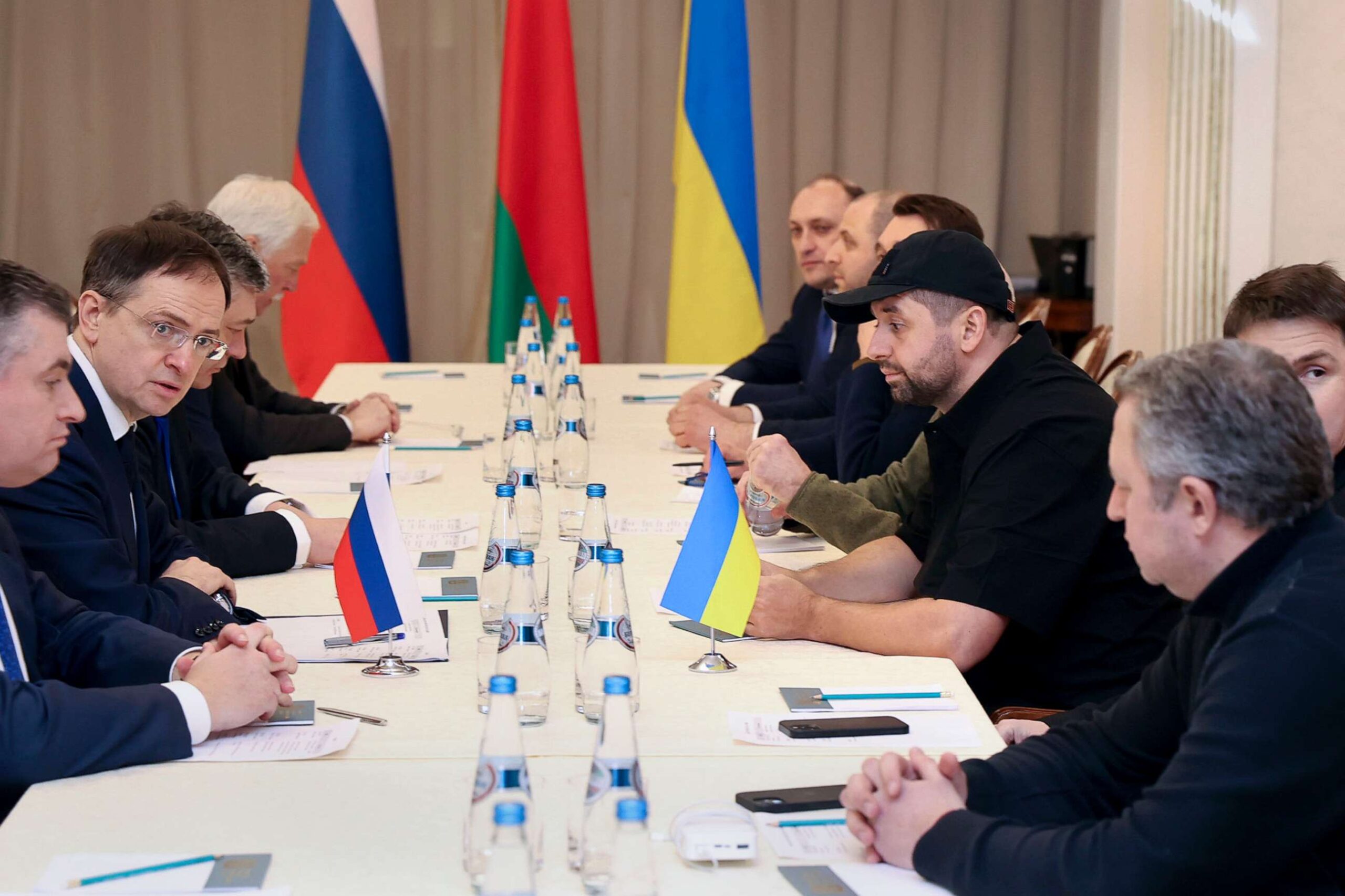
Global attention has once again shifted toward Eastern Europe as Ukraine peace talks appear to be approaching a critical moment. Ukrainian President Volodymyr Zelenskyy has confirmed that peace proposals aimed at ending the war could be presented to Russia within days. After years of conflict marked by military escalation, economic disruption, and widespread humanitarian suffering, the renewed focus on diplomacy is being closely watched by governments, markets, and citizens around the world.
Ukraine peace talks are not simply another round of negotiations. They represent a potential turning point in a war that has reshaped European security, strained international alliances, and disrupted global supply chains. While skepticism remains high, the seriousness of recent statements suggests that diplomacy is once again being treated as a viable path forward rather than a symbolic gesture.
Zelenskyy Signals a Shift Toward Action
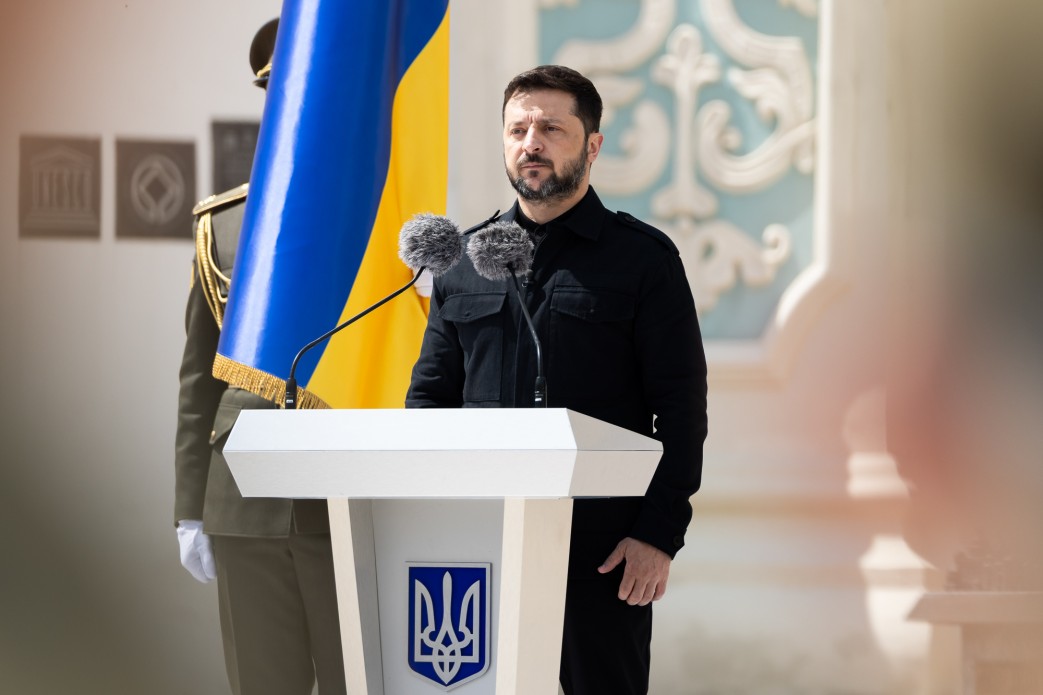
President Zelenskyy’s recent comments indicate that Ukraine peace talks are moving beyond internal discussions and into a phase where formal proposals are being finalized. According to Ukrainian officials, these proposals are structured, detailed, and designed to test Russia’s willingness to engage in meaningful negotiations rather than delay tactics.
Zelenskyy has consistently emphasized that Ukraine peace talks must protect national sovereignty and territorial integrity. While Ukraine remains firm in its defense posture, leadership has acknowledged that a sustainable end to the war will ultimately require diplomacy supported by credible enforcement and international guarantees.
Why Ukraine Peace Talks Are Gaining Momentum
Several converging factors are driving renewed urgency around Ukraine peace talks. Prolonged military operations have placed enormous strain on both Ukraine and Russia. Infrastructure damage, economic contraction, and civilian displacement continue to worsen, increasing pressure to explore diplomatic solutions.
International partners are also encouraging renewed dialogue. Rising energy costs, food insecurity, and geopolitical uncertainty have made the conflict a global concern. As a result, Ukraine peace talks are increasingly viewed as essential not only for regional stability but for broader international economic and security interests.
Core Issues Likely to Define Negotiations
Although specific details have not been publicly disclosed, analysts expect Ukraine peace talks to focus on several central issues that have defined the conflict from the beginning.
Territorial integrity remains the most sensitive topic. Ukraine has made clear that any agreement must respect internationally recognized borders. Security guarantees are also expected to be a major component, with Ukraine seeking assurances that future aggression will be prevented.
Additional areas likely to be addressed include ceasefire monitoring, humanitarian access, prisoner exchanges, and postwar reconstruction funding. Each of these issues adds complexity, underscoring how challenging Ukraine peace talks will be.
Russia’s Position and Strategic Calculations
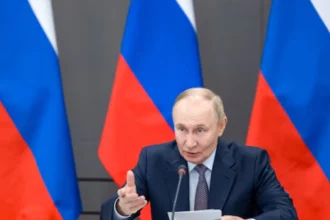
Russia’s response to renewed diplomatic efforts remains uncertain. In previous negotiations, Moscow demanded concessions that Ukraine and its allies rejected. However, sustained sanctions, diplomatic isolation, and ongoing military costs may be influencing Russia’s strategic outlook.
Ukraine peace talks present Moscow with an opportunity to reassess its long term objectives. Whether Russia views these talks as a genuine chance for resolution or as a strategic pause will become clearer once proposals are formally delivered.
The Role of International Allies
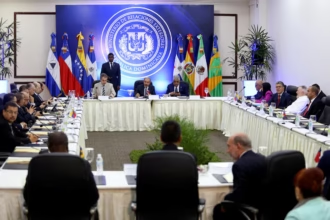
International allies continue to play a critical role in shaping Ukraine peace talks. European leaders and the United States have reaffirmed support for Ukraine while encouraging diplomatic engagement. Behind the scenes, coordination among allies has focused on ensuring that any agreement includes enforceable terms and long term commitments.
This coordinated approach aims to avoid past failures where agreements collapsed due to weak enforcement. International involvement is seen as essential to the credibility and durability of any outcome emerging from Ukraine peace talks.
Domestic Pressures Inside Ukraine
Within Ukraine, public opinion reflects both determination and fatigue. Civilians have endured years of air raids, displacement, and economic hardship. These realities are increasing pressure on leadership to pursue Ukraine peace talks while maintaining firm national principles.
Surveys and public discourse suggest strong support for peace efforts, provided they do not compromise sovereignty. Zelenskyy must navigate these expectations carefully, balancing diplomacy with the sacrifices already made by Ukrainian citizens.
Economic Implications of Ukraine Peace Talks
Progress in Ukraine peace talks could have immediate economic consequences. Energy markets, agricultural exports, and investor confidence are all highly sensitive to developments in the conflict.
Ukraine plays a critical role in global grain supplies. Disruptions caused by the war have contributed to food shortages and inflation in multiple regions. A credible diplomatic pathway could stabilize supply chains and ease global economic pressures.
Why Timing Matters Now
The timing of renewed Ukraine peace talks is especially significant. Seasonal challenges, evolving battlefield conditions, and shifting political priorities in allied nations all contribute to the urgency.
Delaying negotiations risks entrenching positions and prolonging humanitarian suffering. Presenting proposals now may represent one of the most viable windows for progress before conditions become less favorable for dialogue.
Risks if Negotiations Fail
Despite cautious optimism, history shows that failed negotiations can deepen conflict. If Ukraine peace talks collapse, hostilities could intensify and trust in future diplomatic efforts could erode.
Both Ukraine and Russia face internal political risks if talks are perceived as weakness. Managing expectations and maintaining transparency will be critical to sustaining momentum and preventing escalation.
Beyond a Ceasefire
Ending active fighting would mark only the beginning of a longer process. Successful Ukraine peace talks must be followed by reconstruction, reconciliation, and long term security planning.
Rebuilding Ukraine will require international investment, oversight, and cooperation. A durable settlement could redefine European security and influence how future conflicts are resolved through diplomacy.
Humanitarian Considerations
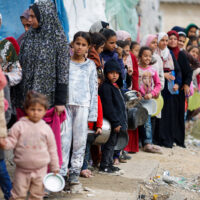
Humanitarian concerns remain central to Ukraine peace talks. Millions of civilians have been displaced, and access to medical care, housing, and basic services remains limited in many areas.
Negotiations are expected to address humanitarian corridors, civilian protections, and the return of displaced families. These issues highlight the human cost that continues to drive diplomatic urgency.
Global Security Implications
The outcome of Ukraine peace talks will have far reaching implications for global security. Alliances, defense policies, and international norms surrounding sovereignty and conflict resolution are all being tested.
A successful diplomatic resolution could reinforce the role of negotiation in resolving modern conflicts. Failure could signal a more unstable and fragmented global order.
The Road Ahead
The coming days will determine whether Ukraine peace talks move from proposal to negotiation. Diplomatic breakthroughs are rare and often fragile, requiring sustained effort, compromise, and international support.
While uncertainty remains, the renewed emphasis on diplomacy signals recognition that lasting peace cannot be achieved through military means alone.
Ukraine peace talks are approaching a pivotal moment as President Zelenskyy prepares to present proposals aimed at ending the war. While challenges remain significant, the shift toward structured diplomacy reflects a growing understanding that negotiation is essential for long term stability.
For Ukraine, Russia, and the international community, the outcome of Ukraine peace talks may shape regional security, global economic conditions, and the future of international diplomacy for years to come.