
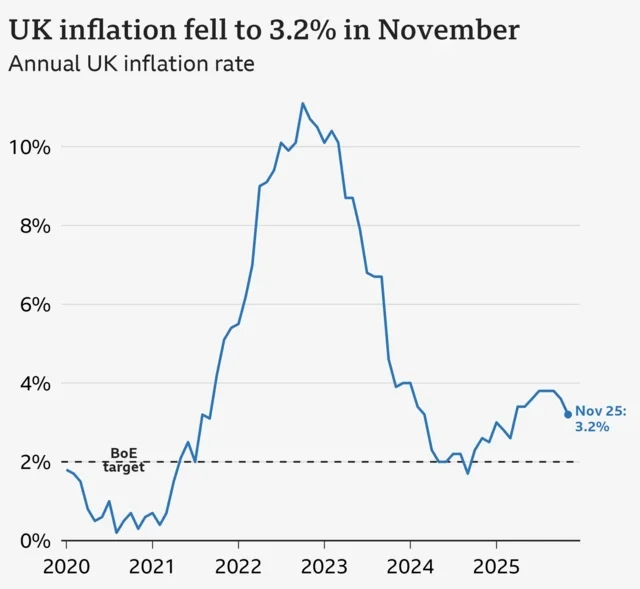
London, United Kingdom, January, 2026 — Brussels Morning Newspaper, Britain’s latest economic data has refocused national attention on price stability as households, businesses, and policymakers assess the path ahead. The UK inflation rate continues to sit above levels considered comfortable for long-term stability, yet a growing consensus among economists suggests that the most difficult phase of the inflation cycle has passed. While living costs remain high, the broader trajectory points toward gradual easing as earlier shocks fade and policy restraint takes hold.
A Turning Point in the Inflation Story
Over the past several years, inflation has dominated economic debate in Britain. What began as a surge driven by global energy disruptions and supply chain breakdowns evolved into a complex mix of domestic and international pressures. Today, analysts increasingly describe the situation as one of transition rather than crisis.
When assessing the UK inflation rate, economists emphasize momentum over magnitude. Even small changes in direction can signal meaningful shifts in underlying conditions, particularly after a prolonged period of elevated prices.
Forces Still Shaping Prices
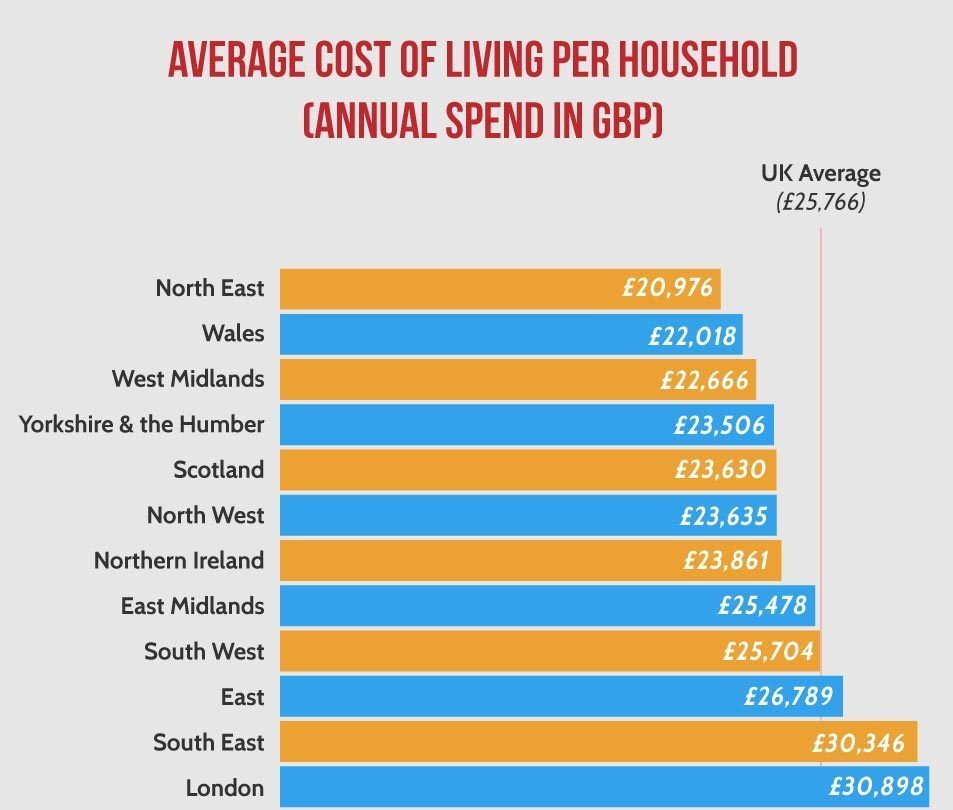
Several factors continue to influence price behavior across the economy. Services costs remain firm, reflecting earlier wage growth and strong domestic demand. Food prices, though no longer accelerating at the pace seen during the height of global disruption, still weigh heavily on household budgets.
Despite these pressures, many analysts argue that the UK inflation rate is now supported more by residual effects than by fresh shocks, increasing confidence that further moderation lies ahead.
Energy Costs Fade as a Dominant Driver
Energy prices once sat at the heart of Britain’s inflation challenge. Sharp increases in wholesale gas and electricity costs filtered quickly into household bills and business expenses. That dynamic has changed markedly.
As energy markets stabilized, their contribution to the UK inflation rate diminished, removing one of the most volatile components from the overall picture and helping anchor expectations for the months ahead.
Food Prices and Consumer Perception
While headline measures offer a broad overview, consumer experience is often shaped by everyday purchases. Grocery prices remain a sensitive issue, with many shoppers reporting continued strain.
This disconnect explains why public concern persists even as economists point to improvement. For households, the reality of the UK inflation rate is felt most directly through routine spending rather than abstract indicators.
Policy Signals From the Bank of England
The central bank has remained cautious, emphasizing that inflation control requires sustained progress rather than isolated improvements. Officials acknowledge the uneven nature of disinflation and stress that restrictive policy must remain in place until confidence in stability is secured.
From a monetary perspective, movements in the UK inflation rate validate a measured approach that prioritizes long-term credibility over short-term relief.
Interest Rates and Financial Conditions
Higher interest rates have reshaped borrowing behavior across the economy. Mortgage activity has slowed, consumer credit growth has moderated, and business investment decisions are being made with greater caution.
These tighter conditions are expected to exert continued downward pressure on prices, reinforcing the view that the UK inflation rate will gradually ease as demand adjusts to higher financing costs.
Wages and the Labour Market Balance
Britain’s labour market has remained resilient, supporting income growth even as inflation surged. Recently, however, signs have emerged that wage increases are moderating as vacancies decline and participation improves.
If this trend continues, it could play a decisive role in lowering the UK inflation rate, particularly in services sectors where labour costs are a major input.
Confidence, Spending, and Behavioural Shifts
Consumer confidence surveys suggest cautious optimism. While households remain mindful of high prices, expectations about future increases are becoming more stable.
Such shifts matter because expectations influence behavior. As confidence improves, the psychological grip of the UK inflation rate on spending decisions may gradually loosen.
One Economist’s Assessment
One senior UK economist observed,
“The challenge now is persistence rather than panic, and the underlying direction is finally moving the right way.”
Housing and Rental Market Pressures
Housing costs continue to present a stubborn challenge. Limited supply and strong demand have kept rents rising in many regions, feeding into broader cost measures.
These dynamics mean that the UK inflation rate remains sensitive to developments in the housing sector, even as other components show signs of cooling.
Britain in an International Context
Globally, advanced economies are experiencing uneven disinflation. Some have seen faster improvements, while others face lingering pressures tied to domestic conditions.
Within this landscape, the path of the UK inflation rate reflects Britain’s unique mix of energy exposure, housing constraints, and labour market structure rather than a departure from global trends.
Market Response and Currency Stability
Financial markets have reacted calmly to recent inflation data. Sterling movements have been modest, suggesting investors are focused on medium-term fundamentals rather than short-term volatility.
This measured response indicates confidence that the UK inflation rate is unlikely to reaccelerate sharply under current conditions.
Fiscal Policy and Public Debate
Inflation remains a central issue in political discourse. Decisions on taxation, public spending, and targeted support are all shaped by concerns about cost pressures and purchasing power.
The persistence of the UK inflation rate ensures that economic management will remain under close public scrutiny throughout the year.
Risks That Could Disrupt Progress
Despite improving signals, risks remain. Renewed energy shocks, unexpected supply disruptions, or persistent wage pressures could slow disinflation. Conversely, weaker global growth could accelerate easing.
Balancing these possibilities, analysts stress that vigilance is essential as the UK inflation rate moves through this transitional phase.
Implications for Households and Businesses
For households, the easing of price pressures offers cautious hope rather than immediate relief. Many budgets remain stretched, even if the pace of increases slows.
Businesses, meanwhile, are adjusting pricing strategies as consumer resistance to further increases grows. These adaptations reinforce expectations that the UK inflation rate will continue to moderate.
Lessons From the Inflation Cycle
The recent period of high inflation has highlighted vulnerabilities in supply chains, energy dependence, and housing availability. Addressing these structural issues may reduce the risk of future spikes.
Over time, such reforms could help stabilize the UK inflation rate and create a more resilient economic environment.
Communication and Trust
Clear communication from policymakers plays a vital role in anchoring expectations. When households and firms trust that inflation will ease, their behavior helps make that outcome more likely.
As confidence improves, perceptions surrounding the UK inflation rate may shift from anxiety to cautious acceptance.
The Road Ahead in 2026
Looking forward, most forecasts anticipate gradual improvement rather than dramatic change. Inflation is expected to edge closer to target, though the journey will remain uneven.
As the year progresses, developments in wages, housing, and global markets will shape the pace at which the UK inflation rate continues its descent.
Signs of Stabilisation Emerge
Britain’s inflation narrative is evolving from crisis management to careful normalization. While challenges persist, the forces that once drove prices sharply higher have weakened.
With policy restraint, easing energy pressures, and changing behaviour, the UK inflation rate appears set on a downward path, offering the prospect of greater stability for households and businesses as 2026 unfolds.