Brussel Morning diplomatic observers say the United Arab Emirates has sent a clear signal of continuity and reassurance by publicly reaffirming its commitment to Saudi security amid rising Yemen tensions. The statement comes at a time when regional uncertainty is increasing and Gulf partners are emphasizing coordination stability and deterrence. By highlighting Saudi security as a shared priority UAE officials aim to reinforce confidence both domestically and across international partners watching developments in the region.
The renewed emphasis reflects the interconnected nature of Gulf stability. Saudi Arabia remains central to regional balance and any escalation linked to Yemen is viewed through the lens of broader security implications. UAE leaders argue that protecting Saudi security is inseparable from protecting regional trade energy routes and political order.
Regional Context Behind the Statement
Yemen tensions have once again moved to the forefront of Middle Eastern diplomacy. Maritime incidents cross border threats and political uncertainty have raised concerns among Gulf states. In this environment the UAE’s declaration underscores that Saudi security remains a cornerstone of collective defense thinking.
Officials familiar with regional policy note that Saudi Arabia’s geographic position makes it particularly sensitive to instability emanating from Yemen. Border areas shipping lanes and critical infrastructure all factor into security planning. By reaffirming support the UAE signals that Saudi security will not be treated as a bilateral issue alone but as a shared responsibility.
This approach aligns with long standing Gulf cooperation principles where threats to one member are viewed as threats to all.
UAE Saudi Relations and Strategic Alignment
The relationship between the UAE and Saudi Arabia has evolved through years of cooperation and occasional recalibration. Despite tactical differences both states consistently emphasize alignment on core interests. Saudi security sits at the top of that list.
From joint military exercises to intelligence coordination the two countries have invested heavily in interoperability. Analysts say the latest statement is less about introducing new policy and more about reinforcing existing commitments during a sensitive period.
Public reassurance also serves a diplomatic purpose. It signals unity to allies while discouraging actors who may test regional resolve.
Why Yemen Tensions Matter to Saudi Security
Yemen’s prolonged conflict has had spillover effects that directly touch Saudi security. Missile and drone threats along the southern border as well as risks to Red Sea shipping lanes have shaped Riyadh’s threat assessments for years.
While recent diplomatic efforts have reduced some pressures uncertainty remains. Any shift in the conflict environment can rapidly alter security calculations. This is why Gulf partners monitor developments closely and coordinate messaging.
The UAE’s emphasis on Saudi security reflects an understanding that preventive diplomacy and visible unity can reduce the likelihood of escalation.
Maritime Routes and Energy Stability
One often overlooked aspect of Saudi security is its connection to global energy markets. Saudi Arabia’s role as a major energy producer means that disruptions have worldwide consequences. Yemen tensions that threaten maritime routes or infrastructure elevate concerns far beyond the region.
By reaffirming its commitment the UAE positions itself as a stabilizing actor supporting predictable energy flows. This messaging resonates with international partners who depend on Gulf stability for economic planning.
Security in this sense extends beyond borders to include trade routes ports and undersea infrastructure critical to the global economy.
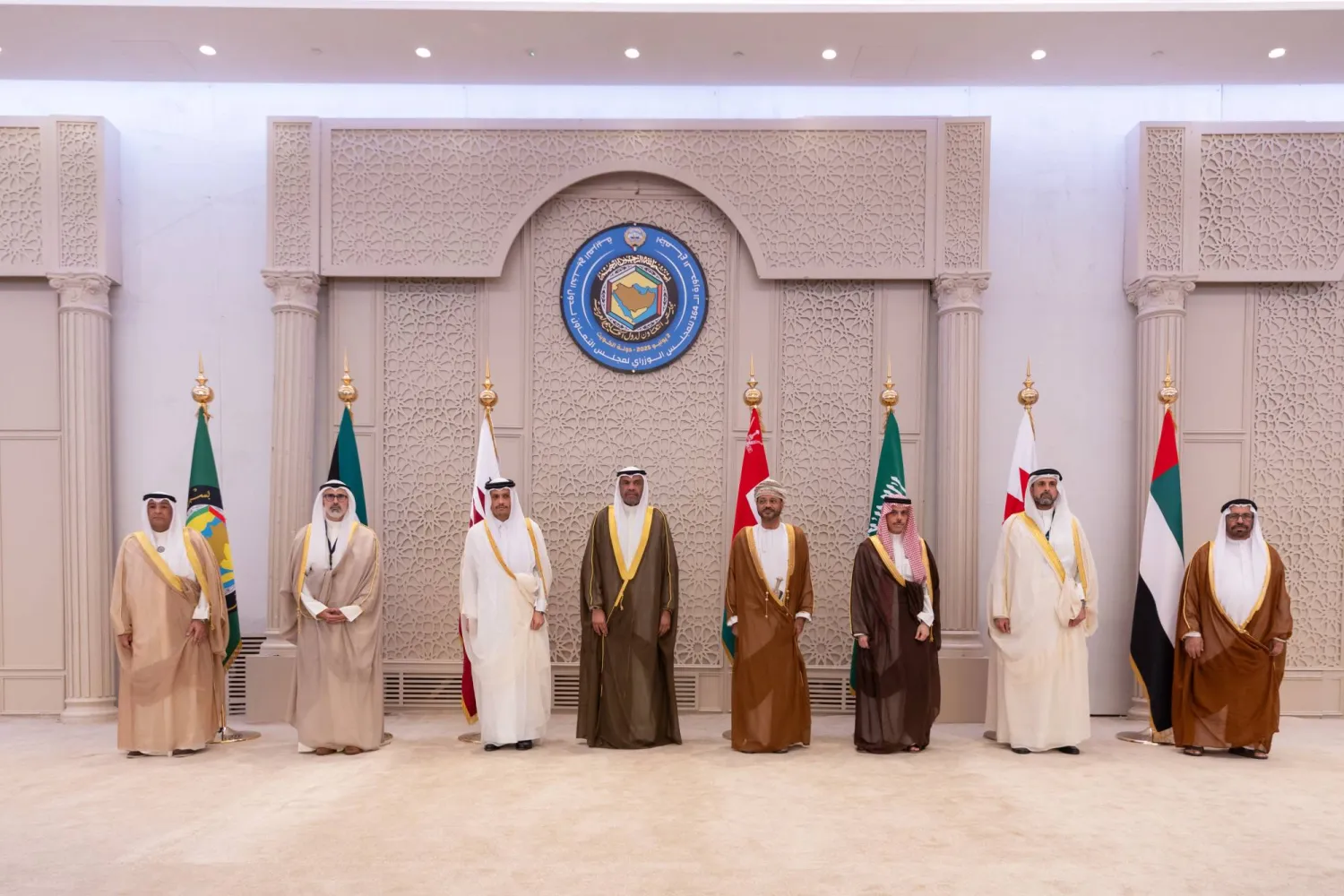
Diplomatic Signaling to Regional Actors
Statements about Saudi security are also aimed at regional audiences. Clear public commitments reduce ambiguity and help manage expectations. Analysts say ambiguity can invite miscalculation while clarity can deter it.
The UAE’s language emphasizes defense and stability rather than confrontation. This framing seeks to lower tensions while maintaining firm red lines. Saudi security is presented not as an aggressive posture but as a defensive necessity.
Such signaling is especially important during periods of heightened rhetoric when misinterpretation can escalate quickly.
International Reactions and Broader Implications
International partners have taken note of the UAE’s position. For many Western and Asian governments Gulf stability remains a strategic interest. Reassurance about Saudi security helps maintain confidence in regional partnerships.
Diplomats say that consistent messaging from Gulf states reduces uncertainty in international policy circles. It allows allies to plan engagement without fear of sudden shifts in alignment.
The UAE’s statement fits into a broader pattern of emphasizing multilateral cooperation rather than unilateral action.
Defense Cooperation and Preparedness
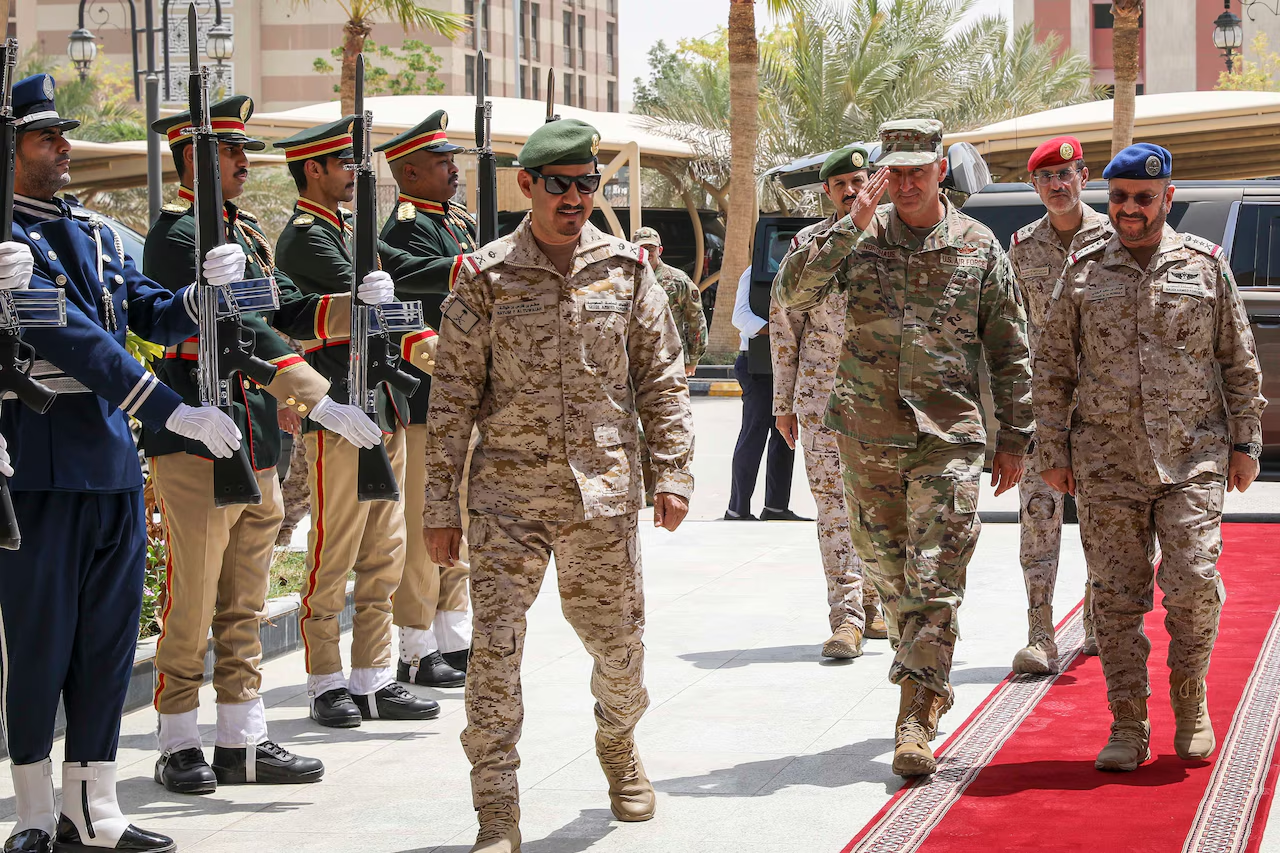
Beyond words Saudi security is supported by tangible cooperation. Joint exercises shared intelligence and coordinated air and missile defense initiatives illustrate practical commitment. These measures are designed to respond quickly to emerging threats.
Defense officials stress that preparedness is key. Visible cooperation reassures populations while discouraging adversaries. The UAE’s reaffirmation highlights that these mechanisms remain active and prioritized.
Preparedness also includes cybersecurity and information sharing recognizing that modern security challenges extend into digital domains.
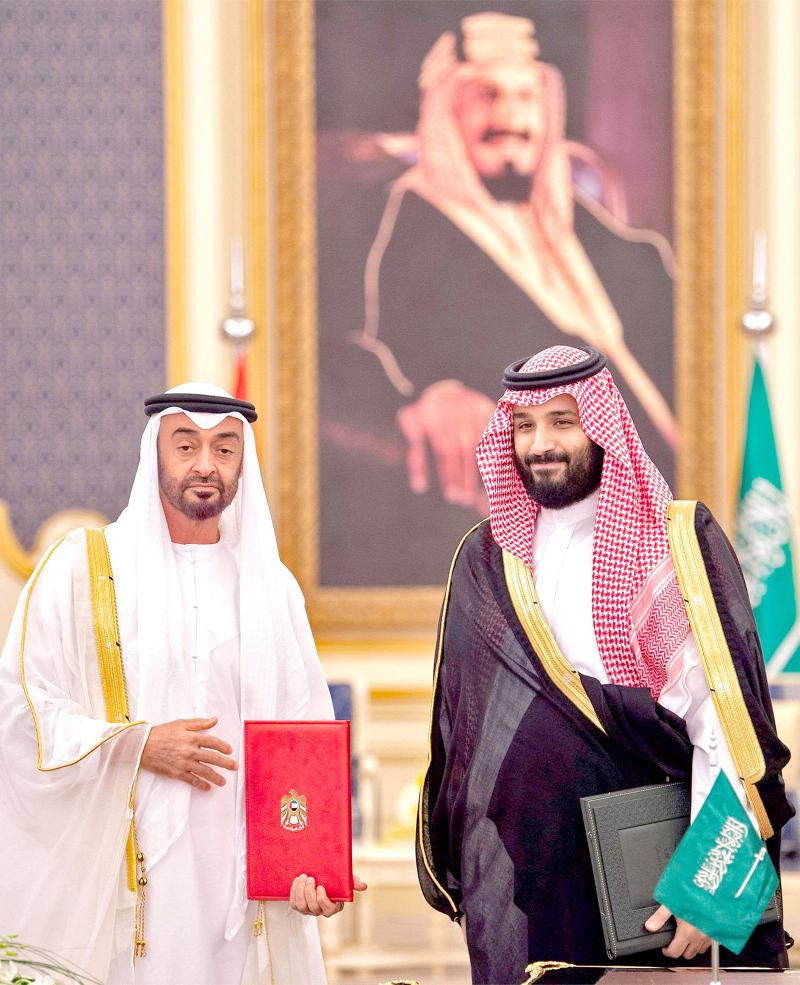
Public Messaging and Domestic Audiences
Public statements serve domestic audiences as well. In Saudi Arabia reassurance from partners supports public confidence during uncertain times. In the UAE it reinforces the government’s image as a reliable regional actor committed to stability.
By emphasizing Saudi security leaders aim to demonstrate foresight and responsibility. Citizens in both countries are reminded that regional challenges are being addressed through coordination rather than isolation.
This domestic dimension is often as important as international signaling in sustaining long term policy.
Balancing Diplomacy and Deterrence
A key challenge for Gulf states is balancing diplomacy with deterrence. The UAE’s statement walks this line by affirming Saudi security while avoiding inflammatory language. This balance helps keep diplomatic channels open even as defense readiness is maintained.
Experts say such calibrated messaging reflects lessons learned from past escalations. Overly aggressive rhetoric can harden positions while silence can invite pressure. Clear calm communication offers a middle path.
Saudi security in this context becomes a stabilizing anchor rather than a flashpoint.
Looking Ahead as Tensions Persist
While the statement provides reassurance it does not resolve underlying Yemen tensions. Diplomatic efforts continue and outcomes remain uncertain. Gulf partners are therefore preparing for multiple scenarios.
The UAE’s commitment suggests that regardless of developments Saudi security will remain supported. This consistency reduces the likelihood of sudden shifts that could destabilize the region.
As negotiations evolve such assurances help maintain a baseline of predictability in an otherwise fluid environment.
The UAE’s declaration of commitment comes at a critical moment. Amid renewed Yemen tensions reaffirming Saudi security sends a message of unity deterrence and responsibility. It underscores that Gulf stability is built on cooperation and shared interests.
For regional and international observers the statement offers reassurance that key partners remain aligned. While challenges persist the emphasis on Saudi security reflects a broader strategy of maintaining balance preventing escalation and supporting long term stability.