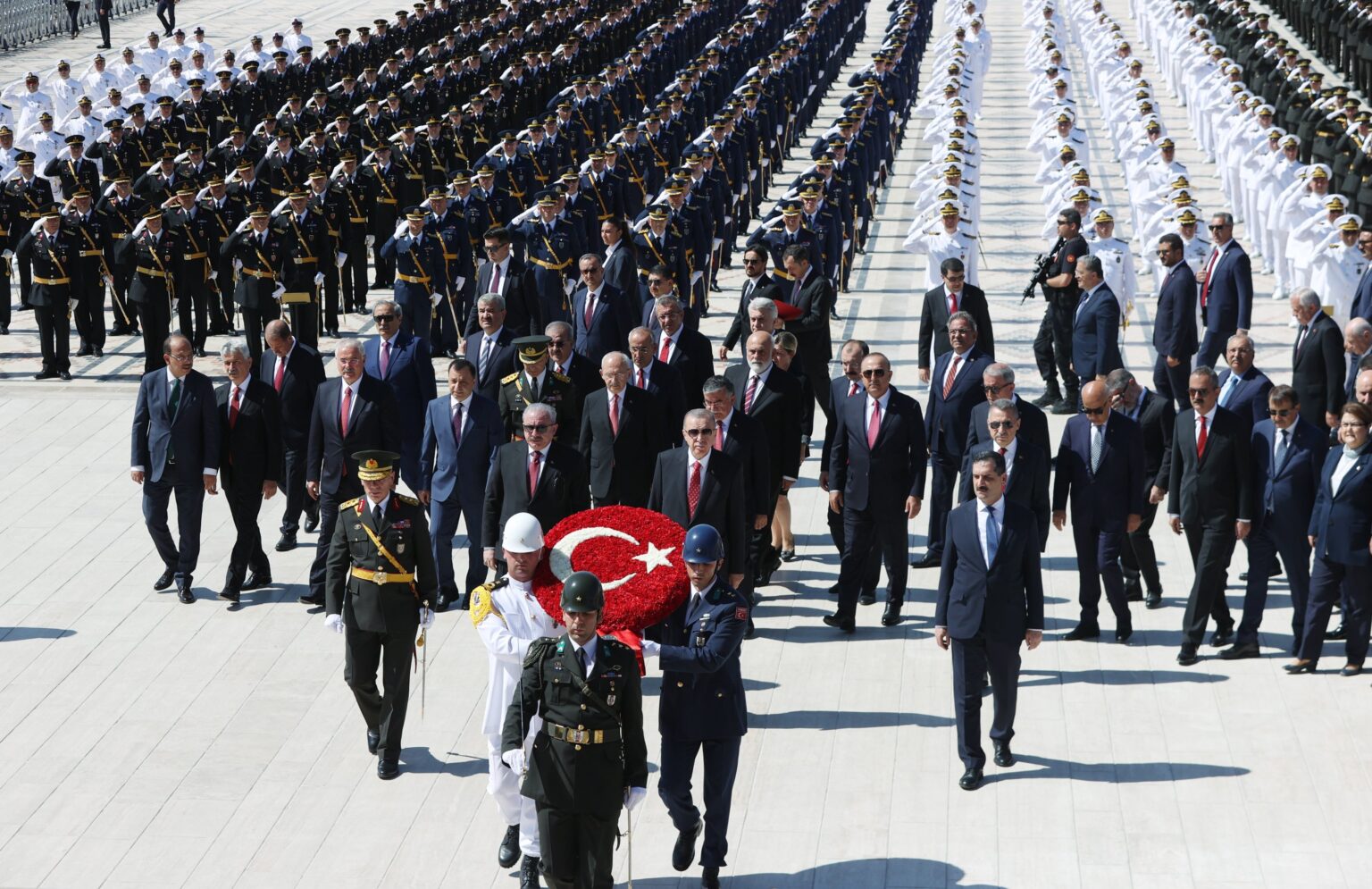
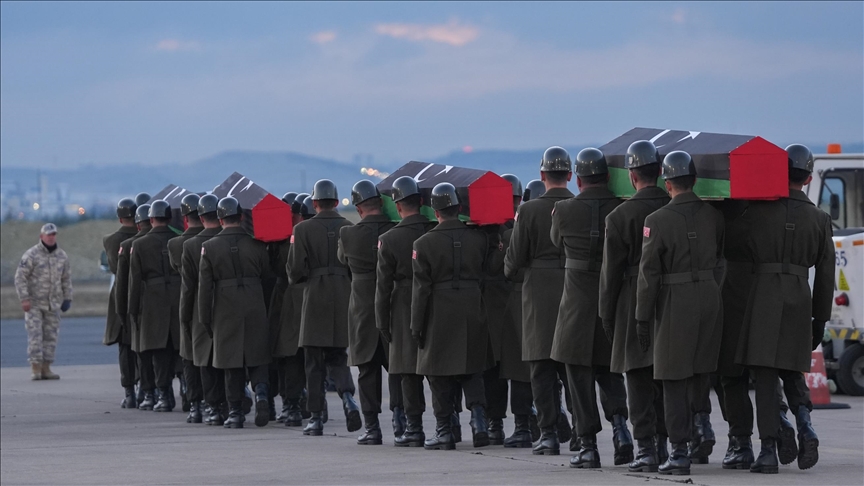
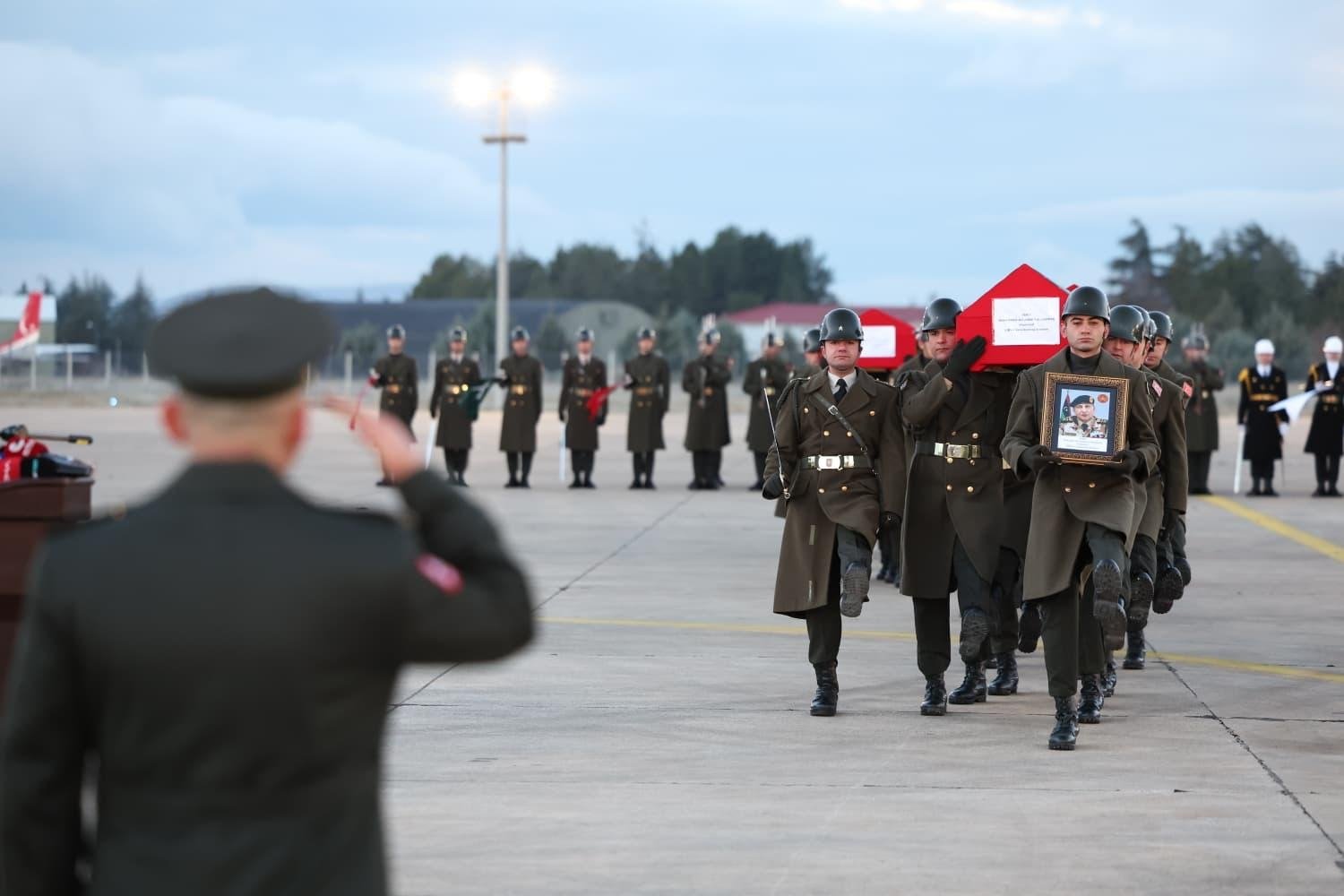
A Turkiye military ceremony was held to honor a Libyan army chief who lost his life in a tragic aircraft crash, marking a moment of solemn remembrance and diplomatic significance. The event brought together senior Turkish military officials, Libyan representatives, and international observers, reflecting the seriousness of the loss and the depth of military cooperation between the two nations. The atmosphere was defined by discipline, respect, and a shared sense of mourning that extended beyond national borders.
The ceremony followed long established military traditions designed to honor leadership, sacrifice, and service. Such formal tributes are typically reserved for figures whose roles carry strategic importance and regional influence. The decision to hold the event underscored the value placed on continuity, alliance stability, and recognition of service at the highest levels of military command.
A Ceremony Marked by Precision and Respect
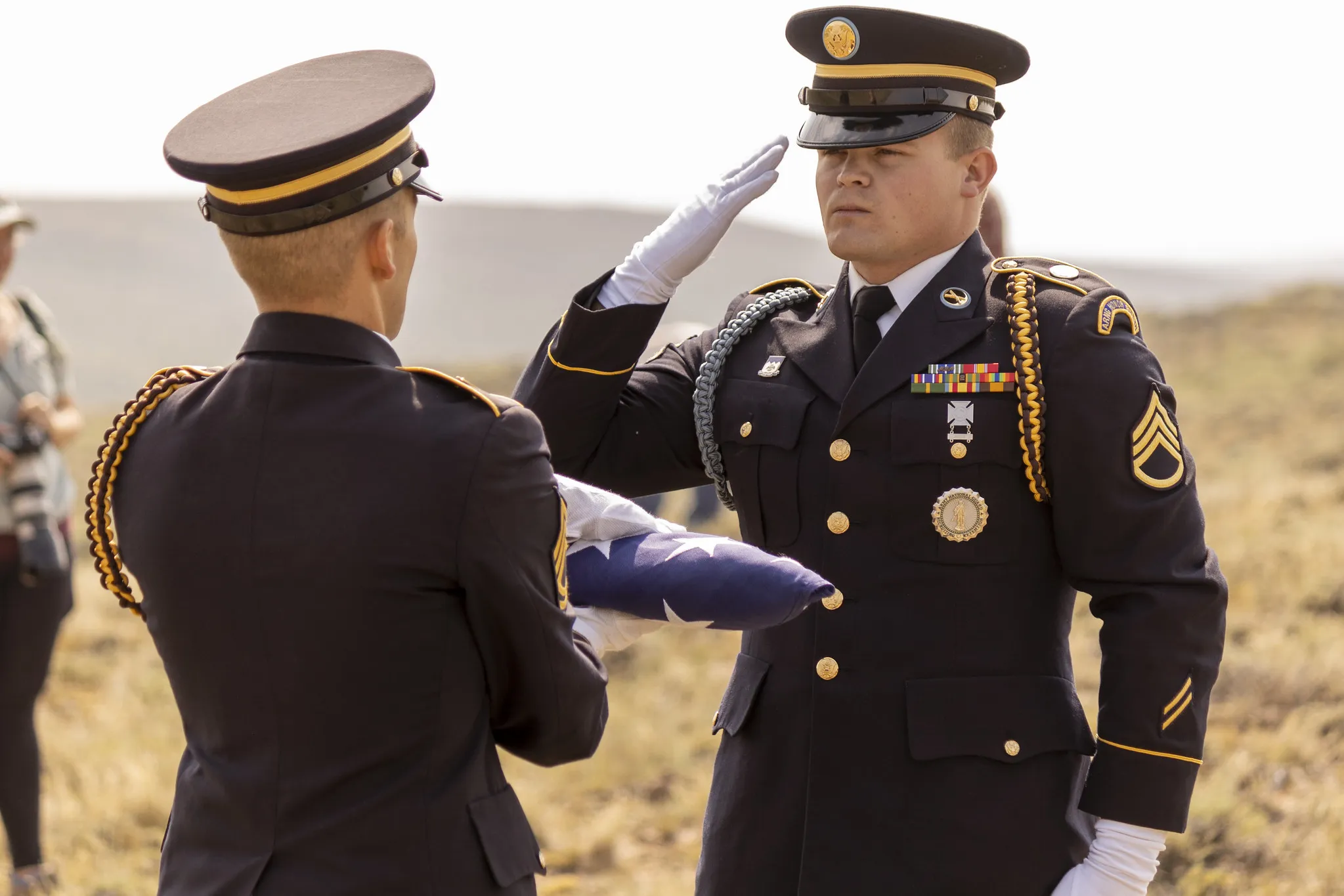
The Turkiye military ceremony unfolded with strict adherence to protocol. Honor guards stood in precise formation as ceremonial commands were delivered with clarity and purpose. Flags were presented with care, and a moment of silence allowed attendees to reflect on the life and service of the fallen leader. Every element of the ceremony emphasized professionalism and institutional discipline.
Military rituals serve as a universal language among armed forces. They communicate respect, unity, and shared values without the need for speeches or declarations. In this case, the ceremony conveyed a message of solidarity during a period of loss and uncertainty.
The Crash That Shook Libya’s Defense Leadership
The Libyan army chief was killed in an aircraft crash that sent shockwaves through Libya’s military and political institutions. His sudden death raised immediate concerns about leadership continuity and operational stability within the armed forces. Senior commanders play a critical role in maintaining cohesion, particularly in environments shaped by ongoing security challenges.
By hosting a Turkiye military ceremony, Ankara acknowledged not only the personal loss but also the broader implications for regional defense coordination. The gesture reflected awareness that leadership transitions can influence security dynamics far beyond national boundaries.
Longstanding Defense Cooperation Between Turkiye and Libya
Turkiye and Libya have maintained close military relations for years, shaped by training programs, advisory support, and strategic coordination. These efforts have contributed to Libya’s defense capabilities and institutional rebuilding during periods of instability. Cooperation has often focused on capacity building, operational planning, and institutional support.
The Turkiye military ceremony served as a visible reaffirmation of this partnership. It signaled that bilateral defense relations remain strong despite unexpected tragedy and leadership change.
Symbolism and Strategic Messaging
Military ceremonies often carry layered meanings. The Turkiye military ceremony symbolized respect for the fallen leader while also communicating alliance continuity to regional and international observers. Such gestures are carefully watched in regions where political and security conditions remain fluid.
Symbolic actions like this help reinforce trust between defense institutions. They demonstrate commitment without the need for formal negotiations or public statements, relying instead on tradition and shared values.
Regional Security Implications
Libya’s strategic position in North Africa and along key Mediterranean routes makes its internal stability a regional concern. The loss of a senior military leader adds complexity to an already sensitive security environment, particularly as armed forces work to maintain cohesion and readiness.
The Turkiye military ceremony highlighted Ankara’s interest in supporting stability and continuity during this transition. Visible support from allies can help mitigate uncertainty and reinforce confidence within military institutions.
Diplomatic Significance of the Tribute
Honoring a foreign military leader with full ceremonial protocol is a rare diplomatic gesture. The Turkiye military ceremony reflected elevated relations between Ankara and Tripoli and demonstrated mutual respect at the institutional level. Diplomatic observers viewed the event as a sign of strong defense alignment.
Such recognition strengthens long term cooperation and reinforces trust between allied nations, particularly during periods of change.
Military Protocol as Institutional Expression
Every detail of the event reflected careful planning and adherence to military standards. From synchronized movements to ceremonial commands, the proceedings emphasized order and professionalism. Military protocol serves not only to honor individuals but also to reinforce institutional identity.
The Turkiye military ceremony showcased how tradition functions as both tribute and reaffirmation of organizational values.
Public Perception and Messaging
Public ceremonies play a powerful role in shaping how events are perceived both at home and abroad. For many observers, the Turkiye military ceremony served as a visible demonstration of stability, discipline, and institutional continuity at a time when uncertainty surrounds regional security dynamics. The presence of uniformed leadership, formal protocol, and coordinated military honors reinforced the message that established defense structures remain intact and functional despite the loss of senior leadership.
Beyond symbolism, visible cooperation between allied militaries sends a reassuring signal to governments, defense partners, and the public. It suggests that coordination, communication, and shared commitments continue without disruption. In regions where security conditions can shift rapidly, such demonstrations help calm concerns, reduce speculation, and reinforce confidence in collective defense arrangements. By presenting unity and order through ceremony, military institutions help shape expectations, project reliability, and strengthen trust in their ability to manage periods of transition responsibly.
Leadership Transition and Libya’s Path Forward
Libya now faces the challenge of appointing new leadership capable of maintaining unity and operational effectiveness. Leadership transitions within armed forces require careful management to avoid disruption and preserve command integrity.
The Turkiye military ceremony honored past service while implicitly supporting Libya’s efforts to move forward with international backing and cooperation.
Military Diplomacy in Practice
Military diplomacy often operates through actions rather than words. The Turkiye military ceremony served as a clear demonstration of alliance strength and mutual respect. Such gestures help sustain cooperation in training, intelligence sharing, and long term security planning.
They also reinforce personal relationships between military leaders, which can prove critical during times of crisis.
Historical Role of Military Honors
Throughout history, military honors have been used to recognize service and leadership across national lines. The Turkiye military ceremony fits within this broader tradition, emphasizing shared values of duty, honor, and discipline.
These rituals remind observers that military service is grounded in principles that transcend borders and politics.
The Turkiye military ceremony honoring the Libyan army chief killed in a crash represented more than a formal tribute. It reflected respect, strategic alignment, and a reaffirmation of defense cooperation at a critical moment. As Libya navigates a sensitive period of transition, such gestures underscore the importance of unity, tradition, and international collaboration in maintaining regional stability.