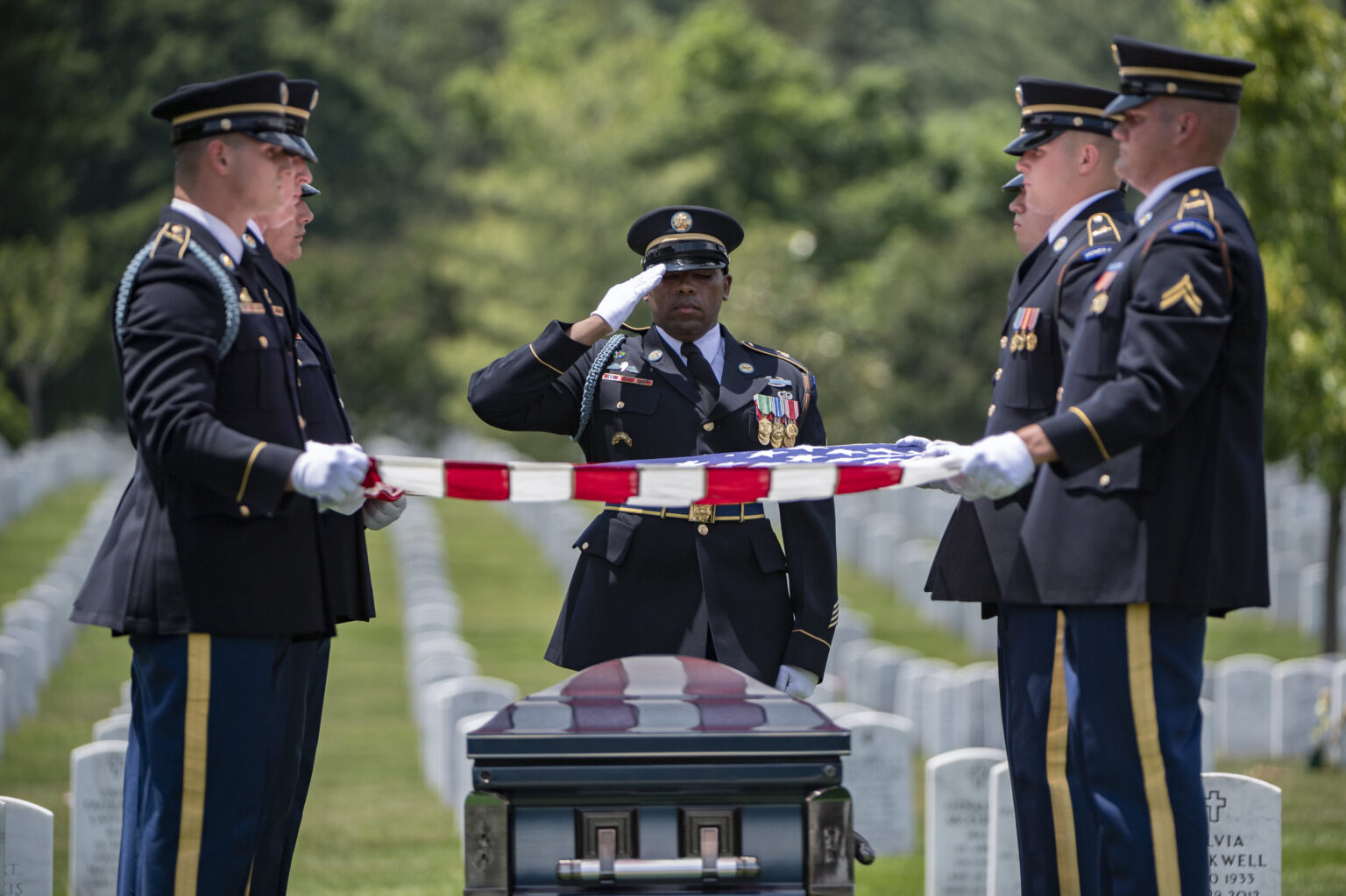
A solemn military ceremony held in Turkiye drew international attention as officials honored a Libyan army chief who lost his life in a tragic crash. The event was deeply symbolic, reflecting respect for military service while also highlighting the evolving nature of Turkiye Libya relations. Senior officials, uniformed officers, and diplomatic representatives gathered to pay tribute, sending a message that extended far beyond the ceremony itself.
Such moments often carry layered meaning. They commemorate loss while reinforcing alliances, reminding observers that military traditions can serve as instruments of diplomacy during times of grief and uncertainty.
A Ceremony Marked by Respect
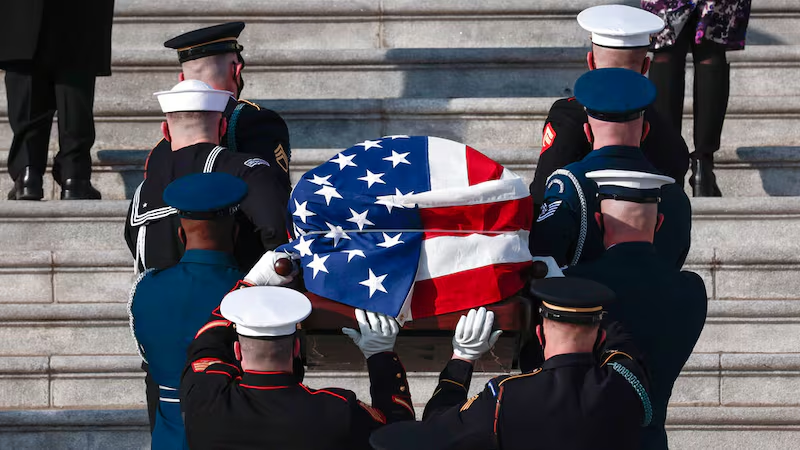
The ceremony followed established military customs, with an honor guard, ceremonial salutes, and moments of silence. Flags were displayed with care, and the atmosphere remained solemn throughout. Every detail reflected discipline and reverence.
In events like this, Turkiye Libya relations are not expressed through statements alone but through visible gestures of honor and protocol. Observers noted that the precision of the ceremony underscored the seriousness with which the occasion was treated.
Profile of the Libyan Army Chief
The Libyan army chief was widely regarded as an influential figure within Libya’s military leadership. His work focused on coordination, security planning, and maintaining stability during challenging periods. His sudden death resonated deeply within Libyan military circles.
By choosing to honor him publicly, Turkiye Libya relations were emphasized as extending beyond political agreements into personal and institutional respect for service and sacrifice.
Circumstances of the Fatal Crash
Officials confirmed that the army chief died in an aviation accident. Investigations into the cause are ongoing, with authorities stressing that no immediate evidence suggested malicious intent. The tragedy was described as a profound loss for Libya’s defense establishment.
The response demonstrated how Turkiye Libya relations include shared mourning and solidarity during moments of unexpected loss.
Participation of Turkish Leadership
Senior Turkish military commanders and defense officials attended the ceremony, lending it official weight. Their presence reflected state level recognition and underscored the importance of the relationship between the two nations.
When high level officials gather in this context, Turkiye Libya relations are reinforced through visible commitment and mutual acknowledgment.
Libyan Delegation and Response
Libyan representatives expressed gratitude for the ceremony, describing it as a meaningful act of friendship. They emphasized that such recognition during a time of grief strengthened trust and understanding.
For Libyan officials, the ceremony reaffirmed Turkiye Libya relations as grounded in shared respect rather than convenience alone.
Military Tradition as Diplomatic Language
Military ceremonies speak a universal language. Honor guards, salutes, and formal rituals convey values that transcend borders. These traditions allow nations to communicate respect without words.
Through this ceremony, Turkiye Libya relations were articulated in a way that resonated culturally and institutionally with both sides.
Strategic Context in the Region
The event took place against a backdrop of shifting alliances in the Mediterranean and North Africa. Turkiye has positioned itself as an influential regional actor, while Libya remains a key partner in security and political cooperation.
Within this environment, Turkiye Libya relations play a strategic role in shaping regional balance and dialogue.
Defense Cooperation Background
Defense cooperation has been central to engagement between the two countries. Training initiatives, advisory roles, and coordination on security matters have defined recent collaboration.
The ceremony served as a reminder that Turkiye Libya relations are sustained not only through agreements but through continued engagement and mutual recognition.
Media and Public Reaction
Regional media outlets widely covered the ceremony, highlighting both its emotional and diplomatic dimensions. Images of the event circulated broadly, prompting discussion about regional alliances and military diplomacy.
Public conversation surrounding Turkiye Libya relations focused on how symbolic acts can reinforce broader political and defense cooperation.
International Military Honors in Context
Honoring foreign military leaders is a practice rooted in longstanding tradition. Such gestures acknowledge shared values and strategic partnerships while respecting national sovereignty.
In this case, Turkiye Libya relations were underscored through a gesture that resonated internationally as an expression of solidarity.
Security and Protocol Measures
Security was carefully managed throughout the ceremony, with coordinated efforts to ensure safety and order. Protocol officers oversaw proceedings to maintain dignity and adherence to tradition.
These measures reflected how Turkiye Libya relations are handled with seriousness and institutional care.
Analyst Perspectives
Defense analysts noted that ceremonies of this nature often serve dual purposes. They honor the deceased while also signaling continuity and stability in partnerships.
Many observers viewed the event as a moment when Turkiye Libya relations were reinforced through both symbolism and strategic messaging.
Cultural Importance of Military Honors
In both Turkish and Libyan societies, military honors hold deep cultural meaning. They symbolize loyalty, service, and sacrifice. Recognizing these values fosters mutual respect.
By hosting the ceremony, Turkiye Libya relations were strengthened through shared cultural appreciation of military service.
Long Term Diplomatic Implications
Symbolic gestures can influence future cooperation. Trust built through respect often carries into diplomatic and defense planning.
Analysts suggest that Turkiye Libya relations may continue to deepen through similar acts of recognition and engagement.
Reflection on Shared Responsibility
Beyond ceremony, the event prompted reflection on shared responsibility for regional stability. Cooperation in defense and diplomacy remains critical amid ongoing challenges.
Through this lens, Turkiye Libya relations represent not only bilateral ties but also a commitment to broader regional dialogue.
The military ceremony held in Turkiye for the Libyan army chief was more than a formal tribute. It highlighted the depth and complexity of a partnership shaped by respect, cooperation, and shared values.
As Turkiye Libya relations continue to evolve, moments like this demonstrate how diplomacy is often expressed through tradition, honor, and solidarity rather than words alone.
Historical Foundations of Bilateral Engagement
The relationship between Turkiye and Libya did not emerge suddenly. It developed over years through shifting political realities, shared regional interests, and evolving security concerns. Historical ties, trade links, and cultural familiarity created a foundation that later expanded into diplomatic and military cooperation. These early connections helped establish trust during periods of instability and transition.
As regional dynamics changed, both nations found value in maintaining open communication and coordination. This continuity allowed engagement to persist even when circumstances became complex or unpredictable.
Symbolism of Respect During Times of Loss
Military ceremonies hold particular importance during moments of tragedy. They provide structure, dignity, and collective acknowledgment of sacrifice. When such honors are extended across borders, they gain additional meaning as gestures of solidarity rather than obligation.
For many observers, the ceremony represented a moment where respect outweighed politics. It showed how professional military traditions can offer a shared language of honor that resonates across cultures.
Impact on Defense Institutions
Events of this nature also affect defense institutions internally. Officers and personnel observe how leadership responds to loss and how alliances are acknowledged. Such actions reinforce values like loyalty, professionalism, and mutual respect.
Within military ranks, gestures of recognition can strengthen morale and reaffirm commitment to cooperation. They remind personnel that service and sacrifice are recognized beyond national boundaries.
Role of Ceremonial Diplomacy
Ceremonial diplomacy often operates quietly, yet its effects can be long lasting. Unlike formal treaties or public declarations, symbolic acts influence perception, trust, and goodwill over time. They help maintain dialogue even when political negotiations face challenges.
In this context, the ceremony functioned as a stabilizing signal, demonstrating continuity and reassurance at a moment when uncertainty could easily dominate narratives.